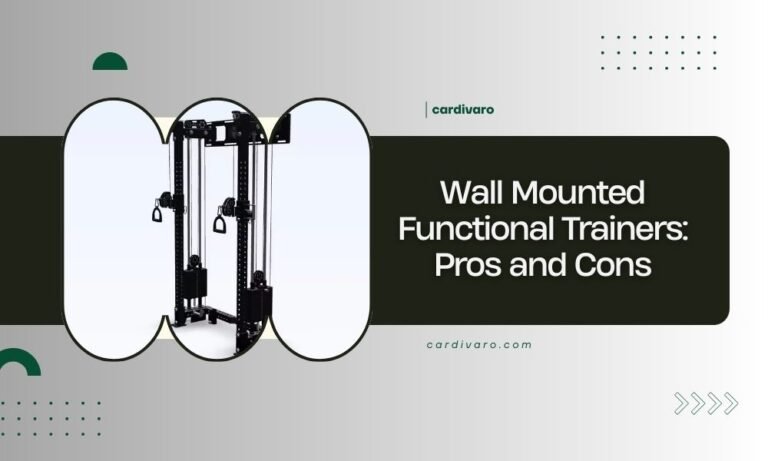
The best functional trainer abs workout combines cable crunches, wood chops, and Pallof presses to build a strong six-pack using adjustable resistance.
You can get defined abs with just 15-20 minutes on your functional trainer, three times per week, using these proven core exercises.
Why Functional Trainers Beat Regular Ab Equipment
Your functional trainer offers something crunches on the floor can’t match. Constant tension throughout every movement.
I found that cable-based ab exercises keep your muscles working harder. The resistance doesn’t disappear at the top or bottom like with bodyweight moves.
Plus, you control the weight. Start light and add resistance as you get stronger. No need to buy heavier dumbbells or different machines.
What Makes Cable Ab Training Special
The cables create 360-degree resistance. Your core works to stabilize your body while fighting the pull from multiple angles.
Research shows that unstable resistance training activates more muscle fibers than stable movements (NCBI). Your functional trainer puts this science to work.
The Complete Functional Trainer Abs Workout
This workout hits all areas of your core. Do it three times per week with at least one rest day between sessions.
Each exercise targets different muscle groups. You’ll work your upper abs, lower abs, obliques, and deep core muscles.
Warm-Up Routine
Never skip your warm-up. Cold muscles get injured easier.
- Arm circles: 10 forward, 10 backward
- Torso twists: 10 each side
- Light cable pulls: 15 reps with minimal weight
- Standing marches: 20 total
Exercise 1: Cable Crunches
Cable crunches destroy your upper abs. They’re like regular crunches but with constant resistance.
Setup and Form
Set the cable at the highest position. Attach a rope handle. Kneel facing away from the machine.
Grab the rope with both hands. Pull it down so your hands are by your ears. This is your starting position.
Movement Execution
Crunch down by bringing your elbows toward your knees. Keep your hips still. Only your spine should flex.
Squeeze your abs hard at the bottom. Slowly return to the start position. Don’t let the weight stack touch between reps.
Sets and Reps
Beginners: 3 sets of 12-15 reps
Intermediate: 3 sets of 15-20 reps
Advanced: 4 sets of 20-25 reps
Exercise 2: Standing Wood Chops
Wood chops hit your obliques harder than side bends ever could. They also work your entire core as one unit.
High-to-Low Wood Chops
Set the cable at the highest position. Use a single handle. Stand sideways to the machine.
Grab the handle with both hands. Your arms should be extended above your opposite shoulder.
The Movement
Pull the handle down and across your body. End with your hands by your opposite hip. Your core does all the work.
Keep your arms straight. Let your torso rotate naturally. Return slowly to the start.
Low-to-High Wood Chops
Same setup but with the cable at the lowest position. Start with hands by your hip. End with arms extended above your opposite shoulder.
Do both directions. Your obliques need balanced training on both sides.
Programming Wood Chops
3 sets of 12 reps each direction
Rest 30 seconds between directions
Rest 60 seconds between sets
Exercise 3: Pallof Presses
I came across Pallof presses when researching anti-rotation exercises. They’re amazing for core stability.
Your abs fight to keep your body straight while the cable tries to rotate you. It’s like a plank but more challenging.
Standard Pallof Press Setup
Set the cable at chest height. Use a single handle. Stand sideways about two feet from the machine.
Hold the handle with both hands at your chest. Your feet should be shoulder-width apart.
The Press Movement
Press the handle straight out from your chest. Hold for 2 seconds. The cable will try to rotate your body.
Fight that rotation with your core. Your shoulders should stay square. Pull back to your chest.
Half-Kneeling Variation
Kneel on the knee closest to the machine. This makes the exercise harder by reducing your base of support.
Your core works overtime to keep you stable. Perfect for building real-world strength.
Pallof Press Programming
| Level | Sets | Reps Each Side | Hold Time |
|---|---|---|---|
| Beginner | 2 | 8-10 | 2 seconds |
| Intermediate | 3 | 10-12 | 3 seconds |
| Advanced | 3 | 12-15 | 4 seconds |
Exercise 4: Cable Bicycle Crunches
Regular bicycle crunches are good. Cable bicycle crunches are better. The added resistance makes every rep count more.
Setup for Cable Bicycles
Attach ankle straps to both low cable positions. Lie on your back between the machines.
Strap your feet into the cables. There should be light tension even at the start position.
The Bicycle Movement
Bring one knee toward your chest while extending the other leg. Crunch up and twist toward the bent knee.
The cables add resistance to both the leg movement and the crunch. Your abs work double-duty.
Alternate sides in a smooth rhythm. Don’t rush through the reps.
Exercise 5: Standing Cable Knee Raises
Your lower abs need special attention. Standing cable knee raises target them directly.
Equipment Setup
Use ankle straps connected to the low cable position. Stand facing away from the machine.
The cable should have tension when your leg is in the natural standing position.
Knee Raise Technique
Lift one knee toward your chest against the cable resistance. Keep your back straight.
Hold the top position for one second. Lower slowly. The negative part of the movement builds strength too.
Complete all reps on one leg before switching sides.
Advanced Variations and Progressions
Been doing these exercises for a few weeks? Time to level up your training.
Tempo Changes
Slow down your reps. Take 3 seconds to lower the weight. This increases time under tension.
Your muscles work harder for longer. Studies show that slower tempos can increase muscle growth (Journal of Strength and Conditioning Research).
Combination Movements
Mix two exercises together. Try wood chops with a squat. Or Pallof presses with alternating lunges.
These combinations work your core while challenging your balance and coordination.
Super Sets
Do two exercises back-to-back with no rest. Cable crunches followed immediately by Pallof presses.
Rest only after completing both exercises. This saves time and increases intensity.
Common Mistakes to Avoid
I found online that most people make the same errors when starting cable ab training.
Using Too Much Weight
Your ego wants heavy weight. Your abs need proper form. Start light and focus on feeling the right muscles work.
If you can’t control the weight slowly, it’s too heavy. Drop the resistance and master the movement first.
Rushing Through Reps
Fast reps use momentum instead of muscle strength. Slow down and make every rep count.
Think quality over quantity. 10 perfect reps beat 20 sloppy ones.
Ignoring the Negative
The return portion of each exercise matters. Don’t let the weight pull you back quickly.
Control the negative. Your muscles grow during this phase too.
Weekly Programming and Recovery
How often should you train abs? Three times per week works best for most people.
Your abs are muscles like any others. They need rest to recover and grow stronger.
Sample Weekly Schedule
- Monday: Full ab workout
- Tuesday: Rest or light cardio
- Wednesday: Full ab workout
- Thursday: Rest or upper body training
- Friday: Full ab workout
- Weekend: Rest or light activity
Signs You Need More Recovery
Your abs feel constantly sore. Your form is getting worse instead of better. You’re losing motivation to train.
These are signs of overtraining. Take an extra rest day and come back stronger.
Nutrition Tips for Visible Abs
You can’t out-train a bad diet. Abs are made in the kitchen as much as the gym.
I researched what nutritionists recommend for fat loss. The answer isn’t complicated. Eat fewer calories than you burn.
Foods That Help
- Lean proteins: chicken, fish, eggs, beans
- Fibrous vegetables: broccoli, spinach, peppers
- Complex carbs: oats, quinoa, sweet potatoes
- Healthy fats: avocados, nuts, olive oil
Foods to Limit
Processed foods high in sugar and refined carbs make fat loss harder. They spike your blood sugar and increase cravings.
You don’t need to eliminate them completely. Just make them occasional treats instead of daily staples.
Tracking Your Progress
How do you know if your functional trainer abs workout is working? Track the right metrics.
Performance Metrics
Count your reps and sets. Notice when exercises feel easier. Track when you can increase the weight.
These performance improvements show your abs are getting stronger.
Visual Progress
Take photos every two weeks. Same lighting, same poses, same time of day. Progress photos don’t lie.
The scale might not change much. Muscle weighs more than fat. Photos show the real changes.
How Long Until You See Results
Most people notice strength improvements within two weeks. Visual changes take 4-8 weeks with consistent training and nutrition.
Everyone progresses differently. Genetics, starting fitness level, and diet all play roles. Stay patient and consistent.
Conclusion
Your functional trainer gives you everything you need for amazing abs. Cable crunches, wood chops, Pallof presses, and knee raises work every angle of your core. The constant tension and adjustable resistance make every rep more effective than bodyweight exercises. Train three times per week, focus on perfect form, and combine your workouts with smart nutrition choices. Your six-pack is closer than you think. Start with lighter weights, master the movements, and gradually increase the challenge. Consistency beats intensity every time. Your functional trainer abs workout journey begins with your very next session.
How long should each functional trainer abs workout take?
Plan for 15-20 minutes per session including warm-up. This gives you enough time to complete all exercises with proper rest periods between sets without rushing through movements.
Can beginners safely do all these cable ab exercises?
Yes, beginners can do these exercises by starting with very light resistance and focusing on form. Master bodyweight versions first if you’re completely new to core training, then add cable resistance gradually.
What weight should I start with for cable ab exercises?
Start with 10-20 pounds for most cable ab exercises. The weight should challenge you in the last few reps while maintaining perfect form throughout the entire set.
Is it normal to feel sore in my back after cable ab workouts?
Mild lower back engagement is normal since your core works as one unit. Sharp pain or persistent soreness indicates poor form or too much weight too soon. Reduce resistance and check your technique.
Can I do this abs workout every day for faster results?
No, your abs need 24-48 hours recovery between intense sessions just like other muscles. Daily training leads to overuse injuries and actually slows progress. Stick to three sessions per week maximum.