The functional trainer cable crunch targets your abs by pulling a cable attachment from high to low while kneeling or standing. You squeeze your core muscles to bring your elbows toward your knees in a controlled crunching motion.
Perfect form requires keeping your hips stable, moving only your torso, and focusing on slow controlled movement rather than using momentum or heavy weight.
What Makes Cable Crunches So Effective
Cable crunches give you constant tension throughout the entire movement. Unlike regular floor crunches, the cable keeps pulling against your muscles even at the top position.
This constant resistance means your abs work harder for longer. You get better muscle activation and faster strength gains.
Why Functional Trainers Are Perfect for This Exercise
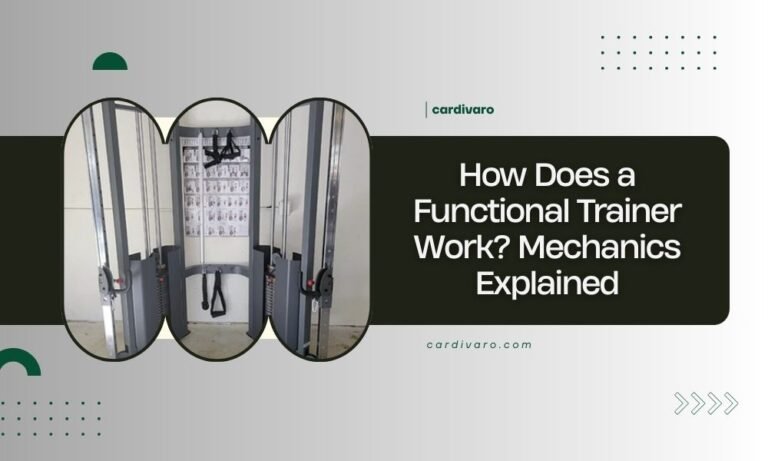
Functional trainer machines let you adjust the cable height easily. You can fine-tune the angle to hit your abs from different directions.
The dual cable system also means smoother movement. You won’t deal with jerky motions that throw off your form.
Step-by-Step Perfect Form Guide
Equipment Setup
Set the cable at the highest position on your functional trainer. Attach a rope handle or straight bar – rope handles work better for most people.
Start with light weight. You want to feel resistance but still control every inch of the movement.
Proper Starting Position
Kneel about 2 feet in front of the machine. Grab the rope with both hands and hold it behind your head.
Your thighs should be vertical. Keep your hips pushed forward slightly.
The Movement Pattern
Pull your elbows down toward your knees. Think about bringing your ribcage toward your pelvis.
Your head and arms just go along for the ride. Your abs do all the real work.
What Perfect Form Looks Like
Your hips stay locked in place. Only your torso moves during the crunch.
The movement should feel smooth and controlled. No jerking or bouncing at any point.
Common Form Mistakes to Avoid
Don’t pull with your arms and shoulders. This turns it into a lat pulldown instead of an ab exercise.
Don’t rock your hips back and forth. This takes tension off your core muscles.
Avoid using too much weight too soon. Heavy weight usually leads to bad form and less ab activation.
Breathing Technique That Works
Exhale as you crunch down. This helps activate your deep core muscles automatically.
Inhale as you return to the starting position. Keep the movement slow and controlled on both parts.
Why Breathing Matters More Than You Think
Proper breathing increases intra-abdominal pressure. This makes your core muscles work together better.
I found research showing that coordinated breathing can increase core activation by up to 25% during exercises like this.
Sets, Reps, and Progression
Beginner Guidelines
Start with 2-3 sets of 12-15 reps. Focus entirely on learning the movement pattern.
Use very light weight at first. You should feel your abs working but not straining.
Intermediate Progression
Move up to 3-4 sets of 15-20 reps. You can add more weight once your form stays perfect.
Try pausing for 2 seconds at the bottom of each crunch. This makes your abs work even harder.
Advanced Variations
Add single-arm cable crunches to challenge your stability. Do all reps on one side, then switch.
You can also try standing cable crunches once you master the kneeling version.
Benefits You’ll Actually Notice
Stronger Core Stability
Cable crunches train your abs to resist extension forces. This carries over to better posture and less back pain.
Many experts say anti-extension exercises like this are more functional than traditional crunches (American Council on Exercise).
Better Mind-Muscle Connection
The constant cable tension helps you feel your abs working throughout each rep. You develop better body awareness over time.
Practical Strength Gains
Your core gets stronger in a way that helps with other exercises. Squats, deadlifts, and overhead presses all improve.
| Exercise Phase | Primary Muscles | Secondary Muscles |
|---|---|---|
| Crunch Down | Rectus Abdominis | Obliques, Transverse Abdominis |
| Return Up | Rectus Abdominis | Hip Flexors, Deep Core |
Troubleshooting Common Problems
Not Feeling It in Your Abs
Lower the weight and slow down the movement. You might be using momentum instead of muscle control.
Try pre-activating your abs by pulling your belly button toward your spine before each rep.
Neck or Shoulder Pain
Keep your arms relaxed. The rope should rest lightly in your hands, not pull on your neck.
If pain continues, try a different handle attachment or adjust your grip position.
Lower Back Discomfort
Check your hip position. Keep your hips pushed slightly forward throughout the movement.
This exercise should make your abs tired, not your back. If your back hurts, your form needs work.
When to Add Cable Crunches to Your Routine
Do these after your main exercises but before isolation work. Your core needs to be fresh for proper form.
2-3 times per week works well for most people. Your abs need recovery time just like other muscles.
Perfect Exercise Combinations
Pair cable crunches with planks or dead bugs. This gives you both dynamic and static core training.
You can also combine them with rotational exercises like wood chops for complete core development.
Conclusion
Functional trainer cable crunches give you one of the best ways to build real core strength. The key is perfect form with controlled movement and proper breathing. Start light, focus on feeling your abs work, and progress slowly. Your core will get stronger in ways that help with everything else you do in the gym and daily life.
Can I do cable crunches every day?
No, your abs need 48 hours to recover between intense workouts. Stick to 2-3 times per week for best results and injury prevention.
What weight should beginners start with?
Start with 10-20 pounds or whatever allows perfect form for 12-15 reps. You can always add weight once your technique is solid.
Is the rope handle better than a straight bar?
Most people find rope handles more comfortable and natural feeling. The rope lets your hands move independently and reduces wrist strain.
How do I know if I’m using too much weight?
If you can’t control the return portion of the movement or your hips start moving, the weight is too heavy. Drop it down and focus on form.
Can cable crunches replace regular floor crunches?
Yes, cable crunches provide better constant tension and are generally more effective than floor crunches for building core strength and stability.