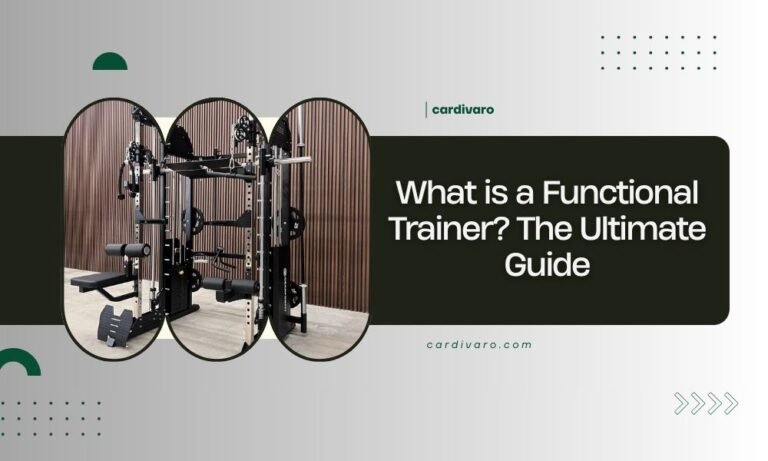
The best functional trainer exercises for golfers include cable woodchops, rotational pulls, anti-rotation planks, and single-arm rows that mirror golf swing mechanics.
These functional trainer movements help golfers build core stability, rotational power, and muscular endurance needed for consistent, powerful swings on the course.
Why Functional Trainers Are Perfect for Golf Training
Your golf swing demands coordination between multiple muscle groups. A functional trainer lets you work these muscles together, just like they work during your actual swing.
Unlike traditional weight machines that isolate single muscles, functional trainers use cables and pulleys. This setup mimics the flowing, multi-directional movements you make on the golf course.
Key Benefits for Your Golf Game
I found that golfers who train with functional equipment often see faster improvements than those using only traditional weights. The cable system provides variable resistance throughout your entire range of motion.
Here’s what functional training does for your golf performance:
- Builds rotational power through your core and hips
- Improves balance and stability during your swing
- Strengthens the kinetic chain from feet to fingertips
- Reduces injury risk by training movement patterns
Essential Lower Body Exercises
Your power starts from the ground up. These lower body movements will help you generate more clubhead speed and maintain better balance.
Cable Lateral Lunges
Attach a low cable to one handle. Hold it at chest level and step sideways into a lunge. This exercise builds the lateral stability you need during your backswing and follow-through.
Start with 12-15 reps per side. Focus on controlling the movement both ways – stepping out and returning to center.
Why This Matters for Golf
Your golf stance requires you to maintain balance while rotating. Lateral lunges train your legs to stay stable while your upper body moves.
Single-Leg Romanian Deadlifts with Cable
Stand on one foot while holding a low cable. Hinge at your hip and reach forward, keeping your back straight. This builds the hip stability that’s essential for consistent ball striking.
Many golf instructors recommend this exercise because it trains the same hip hinge pattern you use in your golf setup and swing.
Setup Tips
Keep your supporting knee slightly bent. Think about pushing your hip back rather than just leaning forward. This protects your lower back while building strength.
Core Rotational Power Exercises
Your core connects your upper and lower body during the golf swing. These exercises will help you transfer power more effectively from your legs to your arms.
Cable Woodchops
This is the gold standard exercise for golfers. Set the cable at shoulder height and pull it diagonally across your body, rotating through your core.
Research from the Titleist Performance Institute shows that golfers with stronger rotational patterns tend to have more consistent swings and fewer back injuries.
High-to-Low Woodchops
Start with the cable above your head and chop down across your body. This mimics your downswing motion and builds the power you need for distance.
Low-to-High Woodchops
Begin with the cable near the floor and pull up and across. This movement pattern helps with your follow-through and builds balanced core strength.
Anti-Rotation Hold
Hold a cable at chest level with the weight trying to pull you sideways. Your job is to resist that rotation and stay square. This builds the stability you need to maintain your spine angle during the swing.
Start with 30-second holds and work up to 60 seconds per side.
Upper Body Golf-Specific Movements
Your arms, shoulders, and upper back need to work together smoothly during your swing. These exercises train that coordination.
Single-Arm Cable Rows
Stand in a golf stance and row with one arm while the other arm extends forward. This teaches your body to create stability on one side while generating force on the other.
From what I read in golf fitness research, this exercise closely matches the muscle activation patterns during the golf swing.
Staggered Stance Variation
Try this exercise with one foot slightly forward. This adds a balance challenge that makes your core work harder to maintain stability.
Cable Face Pulls with External Rotation
Pull the cable to your face, then rotate your hands outward. This exercise strengthens your rear deltoids and external rotators – muscles that are often weak in golfers.
Many golf professionals develop shoulder problems from overuse. This exercise helps prevent those issues by balancing the muscles around your shoulder joint.
Dynamic Movement Patterns
These exercises combine multiple movement planes, just like your golf swing does.
Cable Step and Swing
Hold a high cable with both hands. Step forward and pull the cable down and across your body, simulating your downswing motion.
This exercise trains the timing and coordination between your lower body step and upper body rotation.
Tempo Training Benefits
You can control the speed of this movement to match your actual swing tempo. Slow, controlled reps build strength. Faster reps develop power and timing.
Rotational Lunge with Cable Pull
Lunge backward and to the side while pulling a cable across your body. This complex movement trains multiple muscle groups working together.
Start with lighter weights and focus on smooth, controlled movements. Speed and power come after you master the pattern.
Sample Workout Structure
Here’s how to put these exercises together into an effective golf training session:
| Exercise Type | Sets | Reps/Time | Rest |
|---|---|---|---|
| Dynamic Warm-up | 1 | 5-10 min | None |
| Power Movements | 3-4 | 6-8 reps | 2-3 min |
| Strength Exercises | 3 | 10-12 reps | 90 sec |
| Stability/Endurance | 2-3 | 30-60 sec | 60 sec |
Weekly Training Schedule
Train 2-3 times per week during your off-season. During golf season, reduce to 1-2 sessions to maintain your gains without adding fatigue.
Listen to your body. If you’re playing golf frequently, your training should support your game, not compete with it.
Common Mistakes to Avoid
Going Too Heavy Too Soon
Functional training is about movement quality first. Master the patterns with lighter weights before adding resistance.
Ignoring Your Weak Side
Most golfers have strength imbalances. Spend extra time training your weaker side to prevent injuries and improve overall performance.
Balance Assessment
Try each exercise on both sides. If one side feels much weaker or less coordinated, that’s your starting point for improvement.
Conclusion
Functional trainer exercises give golfers a huge advantage over traditional gym workouts. By training movement patterns that match your golf swing, you build strength, power, and stability in ways that directly transfer to better performance on the course.
Start with the basic exercises and focus on quality movement. As you get stronger and more coordinated, you can add complexity and resistance. Your golf game will thank you for the investment in proper functional training.
What’s the best functional trainer exercise for golf swing power?
Cable woodchops are the most effective single exercise for building rotational power. They train the exact movement pattern and muscle activation sequence used in your golf downswing.
How often should golfers use functional trainers?
Train 2-3 times per week in the off-season and 1-2 times per week during golf season. This maintains strength gains without creating fatigue that interferes with your golf performance.
Can functional trainer exercises help prevent golf injuries?
Yes, functional exercises build balanced strength and improve movement patterns, which reduces injury risk. They’re particularly effective for preventing lower back pain and shoulder problems common in golfers.
What weight should beginners start with on functional trainers?
Start with 10-20 pounds and focus on movement quality rather than weight. You should be able to complete all reps with perfect form and control throughout the entire range of motion.
Do functional trainer exercises actually improve golf scores?
Studies show that golfers who follow structured functional training programs often see improvements in driving distance and consistency. The key is training movements that match golf swing mechanics rather than isolated muscle exercises.