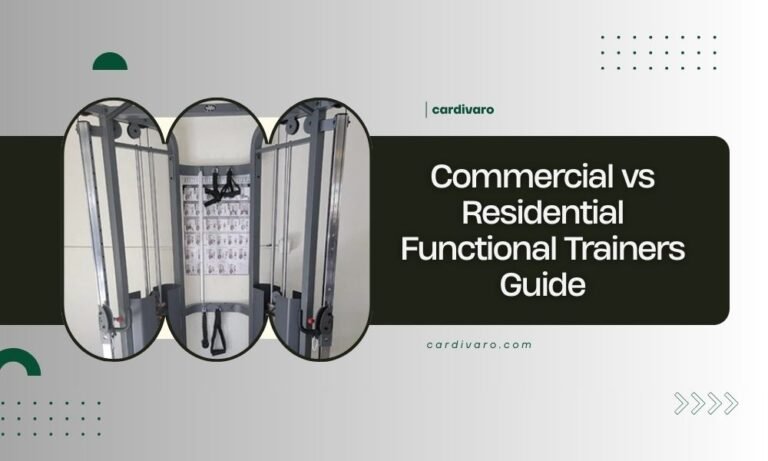
Basketball training with a functional trainer machine builds sport-specific strength, agility, and power through cable-based resistance exercises that mirror basketball movements.
You can improve shooting accuracy, defensive positioning, and jumping ability by using adjustable cables that train multiple muscle groups simultaneously.
What Makes Functional Trainers Perfect for Basketball
Basketball demands quick direction changes, explosive jumps, and core stability. Traditional gym equipment often isolates single muscles. That’s where functional trainers shine.
These machines use cable systems with adjustable height positions. You can train from low, middle, or high anchor points. This flexibility lets you copy real basketball moves while adding resistance.
I researched how professional basketball trainers work with athletes. Many experts say functional trainers offer the best sport-specific training benefits outside of court practice.
Key Movement Patterns in Basketball
Basketball players need these core movement patterns:
- Rotational power for shooting and passing
- Single-leg stability for cuts and pivots
- Vertical jumping and landing mechanics
- Multi-directional shuffling and backpedaling
- Upper body strength for rebounds and defense
Your functional trainer can address every pattern. The cables move in natural arcs that match how your body works during games.
Essential Basketball Exercises on Functional Trainers
Shooting Power Development
Strong shooting starts with your legs and core. Your functional trainer builds this foundation perfectly.
Cable Squat to Press
Set cables at chest height. Hold both handles at your shoulders. Squat down, then explode up while pressing handles overhead. This copies the shooting motion with added resistance.
Start with light weight. Focus on smooth, controlled movement. Your shooting form will improve as you build strength through the full motion.
Single-Arm Rotational Press
Position one cable at chest height. Stand sideways to the machine. Pull the handle across your body while rotating your torso. This builds the core rotation needed for accurate shooting.
Keep your feet planted. Let the rotation come from your core and shoulders. This exercise targets the exact muscles you use when shooting from different angles.
Defensive Stance Training
Good defense wins games. Your functional trainer can make you quicker and stronger in defensive positions.
Lateral Cable Walks
Attach ankle straps to low cables. Face perpendicular to the machine. Side-step away from the anchor point while maintaining defensive stance. The cable resistance makes your hip muscles work harder.
Keep your chest up and knees bent. Take small, quick steps. This builds the hip strength and stability you need for lockdown defense.
Anti-Rotation Hold
Set cable at chest height. Hold handle with both hands at your center. The machine tries to pull you sideways. Your job is to resist and stay square.
This exercise builds core strength that prevents you from getting pushed around in the paint. Start with 20-second holds and work up to 45 seconds.
Jump Training and Explosive Power
Vertical Jump Improvement
Everyone wants to jump higher. Your functional trainer provides unique ways to build jumping power.
Assisted Jump Squats
Set cables overhead. Hold handles for slight upward assistance. Jump as high as possible while the cables help pull you up. This lets you train at higher speeds than your current strength allows.
Land softly and reset between jumps. The assistance teaches your nervous system to fire faster and jump higher.
Resisted Jump Training
Attach cables to a weight belt. Set anchor point below you. Jump against the downward resistance. This builds pure jumping power through overload training.
Use moderate resistance. Too much weight changes your jumping mechanics. You want to maintain proper form while adding challenge.
Single-Leg Power Development
Basketball happens on one leg more than you think. Layups, pivots, and direction changes all require single-leg strength.
Single-Leg Cable Deadlifts
Hold low cable handle. Stand on one leg. Hinge at your hip while reaching toward the anchor point. This builds posterior chain strength and balance.
Your non-standing leg extends behind you for balance. This exercise improves ankle stability and hip strength needed for cuts and pivots.
Upper Body Basketball Strength
Rebounding Power
Grabbing rebounds requires upper body strength and quick reactions. Your functional trainer can simulate rebounding situations.
High Cable Pulls
Set cables at the highest position. Pull handles down and back while jumping slightly. This copies the motion of pulling down a rebound.
Focus on quick, aggressive pulls. Land in a strong position like you’re protecting the ball. This builds both strength and muscle memory.
Passing Strength and Accuracy
Strong passes get through tight windows. Functional trainers let you train passing power from multiple angles.
Chest Pass Simulation
Set cables at chest height behind you. Push handles forward with both hands. Step into the movement like you’re making a strong chest pass.
The resistance builds pushing power while teaching you to use your legs and core in passing motions.
Creating Your Basketball Training Program
Weekly Training Schedule
I found that most basketball strength coaches recommend 2-3 functional training sessions per week during the season. Off-season allows for more frequent training.
| Training Phase | Sessions Per Week | Focus Areas |
|---|---|---|
| Off-Season | 3-4 | Strength, Power, Movement Quality |
| Pre-Season | 2-3 | Sport-Specific Power, Conditioning |
| In-Season | 1-2 | Maintenance, Injury Prevention |
Sample Workout Structure
Your basketball functional training session should follow this pattern:
- 5-minute dynamic warm-up
- 10 minutes power/explosive exercises
- 15 minutes strength exercises
- 10 minutes stability and movement quality
- 5-minute cool-down
Progression Guidelines
Start with bodyweight-only movements if you’re new to functional training. Add cable resistance gradually as your form improves.
Research shows that progression should focus on movement quality first, then speed, then resistance load (Journal of Strength and Conditioning Research). Don’t rush the process.
Sets and Reps for Basketball Training
Power exercises work best with low reps and high intensity. Aim for 3-5 sets of 3-5 explosive reps. Rest 2-3 minutes between sets.
Strength exercises can handle moderate reps. Try 3-4 sets of 6-10 reps with 90 seconds rest. Stability exercises work well with longer holds or higher reps.
Common Training Mistakes to Avoid
Using Too Much Weight Too Soon
Functional trainers can handle heavy loads. That doesn’t mean you should use them right away. Your stabilizing muscles need time to adapt.
I came across many stories of athletes getting injured by loading movements before mastering the basic patterns. Start light and build gradually.
Ignoring Single-Limb Training
Many people stick to bilateral exercises like two-handed presses. Basketball requires single-limb strength and coordination.
Include single-arm and single-leg exercises in every session. They expose weaknesses and imbalances that bilateral training misses.
Not Training in All Planes of Motion
Basketball happens in three dimensions. Your training should too. Include forward/backward, side-to-side, and rotational movements.
Most gym exercises only work in one plane. Functional trainers let you train in multiple directions simultaneously.
Safety Considerations
Proper Setup and Form
Always check cable connections before starting. Loose cables can snap and cause injury. Set weight stacks to appropriate loads for each exercise.
Maintain good posture throughout all movements. Your functional trainer should improve movement quality, not create bad habits.
When to Seek Professional Guidance
Consider working with a qualified trainer when starting out. They can teach proper movement patterns and create sport-specific programs.
Many experts recommend at least 3-5 supervised sessions to learn basic functional training principles safely.
Conclusion
Basketball training with a functional trainer gives you sport-specific strength that translates directly to better court performance. The cable system’s flexibility lets you train exactly how you move during games.
Focus on movement quality first, then add speed and resistance. Include exercises for shooting power, defensive strength, jumping ability, and single-limb stability. Train 2-4 times per week depending on your season phase.
Your functional trainer becomes a game-changer when you use it to copy basketball movements under resistance. Start with the exercises outlined here and watch your court performance improve.
Can functional trainers replace traditional basketball training?
Functional trainers supplement but don’t replace court practice, shooting drills, and scrimmages. They build the physical foundation that makes your basketball skills more effective and reduce injury risk.
How long before I see results from functional trainer basketball workouts?
Most athletes notice improved stability and movement quality within 2-3 weeks. Strength and power gains typically appear after 4-6 weeks of consistent training, while sport-specific performance improvements develop over 8-12 weeks.
Should youth basketball players use functional trainers?
Youth players can benefit from functional trainers with proper supervision and age-appropriate exercises. Focus on movement patterns and light resistance rather than heavy loads. Always prioritize technique over intensity for developing athletes.
What’s the difference between functional trainers and regular cable machines?
Functional trainers typically offer dual cable systems with adjustable heights and 360-degree movement. Regular cable machines often limit you to fixed paths. This freedom of movement makes functional trainers better for sport-specific training.
Do I need other equipment besides a functional trainer for basketball training?
While functional trainers are versatile, adding medicine balls, resistance bands, and plyometric boxes creates a more complete basketball training setup. However, a quality functional trainer can address most basketball-specific strength and power needs.