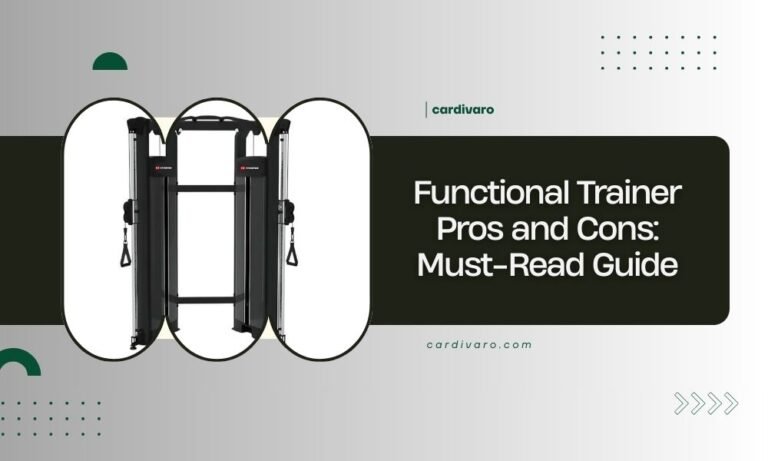
To tighten functional trainer cables, locate the cable tensioning mechanism at the top or side of your machine and turn the adjustment knobs clockwise until you achieve proper cable tension.
Most functional trainers use either spring-loaded tensioners or manual adjustment screws that require a quarter-turn at a time to avoid over-tightening the cables.
Why Your Functional Trainer Cables Get Loose
Your cables stretch over time. It’s just what happens when you pull weights up and down hundreds of times.
Think of it like a rubber band that gets worn out. The metal cables don’t actually stretch much, but the connection points and pulleys wear down slightly. This creates slack in your system.
Normal Wear and Tear
Every time you do a chest press or lat pulldown, your cables move through pulleys. This constant friction slowly wears down the cable coating.
The pulley wheels also develop tiny grooves. These microscopic changes add up to loose cables over months of use.
Temperature Changes
Does your home gym get hot in summer or cold in winter? Metal expands and contracts with temperature changes.
This expansion and contraction can make cables feel tighter or looser depending on the season.
Signs Your Cables Need Tightening
You’ll know it’s time when you see obvious slack in the cables. They might sag or feel loose when you grab the handles.
Inconsistent Resistance
Do you feel a delay when you start pulling? That’s loose cable syndrome right there.
Your first few inches of movement should feel smooth and immediate. If there’s a pause before the weight kicks in, your cables need attention.
Weird Noises
Loose cables can slap against the frame or make clicking sounds as they move through pulleys.
These noises aren’t just annoying. They signal that your cables aren’t tracking properly through the pulley system.
Safety Concerns
Loose cables can jump off pulleys during use. This creates a safety risk and can damage your machine.
Tools You’ll Need
Most functional trainers come with the tools you need. Check your owner’s manual first.
- Allen wrench set (usually 4mm, 5mm, or 6mm)
- Adjustable wrench
- Work gloves for better grip
- Flashlight to see tight spaces
Safety First
Unplug your machine if it’s motorized. Remove all weight plates or set the weight stack to zero.
You don’t want any tension in the system while you’re working on it.
Step-by-Step Cable Tightening Process
Start by finding your cable tensioning system. Most machines have it near the top of the frame.
Locate the Tension Adjusters
Look for threaded rods or turnbuckles where the cables connect to the frame. These usually have nuts you can turn.
Some newer machines have spring-loaded systems with adjustment knobs instead.
Spring-Loaded Systems
These are the easiest to adjust. You’ll see a knob or lever that you can turn by hand.
Turn clockwise to tighten, counterclockwise to loosen. Make small adjustments – maybe a quarter turn at a time.
Manual Tensioners
These require tools. You’ll adjust nuts or screws to change cable length.
Work slowly and check your progress after each small adjustment.
Testing Your Adjustments
After each adjustment, pull the cable handles to test the feel. You want firm resistance right from the start.
The cables should have slight tension even when no weight is selected. Not tight, just no visible sag.
Different Types of Functional Trainers
Cable adjustment varies by machine type. Here’s what I found when researching different models.
| Machine Type | Adjustment Location | Tool Required |
|---|---|---|
| Single Stack Trainers | Top of frame | Allen wrench |
| Dual Stack Systems | Both sides, top | Adjustable wrench |
| All-in-One Gyms | Multiple points | Various tools |
Single Stack Trainers
These are straightforward. One weight stack means one main cable system to adjust.
The tensioner usually sits right above the weight stack. Easy to spot and reach.
Dual Stack Systems
You have two independent cable systems. Each side needs individual adjustment.
Make sure both sides have equal tension. Uneven cables can cause the machine to feel lopsided during workouts.
Balancing Both Sides
Adjust one side first, then match the other side to the same tension level.
Pull both cable handles at the same time to check if they feel equal.
Common Mistakes to Avoid
Don’t overtighten your cables. This puts extra stress on pulleys and can damage bearings.
Going Too Fast
Small adjustments work better than big ones. A quarter-turn can make a noticeable difference.
If you go too far, you’ll need to back off and start over.
Ignoring Cable Routing
Make sure your cables follow the correct path through all pulleys. Misrouted cables can bind or wear out fast.
Check your owner’s manual for the proper cable routing diagram.
Pulley Alignment
Sometimes the issue isn’t cable tension but pulley alignment. Bent or misaligned pulleys can make cables feel loose.
When to Call a Professional
If your cables keep loosening after repeated adjustments, you might have worn pulleys or damaged cable ends.
Internal cable routing problems can be tricky to fix. Some machines require partial disassembly to reach all the cables.
Warranty Considerations
Check if your machine is still under warranty. Self-adjustments might void some warranties.
Many manufacturers offer free service calls during the warranty period.
Maintenance Tips
Regular cleaning keeps cables running smooth. Wipe down cables and pulleys after heavy use.
Monthly Checks
Test your cable tension monthly. It’s easier to make small adjustments than wait for major problems.
Look for frayed cables or worn pulley wheels during these checks.
Lubrication
Some pulley systems benefit from light lubrication. Use only manufacturer-recommended lubricants.
Never use household oils or sprays on fitness equipment cables.
Troubleshooting Persistent Problems
If cables keep getting loose, check the anchor points where cables attach to the frame.
Worn Anchor Points
Cable ends can wear out over time. The crimped fittings might be stretching or coming loose.
This usually requires professional repair or cable replacement.
Pulley Wear
Worn pulleys don’t grip cables properly. They develop grooves that let cables slip.
Replacing pulleys is often a professional job that requires special tools.
Conclusion
Tightening functional trainer cables is a simple maintenance task that keeps your home gym running smoothly. Start with small adjustments, test frequently, and don’t rush the process. Regular cable tension checks prevent bigger problems down the road and keep your workouts feeling consistent. When in doubt, consult your owner’s manual or contact the manufacturer for guidance. A well-maintained functional trainer will serve you for years with minimal issues.
How often should I check cable tension on my functional trainer?
Check cable tension monthly or whenever you notice slack in the cables. Heavy users might need to check every two weeks to catch problems early.
Can I use any tools to tighten functional trainer cables?
Use only the tools specified in your owner’s manual. Wrong tools can strip threads or damage adjustment mechanisms. Most machines need basic Allen wrenches or adjustable wrenches.
What happens if I overtighten my functional trainer cables?
Overtightening puts extra stress on pulleys, bearings, and cable ends. This can cause premature wear, bearing failure, or cable breakage. Always make small adjustments and test frequently.
Why do my cables keep getting loose after I tighten them?
Repeatedly loosening cables usually indicate worn cable ends, damaged pulleys, or problems with the tensioning mechanism itself. These issues typically require professional repair or parts replacement.
Is it safe to use my functional trainer with loose cables?
Loose cables can jump off pulleys during use, creating safety risks and potential equipment damage. Stop using the machine until you can properly adjust the cable tension or get professional service.