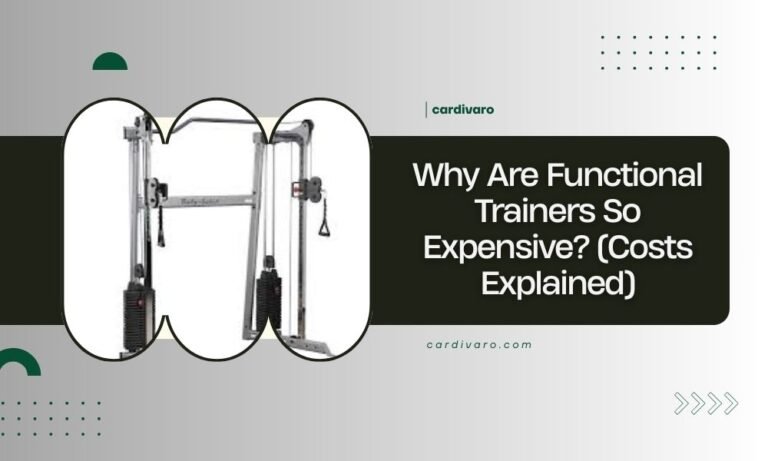
A functional trainer costs anywhere from $500 to over $5,000 for home use, with most popular models falling in the $1,500 to $3,000 range. The exact price for your functional trainer depends on its features, brand, and build quality.
You’ll notice a lot of price variation when you search for one. These machines offer a wide array of exercises. Generally, more durable materials and advanced features mean a higher price tag. This purchase is a real investment in your home gym setup.
- Expect to pay $500 to $5,000+.
- Mid-range models are often $1,500 to $3,000.
- Price depends on features, brand, and build quality.
- Your budget and fitness goals guide your choice.
Ready to figure out what kind of functional trainer fits your budget and fitness goals? Let’s break down the costs and what influences them, so you can make a smart decision.
Understanding Functional Trainer Pricing
You’re looking at functional trainers, and the prices range widely. This variation isn’t random; it reflects important differences in what you’re buying. We’ll help you break down these costs.
What Goes Into the Price Tag?
Several factors create the diverse pricing you see. Think of it like buying a car; a basic sedan is very different from a luxury SUV. Functional trainers are similar.
Material Quality and Build
The materials make a big difference. High-grade steel, especially commercial-grade, costs more. This influences the machine’s weight capacity and how long it lasts. Cheaper models might use lighter steel or more plastic components, which can reduce their lifespan (Consumer Reports).
Welds and finishes also matter. A machine with precision welding and rust-resistant coatings will naturally cost more to produce. These details contribute to both durability and aesthetics.
Weight Stacks vs. Plate-Loaded Systems
Functional trainers usually come with weight stacks or a plate-loaded system. Weight stacks are more convenient. You just pin the weight you want. But these systems are complex to manufacture and ship, driving up the cost.
Plate-loaded options require you to add your own Olympic or standard plates. They are often more affordable upfront because the manufacturer isn’t including hundreds of pounds of weights. However, you’ll need to buy plates separately, which adds to your overall investment.
Number of Attachments and Accessories
A basic functional trainer might come with two D-handles. More expensive models often include a variety of attachments: tricep ropes, ankle cuffs, straight bars, curl bars, and more. Each accessory adds value and expands your exercise options, but also increases the price. Think about what exercises you want to do; if you don’t need a lot of accessories, you might save money.
Brand Reputation and Warranty
Well-known fitness brands often charge more. They invest in research, design, and customer support. You’re often paying for their reputation for quality and reliability. Do your research here; sometimes, lesser-known brands offer good value.
The warranty is another key factor. A longer, more comprehensive warranty suggests the manufacturer stands behind their product. This peace of mind often comes with a higher price point.
Functional Trainer Cost Tiers
Let’s break down the typical price ranges you’ll encounter. This helps set your expectations.
Entry-Level Functional Trainers: Under $1,000
At this price point, you’ll find basic models perfect for beginners or those with limited space. These often feature lighter frames and smaller weight stacks (if any). Plate-loaded options are common here, saving on upfront machine costs.
Expect fewer advanced features and perhaps a simpler cable pulley system. The build might not be as robust as a higher-end model, meaning it may not withstand super heavy use over many years. But for general fitness and light to moderate workouts, these can be a great starting point.
Mid-Range Functional Trainers: $1,000 to $3,000
This is where most home users find their sweet spot. These machines offer a good balance of quality, features, and price. You’ll see more durable steel frames, smoother pulley systems, and often two independent weight stacks.
Many models in this range include a decent selection of attachments. They are built to last longer and handle more intense workouts than entry-level options. Brands like Inspire Fitness, Body-Solid, and Titan Fitness often have excellent offerings here.
High-End Functional Trainers: Over $3,000
When you cross the $3,000 mark, you’re looking at commercial-grade quality built for heavy use. These machines boast incredibly robust construction, high weight capacities, and often superior, near-frictionless cable systems. Think of a gym-quality piece of equipment.
The brands here are often those you’d see in professional gyms: Life Fitness, Precor, and Matrix Fitness. They come with extensive warranties, advanced adjustability, and a premium user experience. If you prioritize maximum durability, smooth operation, and plan to use it daily for intense workouts, this tier is for you.
The True Cost: Beyond the Sticker Price
A functional trainer’s price isn’t just what you pay initially. Consider these other costs.
Shipping and Assembly
Functional trainers are heavy and bulky. Shipping costs can range from a few hundred dollars to sometimes over $500, especially for larger units or if you live in a remote area. Always check this before buying.
Assembly is another consideration. These machines can be complicated to put together. You might need to pay for professional assembly, which can add $200-$500 to your total cost. Are you handy? Many people perform DIY assembly, but it can take hours (or even days) and usually requires two people.
Additional Accessories and Flooring
Did you choose a plate-loaded system? Then you’ll need to buy weight plates. This can be another $200-$500 depending on how much weight you need. Even if you get a weight stack model, you might want extra attachments not included in the original package. Bands, specialty handles, or a bench all add up.
What about your floor? A functional trainer is heavy. You might need protective flooring, like rubber mats, to prevent damage to your home. This is often overlooked but important for long-term home gym care.
| Cost Factor | Entry-Level ($) | Mid-Range ($) | High-End ($) |
|---|---|---|---|
| Machine Price | 500 – 1,000 | 1,000 – 3,000 | 3,000+ |
| Shipping | 100 – 300 | 150 – 400 | 200 – 500+ |
| Assembly (Optional) | 150 – 300 | 200 – 400 | 250 – 500+ |
| Weights (Plate-Loaded) | 200 – 400 | N/A (often included) | N/A (included) |
| Extra Attachments | 50 – 150 | 50 – 200 | 50 – 250+ |
| Flooring (Optional) | 50 – 100 | 100 – 200 | 150 – 300+ |
| Total Estimated Cost | $1,050 – $2,250 | $1,550 – $4,200 | $3,650 – $6,800+ |
Making Your Purchase Decision
Now you have a clearer picture of the costs. How do you choose the right one for you?
Assess Your Fitness Goals and Usage
Are you looking for light daily movement or heavy, intense strength training several times a week? Your intensity and frequency of use should guide your budget. A casual user doesn’t need a commercial-grade machine, but a serious lifter might regret buying a budget model.
Consider who else will use it. If multiple people in your household plan to train, investing in a more durable machine makes sense. It’s an important investment that should last years (American Council on Exercise).
Consider Your Available Space
Functional trainers come in various sizes. Measure your space carefully. Some models are more compact, ideal for smaller rooms. Others require significant floor space and ceiling height. Make sure the machine fits comfortably and allows for a full range of motion without hitting walls or ceilings.
Here’s a checklist to help you decide:
- What are your main fitness goals? (e.g., strength, rehab, cardio)
- How often will you or others use it? (daily, weekly, occasionally)
- What is your absolute maximum budget for everything (including shipping/assembly)?
- How much dedicated space do you have for the functional trainer?
- Are you comfortable with DIY assembly or prefer professional help?
- Do you already own any weight plates or accessories?

Conclusion
Choosing a functional trainer is a significant decision for your home gym. We’ve seen that costs vary widely, from under $1,000 to well over $5,000, depending on quality, features, and brand. Remember to factor in hidden costs like shipping, assembly, and extra accessories.
Aligning your budget with your fitness goals and available space is key. By carefully considering all these elements, you can confidently select the perfect functional trainer that will serve you well for years to come. Make a choice that supports your long-term health journey.
Frequently Asked Questions
Is a functional trainer worth the investment for a home gym?
Yes, for many people, a functional trainer is a great investment. It offers incredible versatility, allowing you to perform hundreds of exercises for a full-body workout. It can often replace several individual machines, saving space and providing dynamic training options.
What’s the main difference between plate-loaded and weight stack functional trainers?
Plate-loaded functional trainers require you to manually add weight plates, making them generally more affordable upfront but requiring a separate plate purchase. Weight stack versions have built-in weights that you select with a pin, offering more convenience but typically costing more due to their complex internal mechanisms.
Can I assemble a functional trainer by myself?
While some handy individuals can assemble a functional trainer, it’s often a challenging task. These machines are heavy and bulky, and assembly can take several hours, sometimes even a full day. Many people opt for professional assembly to save time and ensure proper setup.
How much space do I really need for a functional trainer?
Ensure you have enough room not just for the machine’s footprint, but also for movement around it. You’ll need space to stand, sit, and extend your arms and legs. Always check the machine’s dimensions and add extra clearance to prevent bumping into walls or furniture during exercises.
Are cheaper functional trainers durable enough for regular use?
Entry-level functional trainers (under $1,000) can be durable for regular, light to moderate use. However, they typically use lighter-grade materials and less robust components compared to mid-range or high-end models. If you plan on intense, daily workouts, a more expensive model will likely offer better long-term durability.