To do cable rows effectively, you first set up the machine with your preferred handle, then focus on maintaining a straight back while pulling the weight towards your belly button. Remember to control the weight in both directions for the best muscle engagement and to prevent injury.
This exercise is a fantastic way to build a strong back and improve your posture. Many fitness folks consider it a staple for targeting the major muscles in your back, including your lats and rhomboids. You’re not just lifting weight; you’re sculpting a more powerful physique that supports your everyday movements.
- Proper setup is key for safety and results.
- Engage your core to protect your spine.
- Focus on squeezing your shoulder blades together.
- Control the movement both ways – don’t let the weight just drop.
- Adjust your grip to target different back muscles.
Ready to master this powerful back exercise? Let’s walk through exactly how to do cable rows with perfect form and get those gains you’re looking for.
Mastering the Cable Row: Your Guide to a Stronger Back
Ready to build a stronger, more defined back with cable rows? This guide breaks down every step to ensure your form is perfect and your muscles are engaged effectively.
Setting Up for Success
Before you even think about pulling, a proper setup ensures safety and effectiveness. Think of it like tuning your instrument before playing a beautiful song.
Choosing Your Cable Machine and Handle
You’ll typically use a seated cable row machine. It has a seat, footrests, and a cable with interchangeable handles. Many gyms have horizontal or low row machines. They all work similarly.
The handle you choose matters. A V-bar handle is very common. It allows a neutral grip (palms facing each other). This often feels natural. A straight bar can give you an overhand (palms down) or underhand (palms up) grip. Each grip targets your back muscles a little differently. We’ll dive into that more later.
- V-bar: Best for targeting the middle back.
- Straight bar (overhand): Focuses more on the upper lats and rear delts.
- Straight bar (underhand): Engages the lower lats and biceps more.
Adjusting the Seat and Footrests
Good positioning prevents strain and maximizes muscle work. Most machines have an adjustable seat. You want your feet firmly on the footrests. Your knees should be slightly bent, not locked out. This takes pressure off your lower back. Your torso should be upright but leaning forward slightly from your hips to grab the handle.
The cable attachment should be low enough that when you pull, the cable travels in a straight line towards your body. If it’s too high, your shoulders might come up too much. If it’s too low, you might round your back. A good starting point is usually hip height.
The Perfect Cable Row Technique
Once you are set up, it’s time to learn the movement. This isn’t just about pulling weight. It’s about feeling the right muscles work.
The Starting Position
Sit on the bench with your feet firmly against the footrests. Your knees should have a slight bend. Reach forward and grab your chosen handle with both hands. Keep your back straight and tall. You want a small arch in your lower back. Avoid rounding your shoulders forward. This initial stretch is important for a full range of motion.
Lean back slightly from your hips until your torso is upright. Your arms should be fully extended, but not locked. Feel the stretch in your lats. This is your foundation for a strong pull.
Executing the Pull
Imagine you’re trying to touch your shoulder blades together. Instead of just pulling with your arms, initiate the movement with your back muscles. Pull the handle towards your lower abdomen or belly button. Keep your elbows close to your body and pointing backward. Don’t let them flare out wide. This keeps the focus on your back and lats.
Squeeze your shoulder blades together at the peak of the movement. Hold this contraction for a second. Think about showing off your back muscles. You should feel a strong contraction in your mid-back.
Controlling the Release
This is where many people make a mistake. Don’t just let the weight snap back. Slowly and controllably extend your arms forward. Resist the pull of the weight. Feel the stretch in your back again. This controlled negative portion of the lift is just as important as the pull itself. It helps build muscle and prevents injury. Think of it like letting a spring slowly unwind, not just letting it go.
Keep your back straight throughout the entire movement. Avoid leaning too far forward or backward. You’re not using momentum; you’re using muscle.
Common Mistakes to Avoid
Even seasoned lifters can fall into bad habits. Being aware of these pitfalls will help you get the most out of your cable rows and stay safe (National Institutes of Health).
Using Too Much Weight
When the weight is too heavy, your form suffers. You might start using your arms and biceps too much. You might also start jerking your body back and forth (body English). This reduces the effectiveness on your back muscles. It also increases the risk of lower back strain. Always choose a weight where you can maintain perfect form for all your reps.
Rounding Your Back
A rounded back is a big no-no. It puts excessive stress on your spinal discs. This can lead to injury over time. Always keep a straight back with a natural arch. Engage your core muscles to help stabilize your spine. Imagine a straight line from your head to your tailbone.
Letting Your Elbows Flare Out
When your elbows go out wide, it shifts the focus from your back to your shoulders. This reduces the isolation of your lats and rhomboids. Keep your elbows tucked in (closer to your body) to ensure your back muscles do the work. Think of your elbows as driving backwards, not outwards.
Using Momentum
Rocking back and forth to lift the weight means you’re not actually using your muscles to pull. You’re just swinging. This takes tension off your back and puts it on your joints. Control the weight during both the pull and the release. Each rep should be deliberate and smooth. This is about building muscle, not swinging weight.
Variations and Grip Types
The cable row is versatile! Changing your grip or handle can target different parts of your back. This helps you develop a well-rounded and strong physique.
| Grip Type | Handle Type | Primary Muscle Focus | Tips for Use |
|---|---|---|---|
| Neutral Grip | V-Bar or Rope | Mid-back (rhomboids, traps) | Pull towards your belly button. Good for overall back thickness. |
| Overhand Grip (wide) | Straight Bar | Upper back, rear deltoids, lats | Elbows stay slightly wider, pull to upper abdomen. |
| Underhand Grip (narrow) | Straight Bar | Lower lats, biceps | Pull towards your lower abs, emphasis on squeezing lats. |
| Single-Arm Row | D-Handle | Unilateral strength, core stability | Controls imbalances, focus on one side at a time. |
Integrating Cable Rows into Your Workout
How do cable rows fit into your overall fitness routine? They are a fantastic compound exercise. This means they work multiple muscle groups at once. Many fitness pros suggest placing them early in your workout after warm-ups when your energy is high (American Council on Exercise).
Repetitions and Sets
For muscle growth (hypertrophy), aim for 3-4 sets of 8-12 repetitions. If your goal is strength, you might go for fewer reps (5-8) with heavier weight. For endurance, higher reps (12-15) with lighter weight. Listen to your body and adjust as needed.
Making It a Habit
Consistency is key for results. Incorporate cable rows into your back or pull day workouts. Aim for 1-2 times a week. Over time, you’ll see noticeable improvements in your back strength and posture. Don’t rush the process; gradual progress is sustainable progress.
Your Cable Row Checklist
Before you start your next set of cable rows, quickly run through this checklist. It’s a simple way to ensure you’re on track for optimal results and safety.
- Is the seat adjusted correctly for your height?
- Are your feet firmly on the footrests and knees slightly bent?
- Is your back straight, with a natural arch, not rounded?
- Are you grabbing the handle with a firm but not death grip?
- Are you initiating the pull with your back, squeezing your shoulder blades?
- Are you controlling the weight on both the pull and the return?
Conclusion
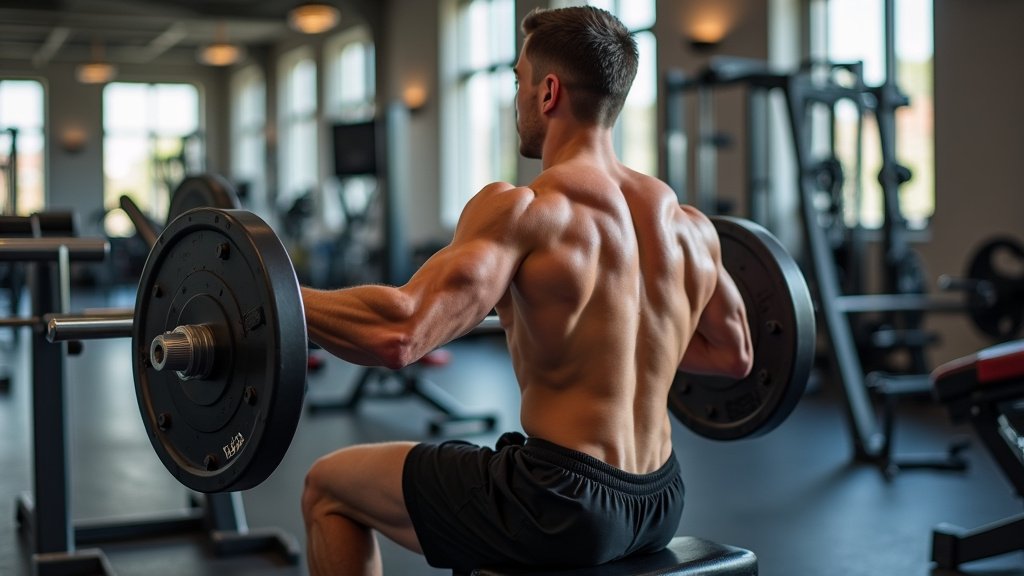
Mastering the cable row means building a strong, balanced back and improving your posture. You’ve learned how critical correct setup is, from choosing the right handle to adjusting the seat for your body. Remember to initiate the pull with your back, not just your arms, and control the weight through the entire movement. Consistency and proper form are far more important than lifting heavy.
By avoiding common mistakes like rounding your back or using too much momentum, you’ll protect your spine and maximize muscle engagement. Experiment with different grip variations to target specific areas of your back. Now that you have this blueprint, head to the gym with confidence. Apply these techniques, stay consistent, and get ready to see impressive gains in your back strength and definition.
Frequently Asked Questions
What’s the best handle for cable rows if I’m just starting?
If you’re a beginner, a V-bar handle is often the best choice. Its neutral grip (palms facing each other) feels natural and generally allows for better engagement of your mid-back muscles. It’s a great starting point to learn the movement.
Can cable rows help with posture improvement?
Absolutely, cable rows are excellent for posture. They strengthen the muscles in your mid-back, like the rhomboids and lats, which are vital for pulling your shoulders back and maintaining an upright position. Consistent training can counteract the effects of slouching.
How many sets and reps should I do for muscle growth?
For muscle growth, also known as hypertrophy, you should aim for 3-4 sets of 8-12 repetitions. Choose a weight that challenges you to complete all reps with good form, especially the last few. This rep range is widely recommended for building muscle.
Is it okay to feel cable rows in my biceps?
While cable rows primarily target your back, some bicep engagement is normal, especially with an underhand grip. However, if your biceps are doing most of the work, you might be using too much weight or pulling too much with your arms. Focus on initiating the pull with your back and squeezing your shoulder blades.
How often should I include cable rows in my workout routine?
You can incorporate cable rows into your workout routine 1-2 times per week. They fit well into a back-focused day or a full-body workout. Giving your muscles adequate rest between sessions is essential for growth and recovery.