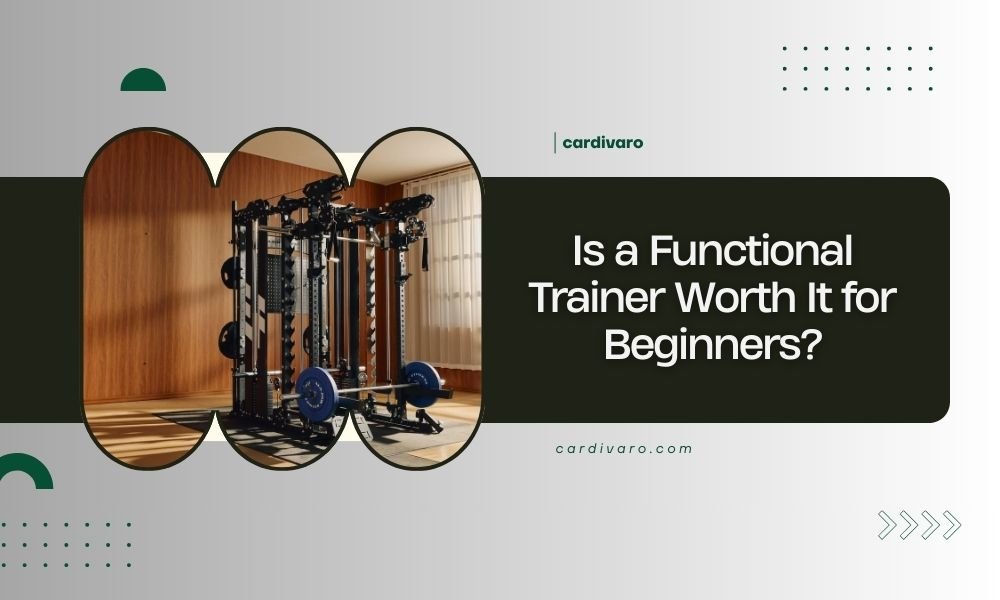
A functional trainer is worth it for beginners who want versatile, space-efficient strength training equipment that grows with their fitness level.
Research shows that functional trainers offer better exercise variety than most single-purpose machines, making them ideal for building foundational strength safely.
What Makes a Functional Trainer Different from Other Equipment
Think of a functional trainer as the Swiss Army knife of gym equipment. Unlike bulky weight machines that lock you into one movement pattern, functional trainers use adjustable cable systems.
You can perform dozens of exercises on one machine. Chest presses, rows, squats, bicep curls, and core work all happen in the same small footprint.
Key Components That Matter
Most functional trainers include dual weight stacks, multiple cable attachments, and adjustable pulleys. The weight stacks usually range from 150 to 200 pounds per side.
High-quality models feature smooth pulley systems and sturdy frames. These components determine how the machine feels during your workouts.
Why Beginners Benefit More Than You Think
Starting your fitness journey can feel overwhelming. Which exercises work best? How do you avoid injury? Functional trainers solve many beginner concerns.
Safety Comes First
Free weights can be intimidating. What happens if you can’t complete that last rep? With functional trainers, the weights stay contained in stacks.
You won’t drop anything on your feet. The controlled cable movements reduce injury risk compared to barbells or dumbbells.
Built-in Exercise Guidance
Many functional trainers come with exercise charts or apps. These guides show you exactly how to position your body and which attachments to use.
From what I read, beginners who use guided equipment stick with their routines longer than those who start with basic weights.
Cost Analysis: What You’re Really Paying For
Quality functional trainers cost between $1,500 and $4,000. That sounds expensive until you break it down.
Gym Membership Comparison
The average gym membership costs $58 per month. Over three years, that’s $2,088 for one person. Add your spouse, and you’re looking at over $4,000.
A functional trainer pays for itself in 2-3 years while giving you 24/7 access to workouts.
Hidden Gym Costs Add Up
- Gas money for trips to the gym
- Time spent commuting
- Initiation fees and annual charges
- Personal training sessions
Equipment Replacement Value
To match a functional trainer’s versatility, you’d need separate machines for chest, back, shoulders, arms, and legs. That equipment would cost $5,000-8,000 and require a much larger space.
Space Requirements: Will It Fit Your Home
Most functional trainers need about 8 feet by 6 feet of floor space. That’s smaller than many people expect.
Ceiling Height Matters
You’ll need at least 8 feet of ceiling clearance. Some exercises require you to pull cables overhead. Measure twice before you buy.
Creative Placement Options
Basements, garages, and spare bedrooms work well. I found that many people successfully use corner spaces that wouldn’t fit other equipment.
Common Beginner Mistakes to Avoid
Buying too much too soon ranks as the biggest home gym mistake. Functional trainers help you avoid this trap.
The “More Equipment” Fallacy
Beginners often think they need every piece of equipment they see at commercial gyms. Research shows that people use 2-3 pieces regularly, regardless of how much they own.
One versatile machine beats five single-purpose items collecting dust.
Starting Weight Expectations
Don’t worry if you start with light weights. Cable exercises feel different than free weights due to constant tension throughout the movement.
Many experienced lifters find cable exercises challenging even with lighter weights than they’d use for barbells.
Best Exercises for Functional Trainer Beginners
Start with these basic movements that target major muscle groups safely.
| Muscle Group | Exercise | Beginner Sets |
|---|---|---|
| Chest | Cable Chest Press | 2-3 sets of 8-12 |
| Back | Seated Cable Row | 2-3 sets of 8-12 |
| Legs | Cable Squats | 2-3 sets of 10-15 |
| Arms | Bicep Curls | 2-3 sets of 10-12 |
Progression Made Simple
Add 5-10 pounds when you can complete all sets with perfect form. Don’t rush the process. Consistent small increases beat dramatic jumps.
Form Beats Weight Every Time
Focus on smooth, controlled movements. The mirror becomes your best friend for checking technique.
Maintenance and Longevity
Quality functional trainers last 10-15 years with basic care. That’s excellent value compared to constantly replacing smaller equipment.
Simple Upkeep Tasks
- Wipe down cables and handles after use
- Check cable tension monthly
- Lubricate pulleys yearly
- Inspect weight stack pins regularly
When to Call for Service
Unusual noises, sticky cables, or uneven resistance signal maintenance needs. Most issues are minor and fixable.
Conclusion
A functional trainer is absolutely worth it for beginners serious about home fitness. You get professional gym versatility in a compact package that grows with your abilities.
The upfront cost seems high, but it pays off quickly compared to gym memberships and buying multiple pieces of equipment. Most importantly, you’ll actually use it because it fits your space and offers endless exercise options.
Start with basic movements, focus on proper form, and gradually increase resistance. Your functional trainer will serve you well for years to come.
Can I get a full-body workout with just a functional trainer?
Yes, functional trainers allow you to work every major muscle group through various cable exercises, making them complete home gym solutions for most people’s fitness goals.
How much space do I really need around a functional trainer?
Plan for 3 feet of clearance on all sides beyond the machine’s footprint, giving you room to move safely during exercises that require stepping or lunging.
Are functional trainers safe to use without a spotter?
Yes, the cable and weight stack design eliminates the risk of dropping weights, making functional trainers much safer for solo workouts than free weights.
What’s the difference between cheap and expensive functional trainers?
Higher-priced models typically offer smoother cable action, more durable frames, higher weight capacities, and better warranty coverage, while budget models may feel jerky or wear out faster.
Do I need any additional equipment with a functional trainer?
Most functional trainers include basic attachments, but you might want to add specialized handles, ankle straps, or a bench to expand your exercise options over time.