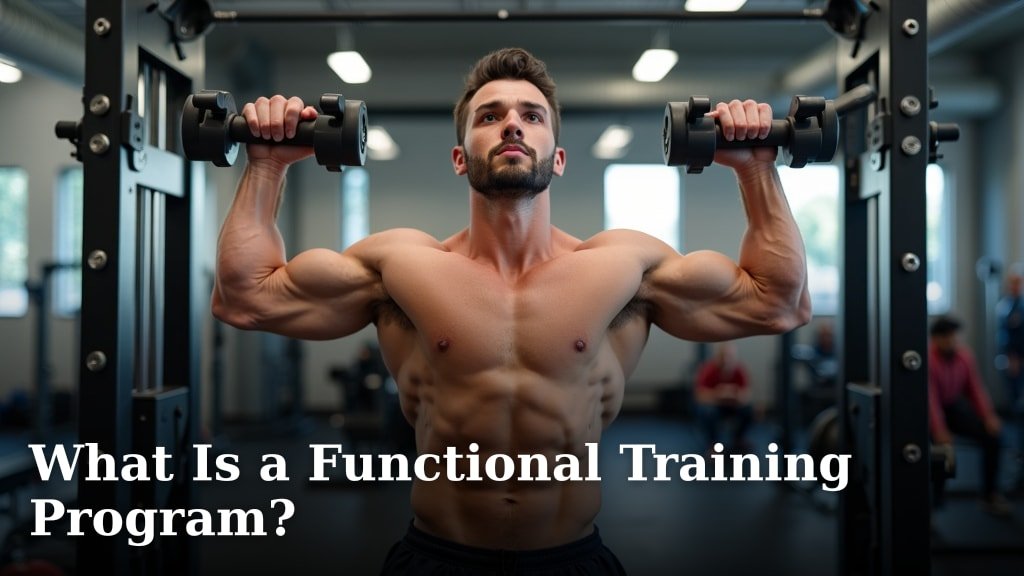
A functional training program is a type of exercise that helps you perform daily activities more easily. It trains your muscles to work together, preparing you for real-world movements.
Instead of isolating single muscles, functional training uses exercises that mimic how you move naturally. Think about lifting groceries or playing with your kids – this training makes those tasks feel less strenuous. It’s all about improving your overall fitness for life.
- Functional training improves everyday movements.
- It focuses on exercises that mimic real-life activities.
- You’ll train multiple muscle groups at once.
- The goal is to boost your strength, balance, and coordination.
- It prepares your body for the demands of daily living.
Ready to understand how this type of workout can change your routine? Let’s dive into what makes a functional training program so effective.
Understanding Functional Training Programs
You’re curious about functional training, and that’s fantastic! This type of program is designed to make your everyday life feel easier and more energetic. It’s about building a body that works efficiently for you.
What Makes Functional Training Different?
Traditional strength training often isolates muscles. You might do bicep curls or leg extensions. These are great for building muscle size, but they don’t always translate to how you move in real life.
Functional training takes a different path. It focuses on movements, not just individual muscles. It asks, “How do you naturally use your body?”
Think about lifting a box. You don’t just use your biceps. Your legs, core, and back all work together. Functional training mimics these multi-joint, multi-muscle actions.
The goal is to improve your ability to perform daily tasks with less strain. This could be anything from carrying groceries to playing a sport. It’s about making your body more capable and resilient.
Core Principles of a Functional Program
A good functional training program isn’t just a random collection of exercises. It follows several key principles to ensure you’re getting the most benefit.
Mimicking Real-Life Movements
This is the heart of functional training. Exercises often replicate common activities. Think about squatting, pushing, pulling, bending, twisting, and lunging.
Instead of sitting on a machine, you might use your body weight or free weights. This better prepares your body for the unpredictable nature of daily life.
Training Multiple Muscle Groups
Our bodies rarely use just one muscle at a time. Functional exercises engage several muscle groups simultaneously. This improves coordination and stability.
For example, a kettlebell swing works your glutes, hamstrings, core, and shoulders all at once. It’s a full-body effort.
Focus on Core Stability
Your core is the powerhouse of your body. It includes your abdominal muscles, lower back, and hips. A strong core is vital for balance and preventing injuries.
Many functional exercises naturally engage your core. This helps you develop stability and strength from the center of your body outward.
Emphasis on Balance and Coordination
Life requires good balance. Functional training often includes movements that challenge your stability. This can be standing on one leg or performing exercises on unstable surfaces.
Improved balance means fewer falls and better control over your body. It helps you feel more grounded and agile.
Key Components of a Functional Training Session
So, what does a functional workout actually look like? While programs vary, certain elements are common. We found that most effective functional programs include these categories of exercises.
Bodyweight Exercises
These are fantastic for building foundational strength. They use your own body as resistance. Think push-ups, squats, lunges, and planks.
They’re convenient because you can do them anywhere. Plus, they teach you how to control your body in space, which is crucial for functional movement.
Free Weight Exercises
Dumbbells, kettlebells, and barbells are often used. These require more stabilization than machines. You have to control the weight’s movement yourself.
Exercises like deadlifts, overhead presses, and rows are excellent. They build strength and help with real-world lifting tasks.
Plyometrics and Agility Drills
These exercises involve jumping and quick changes of direction. They help improve your power and quickness. Think box jumps or cone drills. For athletes, functional trainer agility drills can significantly improve quickness and reaction time.
This can be great for activities like playing with kids or reacting quickly to something. It helps you develop a more responsive body.
Stability and Balance Work
Exercises like single-leg stands, using a stability ball, or standing on an uneven surface. These challenge your small stabilizing muscles.
Improving stability helps prevent common slips and falls. It also makes you feel more confident in your movements (Mayo Clinic).
Benefits You Can Expect
Why should you consider functional training? The advantages extend far beyond just looking good. We found that the benefits are truly life-enhancing.
| Benefit Category | How Functional Training Helps |
|---|---|
| Improved Everyday Performance | Makes daily tasks like lifting, bending, and carrying feel easier and less tiring. |
| Reduced Risk of Injury | Strengthens muscles and joints, improving stability and movement patterns to prevent strains and falls. |
| Enhanced Balance and Coordination | Develops better control over your body, leading to more stable movements and reduced risk of accidents. |
| Increased Core Strength | Builds a strong center, which supports your spine and improves overall body mechanics. |
| Better Posture | Strengthens the muscles that support good alignment, helping you stand taller and move more gracefully. |
Enhanced Quality of Life
Imagine being able to carry all your groceries in one trip without struggling. Or effortlessly keeping up with your grandkids in the park. Functional training makes these scenarios your reality.
It gives you the physical freedom to enjoy your life more fully. This isn’t just about fitness; it’s about making your life better.
Injury Prevention and Rehabilitation
By strengthening your body in the ways you actually move, you build resilience. This means your muscles and joints are better prepared for unexpected stresses.
Many rehabilitation programs include functional exercises. They help people recover from injuries by rebuilding natural movement patterns (Cleveland Clinic).
Improved Athletic Performance
Even if you’re not a professional athlete, you likely engage in some form of recreation. Functional training can make you better at sports and hobbies.
Whether it’s hiking, playing tennis, or simply gardening, your body will be more efficient and powerful. You’ll move with greater ease and control.
Is Functional Training Right for You?
You might be wondering if this type of training fits your lifestyle and goals. The good news is, functional training is incredibly versatile.
It’s not just for elite athletes. It’s for anyone who wants to move better and feel stronger in their everyday life. From beginners to advanced exercisers, everyone can benefit.
Who Benefits Most?
- People looking to improve their general fitness.
- Individuals wanting to reduce their risk of falls and injuries.
- Anyone who performs physical tasks at work or home.
- Athletes aiming to boost their sport-specific performance.
- Seniors seeking to maintain independence and mobility.
Getting Started with Functional Training
Ready to give it a try? Starting a functional training program doesn’t have to be intimidating. You can begin with simple bodyweight exercises at home. Our guide on whether beginners use a functional trainer safely can help you get started with confidence.
Focus on mastering basic movements first. Quality of movement is far more important than how much weight you lift. Listen to your body and progress gradually.
Consider working with a certified personal trainer, especially when starting. They can guide you and ensure you’re using proper form.
Your Functional Training Checklist
Here are a few things to keep in mind as you embark on your functional fitness journey:
- Start Slow: Don’t push too hard too fast.
- Focus on Form: Correct movement prevents injury.
- Vary Your Exercises: Challenge your body in different ways.
- Include All Movement Patterns: Squat, hinge, push, pull, rotate.
- Listen to Your Body: Rest when needed, modify exercises if uncomfortable.
- Stay Consistent: Regular practice brings the best results.
Conclusion
You’ve seen how a functional training program moves beyond traditional workouts. It focuses on making your body better at everyday tasks. By mimicking natural movements, engaging multiple muscle groups, and building core strength, you’re not just exercising; you’re building a more capable and resilient you. You’ll move with greater ease, reduce injury risk, and enjoy life more fully. Ready to experience these changes?
Take the first step today. Start with simple bodyweight exercises or consult a trainer to begin your journey toward a stronger, more functional self.
Frequently Asked Questions
How often should I do functional training?
Most experts suggest 3-5 sessions per week for optimal results. This allows your muscles time to recover and adapt. Listen to your body and adjust as needed.
Can functional training help with weight loss?
Yes, functional training can contribute to weight loss. It often involves compound movements that burn more calories. It also builds muscle, which boosts your metabolism.
Is functional training suitable for older adults?
Absolutely! Functional training is excellent for older adults. It helps maintain balance, mobility, and strength, which are crucial for independent living and preventing falls.
Do I need special equipment for functional training?
Not necessarily. Many functional exercises use only your body weight. You can also use simple equipment like dumbbells, resistance bands, or kettlebells as you progress.
What’s the difference between functional training and CrossFit?
CrossFit incorporates functional movements, but it’s often high-intensity and competitive. Functional training is a broader category focused on daily life improvement. It can be adapted to any fitness level.