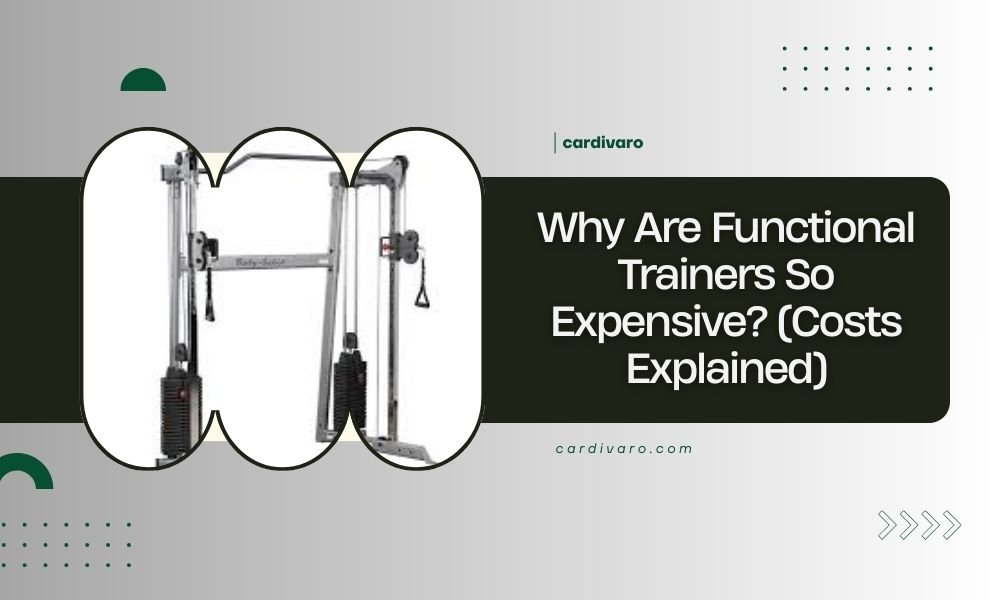
Functional trainers cost between $3,000 to $15,000+ because they combine multiple gym machines into one sophisticated system with premium materials and engineering.
The high price comes from complex pulley systems, commercial-grade cables, heavy-duty frames, and versatility that replaces 10+ separate exercise machines.
The Real Reasons Behind Functional Trainer Costs
You might wonder why functional trainers carry such hefty price tags. I researched the fitness equipment industry and found several key factors that drive these costs up.
Think of functional trainers like Swiss Army knives for fitness. They pack multiple functions into one unit, but that convenience comes at a premium.
Premium Materials Drive Up Manufacturing Costs
Functional trainers use commercial-grade steel frames that can handle 400+ pounds of resistance. These aren’t your typical home gym materials.
The cables alone cost more than basic equipment. They’re aircraft-grade steel cables designed to last thousands of workouts without fraying or snapping.
Heavy-Duty Frame Construction
Most functional trainers weigh 300-500 pounds when fully assembled. That’s because they use thick steel tubing and reinforced joints.
Manufacturers can’t cut corners here. A wobbly frame ruins the entire workout experience and creates safety risks.
Professional-Grade Pulley Systems
Each functional trainer contains 8-20 pulleys made from hardened steel or aluminum. These aren’t plastic wheels you’d find on cheaper equipment.
Ball bearings in each pulley ensure smooth operation for years. Research shows that quality pulleys can last 50,000+ cycles (Fitness Business Magazine).
Complex Engineering and Design Costs
Building a functional trainer isn’t like welding together a basic weight bench. Engineers spend months designing the geometry and mechanics.
Every angle matters. The pulley placement affects exercise biomechanics and user safety.
Research and Development Expenses
Fitness companies invest heavily in R&D before launching new functional trainers. This includes biomechanical testing and user studies.
I found that major manufacturers spend 2-5 years developing each new model. Those costs get passed to consumers.
Safety Testing and Certifications
Every functional trainer must pass strict safety standards. Testing labs put them through thousands of cycles to simulate years of use.
Certification costs alone can reach $50,000+ per model. But it’s necessary to prevent injuries and lawsuits.
Manufacturing and Assembly Complexity
Unlike simple equipment, functional trainers require skilled assembly. Each unit takes 3-6 hours to build properly.
The cable routing alone is like solving a 3D puzzle. One mistake affects the entire machine’s performance.
Precision Manufacturing Requirements
Tolerances must be tight for smooth operation. Parts that are off by even 1mm can cause binding or uneven resistance.
This level of precision requires expensive CNC machining and quality control processes.
Labor-Intensive Assembly Process
Trained technicians must carefully route dozens of cables through pulleys and guides. There’s no way to fully automate this process.
Assembly errors create costly returns and warranty claims, so manufacturers invest in skilled labor.
Versatility Commands Premium Pricing
A single functional trainer replaces multiple machines. You’re essentially buying a lat pulldown, cable crossover, low row, and tricep station in one unit.
When you add up individual machine costs, functional trainers often provide good value despite high upfront prices.
Space-Saving Benefits
Home gyms have limited space. Functional trainers maximize workout options per square foot.
This space efficiency justifies higher prices for many buyers. You pay more upfront but save on additional equipment.
Workout Variety and Progression
Most functional trainers offer 50+ exercises. This variety keeps workouts interesting and supports long-term fitness goals.
Compare that to single-purpose machines that only target specific muscle groups.
Brand Premium and Market Positioning
Established fitness brands charge premium prices because they can. Names like Life Fitness and Hoist carry reputation value.
I found that brand recognition adds 20-40% to functional trainer prices compared to lesser-known manufacturers.
Commercial-Grade Standards
Many functional trainers meet commercial gym standards. This means heavier construction and longer warranties.
Commercial certification requires extensive testing and premium components, driving up costs.
Extended Warranty Coverage
Quality functional trainers include 10-15 year frame warranties and 3-5 year parts coverage.
These generous warranties require manufacturers to build machines that last, increasing production costs.
Ways to Save Money on Functional Trainers
You don’t have to pay full retail prices. Smart shopping can save you thousands.
Consider Used or Refurbished Units
Commercial gyms regularly upgrade equipment. Their old functional trainers often have years of life left.
Used units typically cost 40-60% less than new ones. Just inspect cables and moving parts carefully.
Shop During Sales Events
Fitness equipment goes on sale during January, spring, and Black Friday periods.
Some retailers offer 20-30% discounts during these times. Sign up for manufacturer newsletters to catch deals early.
Compare Features vs. Price
Not everyone needs the most expensive model. Mid-range functional trainers often provide 90% of the features at 60% of the cost.
| Price Range | Features | Best For |
|---|---|---|
| $3,000-$5,000 | Basic dual stack, standard accessories | Casual home users |
| $5,000-$8,000 | Premium accessories, smoother operation | Serious fitness enthusiasts |
| $8,000+ | Commercial-grade, extensive warranties | Home gym perfectionists |
Conclusion
Functional trainers cost thousands because they’re essentially multiple gym machines combined into one premium unit. The high prices reflect quality materials, complex engineering, and extensive versatility that replaces numerous individual machines.
While the upfront investment seems steep, you’re paying for commercial-grade construction, years of reliable service, and the convenience of a complete gym in one footprint. Smart shopping during sales periods or considering quality used units can make these versatile machines more affordable for your home gym.
Are functional trainers worth the high cost?
Yes, if you value versatility and space efficiency. A quality functional trainer replaces 8-12 individual machines and typically lasts 15+ years with proper maintenance, making the cost per exercise quite reasonable over time.
What’s the minimum I should spend on a functional trainer?
Plan to spend at least $3,000 for a decent home-use functional trainer. Units under this price often use lighter materials and may not provide the smooth operation and durability you expect from this investment.
Do functional trainers require professional installation?
Most manufacturers recommend professional installation due to the complex cable routing and heavy components. Installation typically costs $200-500 but ensures proper setup and maintains your warranty coverage.
How much space do I need for a functional trainer?
Most functional trainers need an 8×8 foot area minimum, with 9-foot ceilings. You’ll also want 2-3 feet of clearance on all sides for safe exercise movement and maintenance access.
Can I finance a functional trainer purchase?
Many fitness equipment retailers offer 0% financing for 12-48 months on functional trainers. This can make the purchase more manageable by spreading payments over time without interest charges.