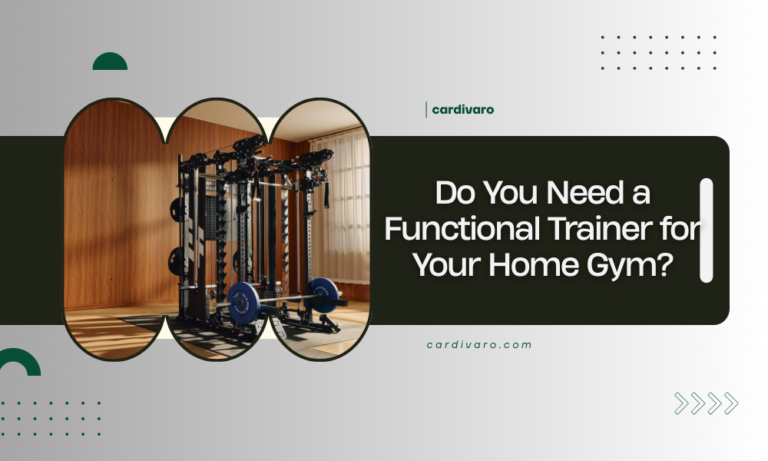
Low ceiling functional trainers under 80 inches tall offer complete workout solutions for basements, garages, and rooms with limited vertical space.
You can find quality functional trainers designed for ceilings as low as 7 feet without sacrificing essential exercises or workout variety.
What Are Low Ceiling Functional Trainers?
These compact machines pack all the power of full-size functional trainers into shorter frames. They use pulley systems, resistance bands, or weight stacks to create smooth resistance for strength training.
Most standard functional trainers stand 83-95 inches tall. That’s a problem if your ceiling sits at 96 inches or less. Low ceiling models typically measure 75-82 inches in height.
Why Height Matters for Your Workout
You need clearance above the machine for overhead movements. Research shows that functional training with full range of motion produces better strength gains than restricted movements (American Council on Exercise).
A good rule: add 12-18 inches to your machine’s height for safe overhead exercises. So an 80-inch trainer needs about 94-98 inches of ceiling space.
Top Features to Look For
Adjustable Cable Heights
Multiple cable positions let you target different muscle groups. Look for at least 15-20 height adjustments on each side.
The best models offer high, mid, and low pulley positions. This gives you options for lat pulldowns, rows, chest presses, and leg exercises.
Weight Stack or Resistance Type
You’ll find three main resistance systems:
- Traditional weight stacks (smooth, consistent resistance)
- Resistance bands or tubes (compact, variable tension)
- Hybrid systems (combining both methods)
Weight Stack Benefits
Weight stacks provide steady resistance throughout each movement. They’re easier to adjust between exercises and feel more like traditional gym equipment.
Resistance Band Advantages
Bands take up less space and cost less. They create variable resistance that increases as you stretch them. Many trainers prefer this for functional movements.
Frame Stability
Shorter doesn’t mean flimsy. Look for heavy-gauge steel construction and a wide base. The frame should stay rock-solid during explosive movements.
Check the weight capacity too. Quality low ceiling trainers handle 300-400 pounds of resistance per side.
Best Short Functional Trainer Options
Cable-Based Compact Trainers
These use traditional cable and pulley systems in shorter frames. They typically measure 78-82 inches tall and offer 150-200 pounds of resistance per side.
From what I researched, most users find cable systems more intuitive if they’re used to commercial gym equipment.
Resistance Band Trainers
Band-based trainers often measure just 75-78 inches tall. They use multiple resistance bands to create up to 300 pounds of total resistance.
The bands attach to various anchor points on the frame. You can combine multiple bands for heavier resistance or use single bands for lighter work.
Hybrid Systems
Some manufacturers combine cables with resistance bands. This gives you options for different types of resistance in one compact machine.
| Trainer Type | Typical Height | Resistance Range | Best For |
|---|---|---|---|
| Cable-Based | 78-82 inches | 150-200 lbs per side | Traditional feel |
| Resistance Band | 75-78 inches | 200-300 lbs total | Space saving |
| Hybrid | 76-80 inches | Variable | Workout variety |
Essential Exercises You Can Still Do
Upper Body Movements
Don’t worry about losing exercise options. Low ceiling trainers handle all major upper body exercises:
- Chest presses and flyes
- Lat pulldowns (modified angle)
- Seated rows
- Bicep curls and tricep extensions
- Shoulder raises and rear delt flyes
Modifying Overhead Movements
You might need to adjust some exercises. Instead of standing overhead presses, try seated versions. They’re just as effective for shoulder development.
Lower Body Training
These machines excel at lower body functional movements:
- Squats with resistance
- Lunges in multiple directions
- Leg presses from cable position
- Glute bridges and hip hinges
- Calf raises
Core and Functional Movements
Functional trainers shine for core work and athletic movements. The cables allow rotation and multi-plane exercises that dumbbells can’t match.
Space Planning Tips
Measuring Your Space
Measure ceiling height at multiple points. Basements and garages often have uneven ceilings or obstacles like ductwork.
Don’t forget about flooring. If you plan to add rubber mats, subtract that thickness from your available height.
Clearance Around the Machine
You need space on all sides for exercises and safety. Plan for:
- 6 feet in front for forward movements
- 3 feet on each side for lateral exercises
- 4 feet behind for back-stepping movements
Multi-Use Spaces
Many people use garages or basements for storage too. Consider a machine with a smaller footprint or one that folds partially when not in use.
Installation Considerations
Assembly Space
You need extra room during assembly. Some parts extend beyond the final footprint during setup. Check if the machine will fit through doorways when assembled.
Floor Requirements
Most functional trainers work fine on concrete floors. Add rubber mats for comfort and floor protection. Avoid carpet if possible – it affects stability.
Anchoring Options
Some low ceiling models offer floor anchoring for extra stability. This is optional but helpful if you plan heavy resistance training.
Budget Considerations
Price Ranges
Low ceiling functional trainers typically cost $800-3000. Resistance band models start around $800-1200. Cable-based versions range from $1500-3000.
From what I found online, you get better long-term value investing in quality construction upfront rather than upgrading later.
Additional Costs
Factor in delivery, assembly, and accessories. Some manufacturers charge extra for setup service. Rubber flooring adds $200-500 depending on area covered.
Maintenance and Longevity
Cable System Maintenance
Cable trainers need occasional cable replacement and pulley lubrication. Most cables last 3-5 years with regular home use.
Resistance Band Care
Bands wear out faster than cables but cost less to replace. Quality bands typically last 1-2 years with frequent use. Keep spare bands on hand.
Making the Right Choice
Your best option depends on your specific situation. If you’re used to traditional gym equipment, cable-based trainers feel more familiar. If space is extremely tight, resistance band models offer the most compact solution.
Consider your long-term goals too. Will you outgrow the resistance range? Do you prefer variable tension or consistent resistance?
Conclusion
Low ceiling functional trainers prove that space limitations don’t have to limit your fitness goals. Whether you choose cable-based or resistance band systems, you’ll get effective full-body workouts in compact packages designed for shorter spaces.
The key is matching the machine’s capabilities to your workout style and space requirements. With proper planning and realistic expectations, these shorter trainers deliver the same functional benefits as their taller counterparts.
Can I do pull-ups on a low ceiling functional trainer?
Most low ceiling models don’t include pull-up bars due to height restrictions. You can add a separate doorway pull-up bar or use lat pulldowns as an alternative exercise for similar muscle activation.
How much ceiling height do I need for overhead exercises?
You need your height plus 24-30 inches for full overhead movements. If you’re 6 feet tall, plan for at least 8.5-9 feet of ceiling clearance. Seated variations work well in lower ceilings.
Are resistance band trainers as effective as weight stack versions?
Both provide effective resistance training but feel different. Resistance bands offer variable tension that increases through the range of motion, while weight stacks provide consistent resistance. Both can build strength effectively.
What’s the minimum room size needed for a compact functional trainer?
Plan for at least 10×10 feet of floor space around the machine. This allows safe movement in all directions. The trainer itself typically needs a 4×6 foot footprint, with additional space for exercises.
Do I need to bolt down a low ceiling functional trainer?
Most quality trainers are stable enough without bolting, but anchoring adds extra security for heavy resistance exercises. Check your model’s weight and stability ratings to decide if floor anchoring is necessary.