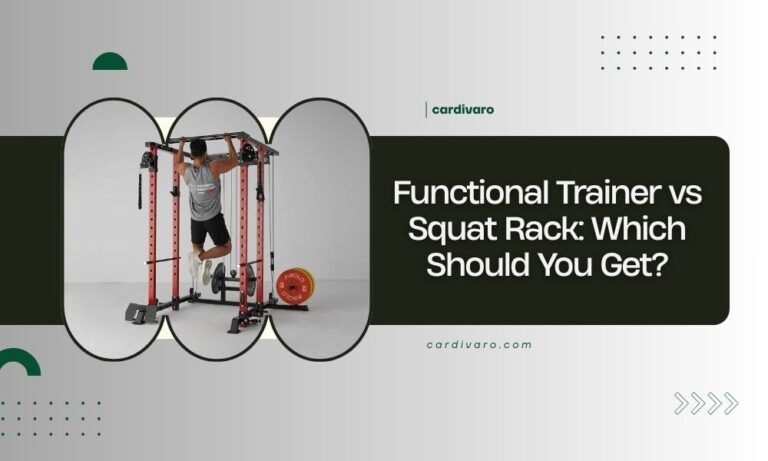
Functional trainers offer complete cable-based workouts with smooth resistance and multiple exercise options, while DIY pulley systems provide basic cable functionality at lower costs but with limited versatility.
Your choice between functional trainer vs DIY pulley systems depends on your budget, space, and workout goals – functional trainers excel for serious fitness enthusiasts, while DIY systems work for basic strength training.
What Makes Functional Trainers Different
Functional trainers use dual cable systems with weight stacks. You get smooth, adjustable resistance for hundreds of exercises. Think of it as having a complete gym in one machine.
These machines let you work every muscle group. Pull-ups, rows, chest presses, squats – you name it. The cables move independently, so you can train each arm separately or together.
Key Features of Functional Trainers
Most functional trainers include these features:
- Dual weight stacks (usually 150-200 lbs each)
- Multiple cable attachment points
- Smooth pulley systems with sealed bearings
- Pull-up bars and dip stations
- Adjustable cable heights
Weight Stack Advantages
Weight stacks give you precise resistance control. You can adjust in 10-20 lb increments. No loading plates or changing resistance bands.
The weight moves smoothly throughout your entire range of motion. This keeps constant tension on your muscles.
Understanding DIY Pulley Systems
DIY pulley systems are basic cable setups you build yourself. They typically use resistance bands, weight plates, or suspension methods for resistance.
You might mount pulleys to your ceiling, wall, or power rack. Then add handles, bands, or plates to create resistance.
Common DIY Pulley Setup Types
Popular DIY approaches include:
- Wall-mounted pulley wheels with resistance bands
- Ceiling-mounted systems using weight plates
- Power rack attachments with pulleys
- Portable pulley systems with door anchors
Resistance Options for DIY Systems
Most DIY systems use resistance bands or weight plates. Bands are lighter and safer but provide variable resistance. Weight plates give constant resistance but need more setup.
Cost Comparison Breakdown
Here’s what you can expect to spend:
| System Type | Price Range | What You Get |
|---|---|---|
| Basic DIY Pulley | $50-200 | Simple pulley, bands, handles |
| Advanced DIY Setup | $200-500 | Multiple pulleys, weight plates, rack attachments |
| Entry Functional Trainer | $800-1,500 | Dual cables, weight stacks, basic features |
| Premium Functional Trainer | $2,000-5,000 | Heavy-duty construction, advanced features |
Hidden Costs to Consider
DIY systems often need additional purchases. You might buy more resistance bands, mounting hardware, or accessories over time.
Functional trainers include most accessories upfront. You get handles, attachments, and manuals included.
Long-Term Investment Value
Quality functional trainers last 10-15 years with minimal maintenance. DIY systems might need replacement parts or upgrades more frequently.
Exercise Variety and Versatility
Functional trainers win hands-down for exercise options. You can perform 100+ different movements easily.
DIY systems are more limited. Your exercise selection depends on your pulley placement and resistance type.
Upper Body Training Comparison
Both systems handle basic upper body exercises well. Rows, chest presses, and lat pulldowns work on either setup.
Functional trainers excel at unilateral training. You can work one arm while the other rests, improving muscle imbalances.
Lower Body Exercise Options
Functional trainers make lower body cable exercises simple. Squats, lunges, and leg curls are straightforward.
DIY systems can handle these movements but might need creative positioning or additional anchor points.
Core and Stability Training
Cable-based core training works great on both systems. Wood chops, anti-rotation exercises, and Pallof presses are all possible.
Functional trainers provide more stable platforms for these movements. DIY systems might wobble or shift during intense core work.
Safety and Reliability Factors
Safety is where functional trainers really shine. They’re engineered for consistent, safe operation.
DIY systems carry more risk. Poor mounting, worn cables, or inadequate hardware can cause injuries.
Cable and Pulley Quality
Commercial functional trainers use aircraft-grade cables rated for thousands of pounds. The pulleys have sealed bearings that last years.
DIY systems often use lower-grade components. Cables might fray, and pulleys can seize up over time.
Mounting and Structural Concerns
Professional functional trainers are self-supporting. No wall or ceiling mounting required.
DIY systems need solid mounting points. You must find studs, use proper hardware, and check connections regularly.
Space and Setup Requirements
Functional trainers need dedicated floor space – typically 8×8 feet minimum. They’re heavy (300-500 lbs) and permanent fixtures.
DIY systems can be more space-efficient. Wall-mounted options take minimal floor space, and portable systems store away.
Installation Complexity
Most functional trainers arrive mostly assembled. You might need 2-4 hours for final assembly.
DIY systems vary wildly in setup complexity. Simple resistance band systems take minutes. Complex multi-pulley setups might take a full weekend.
Portability Considerations
Functional trainers are essentially permanent once installed. Moving them requires disassembly and help.
Many DIY systems offer portability. Door anchor systems, resistance bands, and portable pulleys travel easily.
Which System Fits Your Goals
Choose a functional trainer if you want maximum exercise variety and plan to use it regularly. They’re perfect for serious home gym enthusiasts.
Pick a DIY system if you’re budget-conscious, need portability, or want to try cable training without major investment.
Best Candidates for Functional Trainers
You’re a good fit for functional trainers if you:
- Work out 4+ times per week
- Want professional gym quality at home
- Have dedicated gym space
- Value convenience and reliability
When DIY Makes Sense
DIY pulley systems work well if you’re just starting out, have limited space, or enjoy building your own equipment.
They’re also great for specific training goals. Maybe you only want to add some cable rows to your barbell routine.
Conclusion
Functional trainers deliver superior versatility, safety, and convenience but cost significantly more than DIY alternatives. DIY pulley systems offer basic cable functionality at budget-friendly prices but with limitations in exercise variety and durability. Your choice should align with your workout frequency, available space, budget, and long-term fitness goals. Both options can provide effective cable-based training when properly implemented.
Can I build a DIY pulley system that matches a functional trainer’s performance?
Not completely. While you can create effective cable exercises with DIY systems, matching the smooth resistance, exercise variety, and convenience of a functional trainer would cost nearly as much as buying one.
How much weight do I need in a functional trainer for effective workouts?
Most people find 150-200 lb weight stacks per side sufficient. This provides 300-400 lbs total resistance, which covers strength training needs for the majority of users.
Are resistance bands as effective as weight stacks in pulley systems?
Resistance bands provide different resistance curves – lighter at the start, heavier at full extension. Weight stacks offer consistent resistance throughout the movement. Both build strength effectively, but weight stacks better replicate traditional weight training.
What’s the minimum ceiling height needed for DIY overhead pulley exercises?
You need at least 8-9 feet of ceiling height for comfortable overhead movements. This allows full arm extension plus cable length without hitting the ceiling during exercises like lat pulldowns.
Can functional trainers replace free weights completely?
For most people, yes. Functional trainers can replicate nearly every free weight movement while adding unique cable-only exercises. However, some powerlifters and strength athletes prefer free weights for maximum loading and specificity.