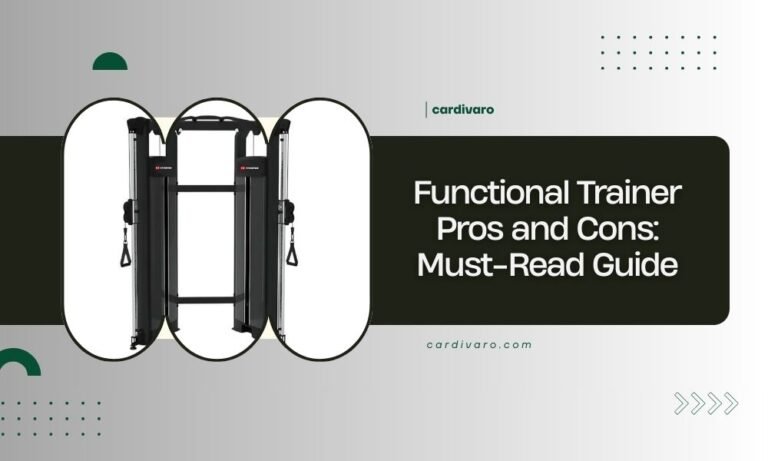
Yes, you can bench press on a functional trainer, but it will feel quite different from a traditional barbell or dumbbell bench press. You’ll use cables for resistance, which offers unique benefits and challenges. This method allows for a constant tension on your muscles.
You might be wondering if it’s as effective or if it even counts as a “real” bench press. Many people find the functional trainer provides an excellent alternative, especially for those seeking to reduce shoulder strain or add variety to their chest workouts. It’s fantastic for working your chest from multiple angles.
- Functional trainers offer a different bench press feel.
- Cables provide constant muscle tension.
- Great for reducing joint stress.
- Allows for varied angles in your chest workout.
- It’s a valid and effective alternative to free weights.
Ready to learn more? Let’s walk through exactly how you can set up and perform a bench press on a functional trainer.
Bench Pressing with a Functional Trainer
You absolutely can bench press with a functional trainer. It offers a unique resistance profile compared to traditional free weights. Think of it as a fresh way to challenge your chest muscles and build strength.
This method uses cables, which provide constant tension throughout the entire movement. This is a big difference from barbells or dumbbells, where the tension can change as you move through the lift.
Setting Up Your Functional Trainer for Bench Press
Getting your functional trainer ready for a bench press is straightforward. You’ll need to make a few adjustments to ensure proper form and safety. The goal is to mimic the path of a traditional bench press.
Choosing the Right Bench
First, you’ll need an adjustable bench. Position it directly between the two cable towers. Make sure it’s centered and stable. You don’t want any wobbling during your lifts.
An adjustable bench allows you to perform flat, incline, or decline cable bench presses. This versatility is one of the big advantages of using a functional trainer for chest work.
Adjusting Cable Pulley Height
This is a key step for proper form and muscle engagement. The height of the pulleys will determine the angle of resistance. For a standard flat bench press, set the pulleys to approximately chest height when you are lying on the bench.
If you’re doing an incline press, you’ll lower the pulleys slightly. For a decline press, you’ll raise them. Experiment to find what feels right for your body and target muscle groups.
Attaching Handles
Typically, you’ll use D-handles for your cable bench press. Attach one handle to each cable. Make sure they are securely fastened before you start your workout.
Some functional trainers might offer different handle options. Stick with a comfortable grip that allows for a natural hand position. You want to focus on your chest, not your grip.
Performing the Cable Bench Press
Once your setup is complete, it’s time to execute the movement. Remember, the goal is controlled motion and proper muscle activation. You’re looking for a smooth, consistent push.
Getting Into Position
Lie down on your bench, centered between the towers. Grab a handle in each hand. Your palms should face forward (pronated grip). Your elbows will be slightly bent.
Pull the handles to your sides, engaging your chest and shoulders. Your feet should be flat on the floor for stability. This starting position is crucial for a safe and effective lift.
Executing the Press
Exhale as you press the handles forward and upward. Imagine you’re pushing them together in front of your chest. Squeeze your chest muscles at the top of the movement.
Control the movement on the way back down. Inhale as you slowly return to the starting position. Don’t let the weights snap back. Keep the tension on your muscles throughout the entire range of motion.
Benefits of Cable Bench Pressing
Why would you choose a functional trainer over free weights? There are several compelling reasons. We found that it offers distinct advantages for many lifters (American Council on Exercise).
Constant Tension
Unlike barbells or dumbbells, cables provide resistance throughout the entire lift. There’s no “resting” at the top or bottom of the movement. This constant tension can lead to greater muscle activation and growth.
Think of it like this: with free weights, gravity pulls straight down. With cables, the resistance follows the path of the cable. This means your muscles are working harder for longer.
Reduced Joint Strain
Many people find cable exercises to be kinder on their joints, especially shoulders. The fluid movement and customizable path can alleviate pressure. This is a big plus for those with pre-existing shoulder issues.
If you’ve experienced shoulder pain with traditional bench presses, a functional trainer might be your answer. It allows you to continue training your chest without discomfort.
Versatility and Angles
A functional trainer allows for incredible versatility. You can adjust the pulley height to hit your chest from various angles. This means you can target different parts of your pectoral muscles more effectively.
You can perform flat, incline, decline, and even crossover movements all on one machine. This variety can help you develop a more balanced and aesthetic physique. It keeps your workouts interesting, too!
Improved Stability and Control
Because you’re controlling two separate handles, cable bench presses can help improve your stabilizing muscles. Each side of your body works independently, which can address muscular imbalances.
This independent movement also helps you focus on the mind-muscle connection. You can really feel your chest working through each repetition. It gives you greater control over the movement.
Potential Drawbacks and Considerations
While cable bench pressing offers many benefits, it’s also important to understand its limitations. No exercise is a perfect fit for everyone or every goal.
Less Stabilizer Engagement than Free Weights
While cables do engage some stabilizers, they typically engage fewer overall than barbells. When you bench press with a barbell, your body works hard to balance the single, heavy load. This recruits many small stabilizing muscles.
With cables, the machine provides a more guided path. This can be great for focusing on the prime movers, but it means you might miss out on some of the broad stabilization benefits of free weights. It’s a trade-off to consider.
Different Strength Curve
The strength curve of a cable bench press feels different from a free weight press. You might find you can lift less weight on a functional trainer. Don’t be discouraged by this; it’s a different kind of resistance.
The constant tension means your muscles are under stress for the entire movement. This can be challenging in its own way. Focus on good form and muscle contraction rather than the absolute weight lifted.
Not as Effective for Maximal Strength
If your primary goal is to build maximal strength (think powerlifting), cables might not be your best bet. Free weights are generally superior for pushing heavy loads and developing raw power (National Strength and Conditioning Association).
Cables are excellent for hypertrophy (muscle growth) and endurance. They are also fantastic for building a solid foundation of strength and refining muscle control. Consider your fitness goals when choosing your tools. For those focused on hypertrophy, exploring a functional trainer workout for muscle gain can provide tailored strategies.
Is Cable Bench Press Right for You?
Consider your personal fitness goals and physical condition. This exercise is a fantastic addition to most routines, but it’s not a one-size-fits-all solution. What are you hoping to achieve?
| Aspect | Functional Trainer Bench Press | Traditional Barbell Bench Press |
|---|---|---|
| Resistance Type | Constant tension via cables | Gravity-dependent, variable tension |
| Joint Strain | Generally lower, more fluid motion | Potentially higher, especially on shoulders |
| Muscle Focus | Hypertrophy, endurance, isolation | Maximal strength, power, overall mass |
| Stabilizer Work | Moderate (unilateral movement) | High (balancing a single load) |
| Versatility | Excellent (angles, different exercises) | Good (flat, incline, decline) |
This table helps illustrate the key differences. Each tool has its place in a well-rounded fitness plan. There’s no need to pick just one for life.
If you’re looking for these benefits, then the cable bench press is a great choice:
- You want to reduce stress on your shoulders.
- You aim for constant muscle tension throughout the lift.
- You want to hit your chest from a variety of angles.
- You are focused on muscle hypertrophy or endurance.
- You need an exercise to help fix muscular imbalances.
Always listen to your body. If something causes pain, stop immediately. Consult with a fitness professional or physical therapist if you have concerns.

Conclusion
Using a functional trainer for your bench press is a smart way to diversify your chest workouts. You’ll gain constant muscle tension, reduce joint stress, and hit your chest from many angles. It’s a great tool for building muscle and improving control, especially if free weights cause discomfort.
Remember, it offers different benefits than traditional barbells. It’s not about which is “better,” but which is better for your current goals. Consider adding cable bench presses to your routine to experience these unique advantages for yourself.
Frequently Asked Questions
Can a functional trainer replace a barbell bench press entirely?
A functional trainer can be a fantastic alternative or supplement, but it generally won’t replace a barbell bench press if your main goal is maximal strength. Barbells are superior for moving very heavy loads and developing raw power. Think of the functional trainer as a different, valuable tool.
Is the cable bench press good for muscle growth (hypertrophy)?
Yes, the cable bench press is excellent for muscle growth. The constant tension provided by the cables keeps your muscles engaged throughout the entire movement. This sustained effort is highly effective for stimulating hypertrophy and promoting muscle development.
What’s the best way to progress with cable bench presses?
To progress, focus on increasing the resistance gradually while maintaining perfect form. You can also increase your repetitions, sets, or reduce rest times between sets. Don’t chase the heaviest weight at the expense of proper technique.
Can beginners safely perform a cable bench press?
Absolutely, the cable bench press is very beginner-friendly. Its guided path and reduced joint strain make it safer for learning the movement pattern. Start with light resistance to master your form before increasing the weight.
How does the functional trainer help with muscular imbalances?
Since you work each arm independently with a functional trainer, it naturally highlights and helps correct muscular imbalances. Your stronger side can’t compensate for your weaker side. This leads to more balanced strength and development over time. For more targeted work, our single arm chest press tips can help you correct muscular imbalances.