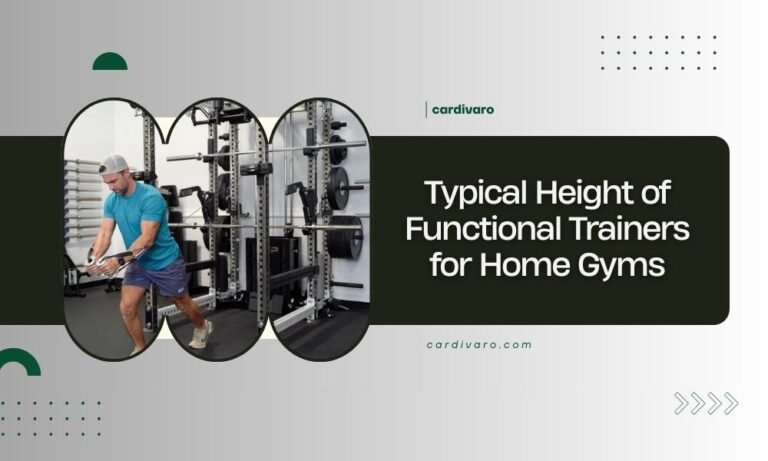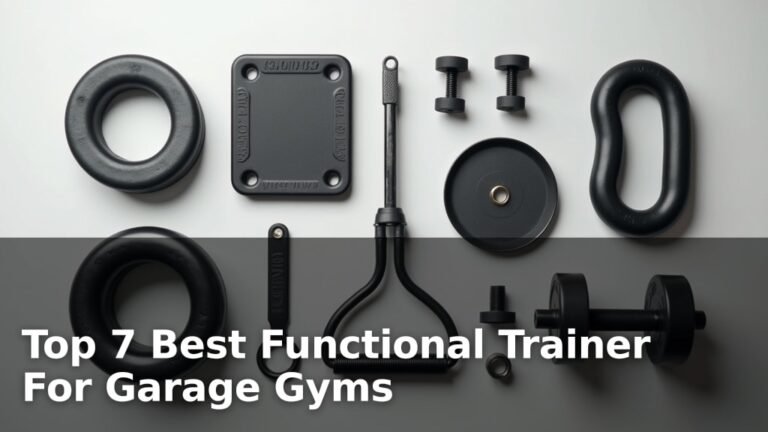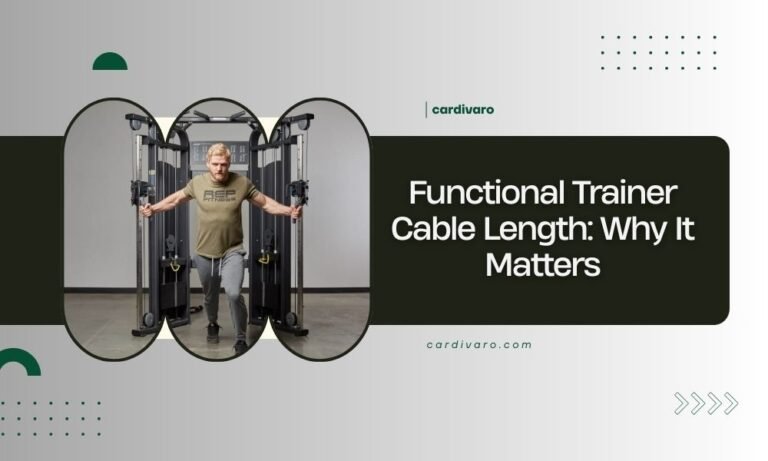
Yes, you absolutely can do squats on a functional trainer. This versatile piece of equipment lets you perform various squat variations, offering a fantastic way to build lower body strength and improve stability. You’re not limited to just barbell squats!
Functional trainers provide constant tension throughout the movement, which is different from free weights. This means your muscles work hard at every point of the squat. We found that this can lead to unique muscle activation and a great workout, especially for your glutes and quads.
- Functional trainers are great for squats.
- They offer constant tension for muscle building.
- You can do many squat variations.
- They help improve stability and strength.
Ready to add a new dimension to your leg day? Let’s walk through how to effectively incorporate squats into your functional trainer routine, helping you get stronger and more stable.
Squatting with a Functional Trainer: A Smart Approach
Yes, using a functional trainer for squats offers distinct advantages over traditional free weights or machines. We found that the cable system provides constant tension, which means your muscles are working throughout the entire movement, from top to bottom. This can lead to more effective muscle engagement and growth (American Council on Exercise).
Understanding How Cable Squats Differ
When you squat with a barbell, the resistance is mainly vertical due to gravity. The heaviest part of the lift is often at the bottom or coming out of the hole. With a functional trainer, cables provide resistance from various angles. This means you’re working against a consistent pull, which can be a real game-changer for your training.
Think of it like this: a barbell squat is like lifting a heavy box straight up. A cable squat is more like pulling a heavy object towards you, even as you move up and down. This constant pull creates a different type of challenge for your muscles.
The Benefit of Constant Tension
Constant tension means there’s no “rest” point in the movement. Your muscles, especially your quads, hamstrings, and glutes, are under load for the entire set. This can improve muscle endurance and contribute to hypertrophy (muscle growth) more effectively than exercises where tension drops off at certain points (National Strength and Conditioning Association).
It also helps with muscle activation. Many people struggle to feel their glutes working during traditional squats. The angle of resistance from a functional trainer can often help you “find” those muscles better. We found this especially true when performing movements like cable glute kickbacks, which use a similar principle.
Improved Stability and Core Engagement
Because the cables are pulling you from an external point, your body has to work harder to stabilize itself. This isn’t just about your leg muscles; your core muscles get a serious workout too. You’ll notice your abs and lower back engaging more to maintain proper form.
This enhanced stability training can translate to better balance and body control in everyday life. It’s like standing on a slightly wobbly surface – your body instinctively tightens up to keep you upright. A functional trainer provides this kind of challenge in a controlled way.
Setting Up Your Functional Trainer for Squats
Getting your functional trainer ready for squats is straightforward, but precise setup is key for safety and effectiveness. You want to make sure the cables are at the right height and that you have a secure handle or attachment. Let’s walk through the basic steps.
Choosing the Right Cable Height
The ideal cable height depends on the type of squat you’re doing and your personal preference. For most standard cable squats, a low to mid-pulley setting is common. This allows the resistance to pull slightly forward or horizontally, engaging different muscle groups than a purely vertical pull.
- Low pulley setting: Best for targeting glutes and hamstrings more directly, mimicking a “pull” from the floor.
- Mid-pulley setting (waist or chest height): Great for a more balanced full-body squat, helping with posture and core stability.
Experiment a little. What feels right for one person might not be perfect for another. Listen to your body and adjust as needed.
Selecting Attachments and Grip
There are several attachments you can use for squats on a functional trainer. The most common are a straight bar, a rope attachment, or individual D-handles.
We found that D-handles offer the most versatility. You can hold one in each hand, allowing for a more natural arm position and preventing your shoulders from being pulled forward too much. A straight bar can also work well, especially if you want to mimic holding a barbell, but the angle of pull will be slightly different.
Consider your grip. You want a firm, secure hold on the attachment. Don’t let your grip be the weakest link in your squat! Some people wear gloves for extra comfort and grip.
Mastering Squat Form with a Functional Trainer
Good form is paramount, no matter what type of squat you’re doing. With a functional trainer, there are a few nuances to keep in mind. The goal is always to keep your spine neutral, engage your core, and control the movement.
The Stance and Posture
Start with your feet shoulder-width apart, toes pointing slightly out. This is a common squat stance, but feel free to adjust it to what feels most comfortable for your body. Remember, everyone’s anatomy is a little different.
As you hold the cable attachment, take a step or two back from the functional trainer. This pre-tensions the cables, ensuring there’s resistance from the very beginning of the movement. Stand tall, pull your shoulders back slightly, and keep your chest up. Imagine a string pulling you from the top of your head towards the ceiling (Cleveland Clinic).
Executing the Movement
Initiate the squat by pushing your hips back, as if you’re sitting down in a chair. Keep your chest lifted and your gaze forward. As you descend, make sure your knees track in line with your toes – don’t let them collapse inward.
Go as deep as you comfortably can while maintaining good form. Many people aim for their hips to go below their knees, but listen to your body. Some individuals have mobility limitations that prevent this, and that’s perfectly fine.
As you stand back up, drive through your heels and squeeze your glutes at the top. The cable resistance will provide a smooth, controlled eccentric (lowering) phase and a challenging concentric (lifting) phase.
Here’s a quick checklist for your cable squat form:
- Feet shoulder-width apart, toes slightly out.
- Hips back first, like sitting in a chair.
- Knees tracking over toes, not caving in.
- Chest up, shoulders back, neutral spine.
- Engage your core throughout the movement.
- Control both the descent and ascent.
- Drive through heels, squeeze glutes at the top.
Variations of Squats You Can Do
The beauty of the functional trainer is its versatility. You’re not stuck with just one type of squat. You can adapt and modify the exercise to target different muscles or to make it more challenging. This keeps your workouts fresh and helps you overcome plateaus.
Cable Front Squats
For cable front squats, set the pulleys at chest height. Hold the D-handles with an overhand grip, allowing the cables to pull your arms forward. This setup naturally forces you to keep your torso more upright, placing a greater emphasis on your quads and core (ACSM).
It’s an excellent option if you struggle with mobility for traditional barbell front squats. The cables provide support that can help you maintain good posture throughout the lift.
Cable Goblet Squats
This variation uses a single D-handle or rope attachment held in front of your chest with both hands. Set the pulley at a low position. This setup encourages a very upright torso and can be fantastic for beginners learning the squat pattern. It’s often easier on the lower back than other variations.
We found that many people find this a more natural and comfortable way to squat when first learning with a functional trainer. It helps you focus on pushing your hips back and keeping your chest up.
Single-Leg Cable Squats (Split Squats or Lunges)
Want to challenge your balance and target each leg individually? Functional trainers are perfect for single-leg work. Set the pulley low, hold one D-handle in the opposite hand of the working leg (e.g., left hand for right leg), and step back into a split squat or lunge position.
This is fantastic for addressing muscular imbalances and improving unilateral strength. It also significantly boosts your core stability. We’ve seen great results with athletes incorporating these into their training routines for sports performance.
Integrating Functional Trainer Squats into Your Routine
So, you’re convinced functional trainer squats are worth trying. How do you fit them into your existing workout plan? They can serve as a primary squat exercise, a warm-up, or even a finisher to completely exhaust your leg muscles.
As a Primary Exercise
If you’re looking for a change from barbells or just starting out, functional trainer squats can be your main squat exercise for a phase. They offer a unique stimulus and can help you build a strong foundation of strength and stability. Aim for 3-4 sets of 8-12 repetitions, focusing on control and form.
The consistent tension can be surprisingly challenging. Don’t be surprised if you need to use lighter weight than you would with a barbell. It’s not about the weight; it’s about the quality of the movement.
Complementing Other Leg Work
Functional trainer squats also make an excellent accessory exercise. After heavy barbell squats or leg presses, you can use the functional trainer to add more volume and really burn out your muscles. The lower impact nature can be a welcome change after high-load compound movements.
They are also great for pre-exhausting muscles. For instance, do a few sets of high-rep cable squats before moving to a leg press. This can make your leg press feel heavier and ensure your target muscles are fully engaged.
Comparing Functional Trainer Squats to Other Methods
It’s helpful to see where functional trainer squats fit in the broader landscape of lower body training. They offer unique benefits that distinguish them from free weights and traditional machines. There’s no “best” option, but rather different tools for different goals.
| Squat Method | Primary Benefit | Resistance Type | Stability Required |
|---|---|---|---|
| Barbell Squats | Maximal Strength & Power | Vertical Gravity | High (Full Body) |
| Dumbbell Squats | Strength & Balance | Vertical Gravity | Medium (More Core) |
| Functional Trainer Squats | Constant Tension & Stability | Adjustable Cable Pull | High (Core & Balance) |
| Machine Squats (e.g., Leg Press) | Targeted Muscle Isolation | Fixed Path Resistance | Low (Machine Guided) |
When to Choose Functional Trainer Squats
You might opt for functional trainer squats if you’re looking to:
- Improve muscular endurance in your legs and core.
- Add a new stimulus to your leg day to break through plateaus.
- Work on improving your balance and overall stability.
- Train around certain injuries or limitations that make free weights difficult.
- Focus on muscle activation and really “feel” your glutes and quads working.
They are not a replacement for heavy barbell squats if your primary goal is maximal strength. However, they are an incredibly valuable addition to a well-rounded strength training program. Think of them as another powerful tool in your fitness toolbox.
Conclusion
You’ve seen that a functional trainer isn’t just a fancy cable machine; it’s a powerful tool for your squat training. It offers constant tension, enhances stability, and works your core like no other. By incorporating functional trainer squats, you can build impressive lower body strength and improve your overall fitness. We found that the versatility to perform various squat variations means your workouts will never be boring.
So, why not give them a try? Set up your functional trainer, choose your favorite squat variation, and experience the unique benefits for yourself. Your legs will thank you!
Frequently Asked Questions
Are functional trainer squats good for building muscle?
Yes, functional trainer squats are excellent for building muscle. The constant tension throughout the movement keeps your muscles under load for longer, which is a key factor for muscle growth. This continuous engagement can lead to more effective hypertrophy compared to exercises where tension fluctuates.
Can functional trainer squats replace barbell squats?
They can complement barbell squats very well, but they don’t necessarily replace them, especially if your goal is maximal strength. Functional trainer squats offer unique benefits like constant tension and stability work. They are a fantastic addition to a well-rounded leg routine, offering different stimuli to your muscles.
What’s the best attachment for squats on a functional trainer?
While various attachments work, we found that D-handles offer the most versatility for squats on a functional trainer. They allow for a more natural arm position and prevent your shoulders from being pulled too far forward. Experiment to see what feels most comfortable and effective for your body.
How do I set the cable height for functional trainer squats?
The ideal cable height depends on the specific squat variation you’re doing. A low to mid-pulley setting is common for standard cable squats, with low settings often targeting glutes and hamstrings more. Mid-pulley settings are great for balanced full-body squats, assisting with posture and core stability.
Are functional trainer squats better for beginners?
Functional trainer squats can be very beneficial for beginners. The guided resistance can help you learn proper squat mechanics while building strength and stability. They can also be less intimidating than free weights, allowing you to focus on form without the balance challenges of a heavy barbell.