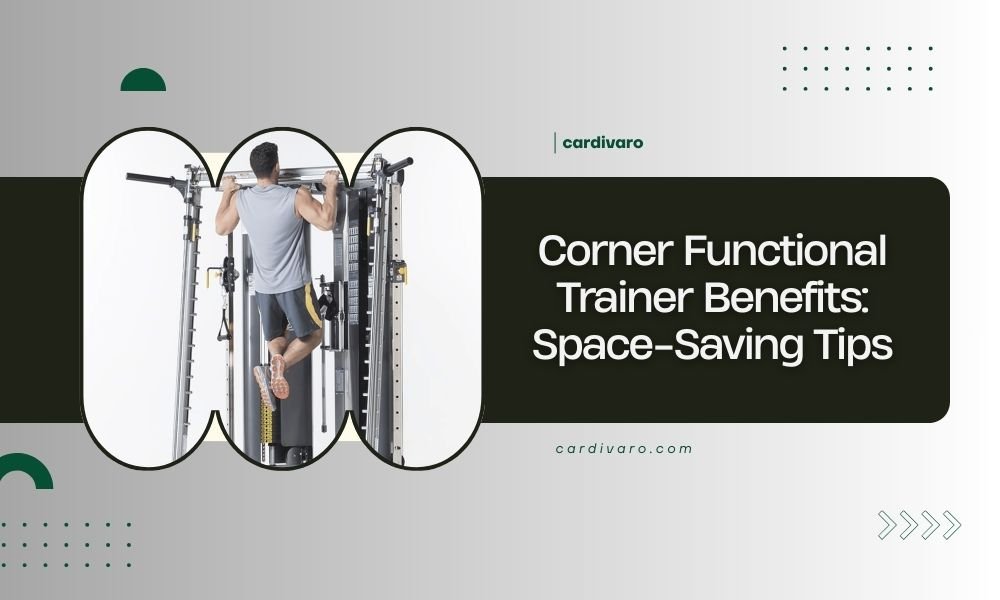
Corner functional trainers maximize home gym potential by fitting into tight spaces while delivering full-body workouts through cable-based resistance training systems.
You can save up to 75% more floor space compared to traditional gym equipment while maintaining access to over 200 exercise variations in one compact machine.
What Makes Corner Functional Trainers Different
Corner functional trainers work like having a personal gym squeezed into your room’s corner. Think of them as the Swiss Army knife of fitness equipment.
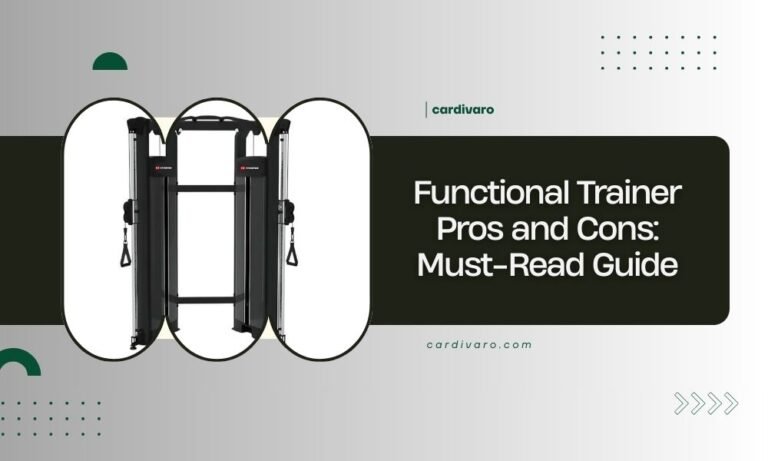
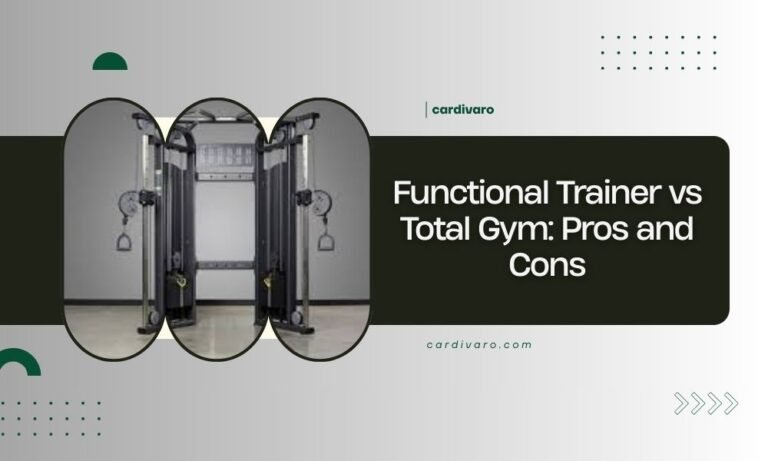
Unlike bulky weight machines that hog floor space, these units tuck neatly into corners. They use dual cable systems with adjustable pulleys. You get smooth resistance from multiple angles.
Key Design Features
Most corner trainers measure about 4 feet wide and 7 feet tall. The triangular footprint fits where other equipment can’t. Smart engineering puts the weight stack in back corners.
You’ll find dual cable columns with independent weight stacks. Each side works separately or together. This means you can train one arm while the other rests.
Space-Saving Engineering
Corner placement opens up your room’s center. You keep walking paths clear. No more stepping around equipment daily.
The vertical design stacks components upward instead of outward. It’s like building up instead of sprawling out across your floor.
Top Space-Saving Benefits
Minimal Footprint Maximum Function
A corner functional trainer typically needs just 16 square feet of floor space. Compare that to a home gym setup with separate machines eating 60+ square feet.
You can place one in bedrooms, basements, or garage corners. Even small apartments work if you have 8-foot ceilings.
Replace Multiple Machines
One corner trainer replaces lat pulldown machines, cable crossovers, and low row stations. You eliminate three separate pieces of equipment.
Research shows that cable-based training activates stabilizing muscles better than fixed machines (American Council on Exercise). You get better results from less equipment.
No Equipment Shuffle
Traditional free weights require constant setup and breakdown. You spend time loading plates, adjusting benches, and moving bars around.
Corner trainers keep everything in one spot. Quick pin adjustments change resistance instantly. No more equipment musical chairs.
Smart Placement Strategies
Choosing the Right Corner
Look for corners with at least 8 feet of ceiling height. You need clearance for overhead movements and cable extensions.
Avoid corners near windows or doors where foot traffic interrupts workouts. Back corners work best for consistent training space.
Wall Support Requirements
Most corner trainers need wall anchoring for safety. Drywall anchors work for lighter models under 300 pounds. Heavier units require wall studs.
Check your wall construction before buying. Concrete and wood frame walls handle mounting better than metal studs.
Electrical and Ventilation Needs
Basic models need no electricity. Some advanced units with digital displays require nearby outlets.
Plan for air circulation around your corner. Workouts generate heat and moisture. A small fan helps maintain comfort.
Room Layout Optimization
Place your trainer diagonal from the room’s main entrance. This keeps exercise space separate from daily traffic patterns.
Leave 6 feet of clear space in front for cable movements. You need room to step and lunge during exercises.
Exercise Variety and Efficiency
Full Body Training Options
Corner trainers support push, pull, and rotational movements. You can work every muscle group from one position.
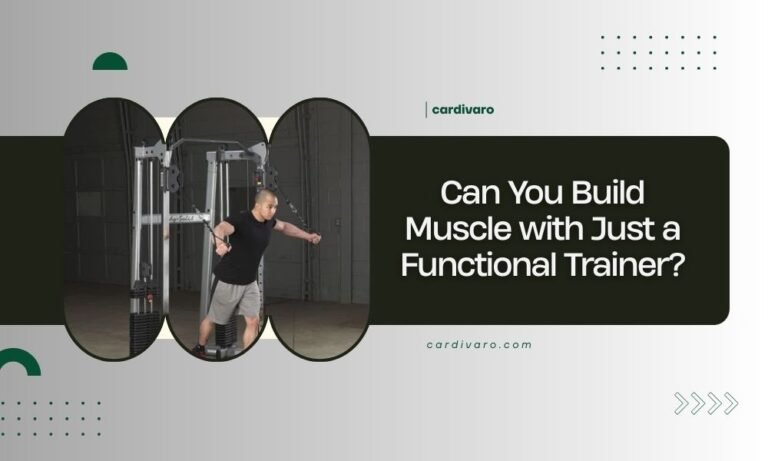
Upper body exercises include chest flies, lat pulls, and shoulder raises. Lower body options cover squats, lunges, and leg curls. Core training happens through wood chops and anti-rotation holds.
Workout Flow Benefits
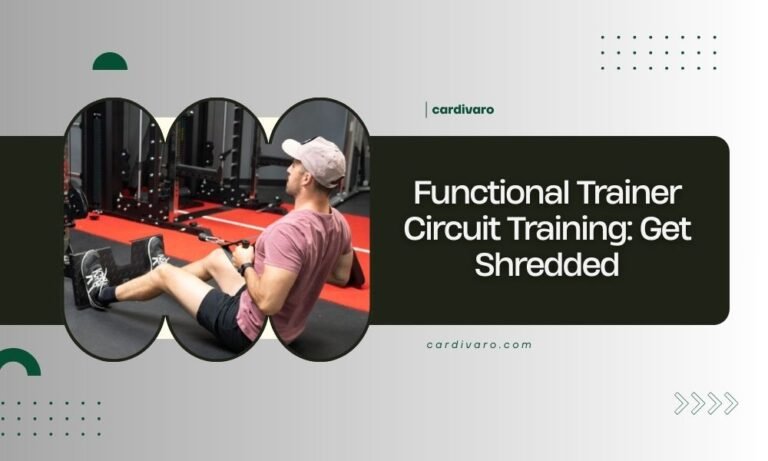
Circuit training becomes simple when everything’s within reach. You move from chest press to row to squat without walking around equipment.
Time between exercises shrinks to seconds instead of minutes. Your heart rate stays elevated for better conditioning results.
Progressive Training Capabilities
Weight stacks typically range from 10 to 200+ pounds per side. Beginners start light while advanced users get serious resistance.
Pin-loaded systems make progression smooth. Add 10-20 pounds weekly as strength improves. No buying additional weight plates.
Cost and Value Analysis
Equipment Investment Comparison
| Setup Type | Initial Cost | Space Required | Exercise Options |
|---|---|---|---|
| Corner Functional Trainer | $1,500-$4,000 | 16 sq ft | 200+ exercises |
| Multi-Machine Setup | $2,500-$6,000 | 60+ sq ft | 150 exercises |
| Free Weight System | $800-$2,500 | 40+ sq ft | 100+ exercises |
Long-Term Value Factors
Corner trainers need minimal maintenance compared to multi-part setups. Fewer moving parts mean fewer repairs over time.
Cable replacements cost $20-50 annually depending on use. Weight plates never need replacement like they would in free weight systems.
Gym Membership Alternative
Monthly gym costs average $35-80 nationwide (International Health, Racquet & Sportsclub Association). A corner trainer pays for itself within 2-4 years.
You skip commute time, monthly fees, and crowded equipment. Home training eliminates scheduling conflicts with gym hours.
Installation and Setup Tips
Pre-Installation Planning
Measure your corner space before ordering. Include ceiling height, wall width, and door clearances for delivery.
Most units ship in multiple boxes weighing 50-150 pounds each. Plan help for moving parts to your installation corner.
Assembly Considerations
Basic assembly takes 3-6 hours with two people. You’ll need common tools like wrenches, screwdrivers, and levels.
Professional assembly runs $150-300 but guarantees proper setup and safety. Many manufacturers recommend professional installation for warranty coverage.
Safety Setup Requirements
Wall anchoring prevents tipping during intense workouts. Use lag bolts into wall studs for maximum security.
Level the base carefully before final tightening. Uneven machines cause cable wear and unsafe operation.
Cable and Pulley Adjustments
Test all cable movements before your first workout. Cables should run smoothly without binding or jerking.
Adjust pulley heights for your body size. Most systems offer 10-15 height positions for different exercise angles.
Maintenance and Longevity
Routine Care Requirements
Wipe down cables and handles after each use. Sweat causes corrosion and premature wear on metal components.
Lubricate pulleys monthly with light machine oil. This keeps movements smooth and reduces noise during workouts.
Common Issues and Solutions
Cable fraying happens with heavy use over time. Inspect cables monthly for worn spots or broken strands.
Weight stack sticking usually means cleaning between plates. Dust and debris cause binding in the guide rods.
Replacement Part Availability
Major manufacturers stock cables, handles, and small parts for 10+ years. Keep your model number handy for ordering.
Generic cables work for most systems but check diameter and length specifications carefully.
Conclusion
Corner functional trainers transform small spaces into complete fitness centers. You get maximum exercise variety from minimal floor space.
Smart corner placement opens up room flow while maintaining full-body training capabilities. The investment pays off through space savings, equipment consolidation, and long-term convenience.
Your home gym dreams don’t need a dedicated room anymore. A simple corner and smart equipment choice deliver professional-level training at home.
Can corner functional trainers work in apartments?
Yes, most corner trainers work in apartments with 8+ foot ceilings and sturdy wall construction. Check lease agreements for equipment installation policies and consider noise levels for downstairs neighbors.
What’s the weight limit for corner functional trainer users?
Most corner trainers support users up to 300-400 pounds safely when properly anchored to walls. Check manufacturer specifications as limits vary by model and construction quality.
How much assembly time should I expect?
Plan 4-8 hours for two-person assembly depending on your mechanical skills and the machine’s complexity. Professional installation takes 2-3 hours but costs $150-300 extra.
Do corner trainers need special flooring?
Standard flooring works fine with rubber mats for protection and noise reduction. Concrete floors need no special prep while carpet may require plywood base plates for stability.
What’s the difference between corner and traditional cable machines?
Corner models use triangular footprints that fit in room corners while traditional units need center floor space. Both offer similar exercise options but corner designs save 40-60% more room space.