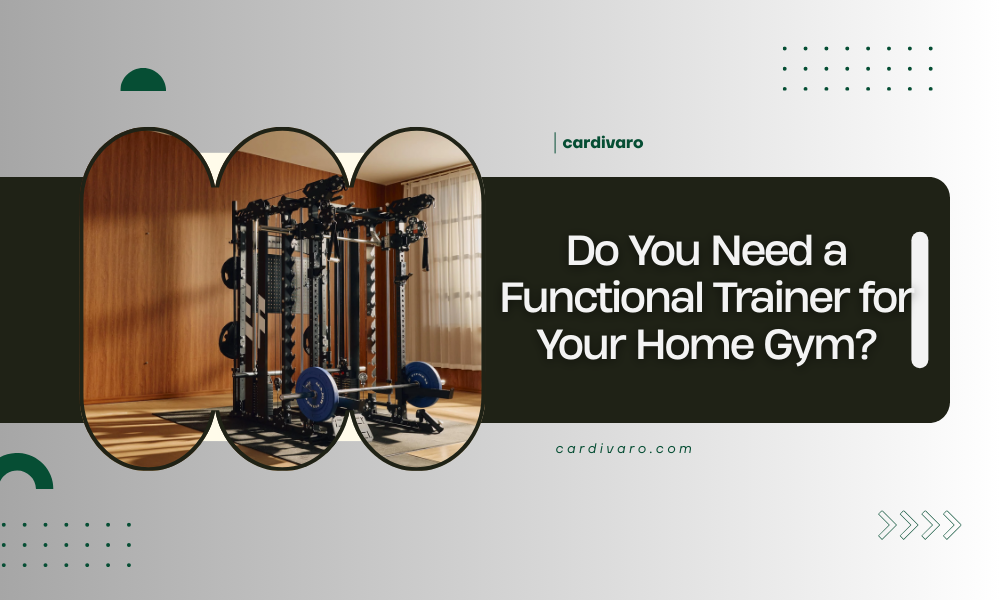
You need a functional trainer for your home gym if you want to perform cable exercises, resistance training, and full-body workouts in a compact space.
A functional trainer replaces multiple pieces of equipment by offering adjustable cable resistance, making it perfect for strength training, rehabilitation, and functional movement patterns.
What Is a Functional Trainer?
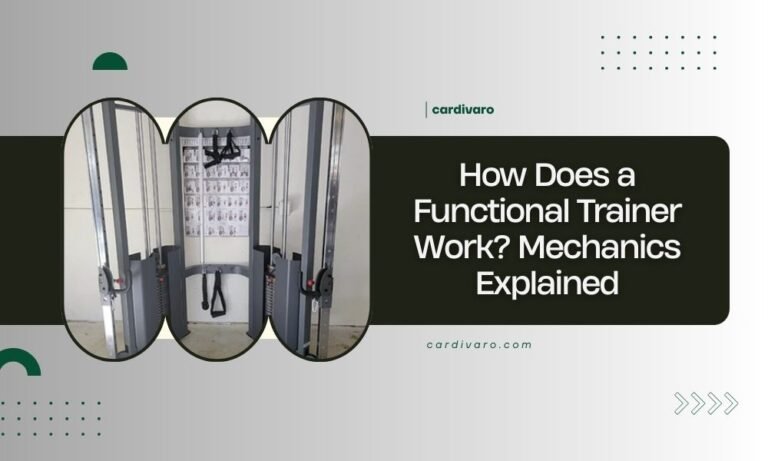
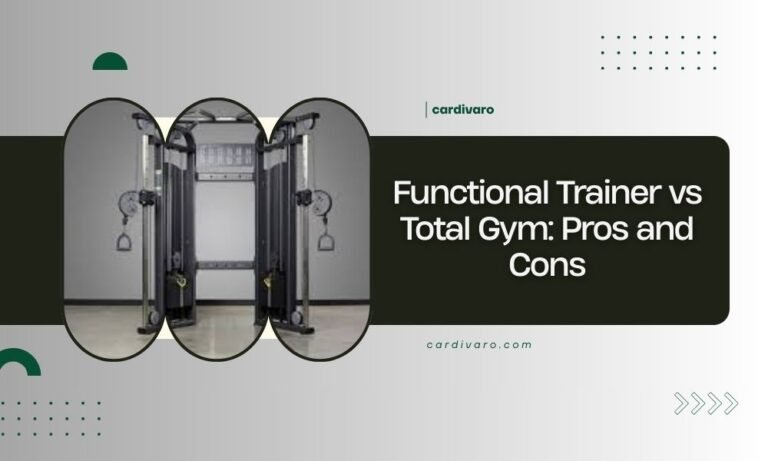
A functional trainer is a cable-based exercise machine with two weight stacks and adjustable pulleys. You can set the cables at different heights to work every muscle group.
Think of it as having a personal gym trainer that never gets tired. The machine guides your movements while you control the resistance and range of motion.
How Does It Work?
The dual cable system lets you perform pushing, pulling, and rotational movements. You can work one arm at a time or both together.
The weight stacks provide smooth resistance throughout each exercise. Unlike free weights, the tension stays constant from start to finish.
Key Components
Most functional trainers include these parts:
- Two weight stacks (usually 150-200 pounds each)
- Adjustable cable columns
- Various handle attachments
- Safety straps and clips
- Pull-up bar (on some models)
Who Should Get a Functional Trainer?
Perfect for Beginners
New to working out? A functional trainer is your best friend. The guided cable motion reduces injury risk compared to free weights.
You can start with light resistance and build up slowly. The machine teaches proper form while keeping you safe.
Great for Experienced Lifters
Seasoned athletes love functional trainers for isolation work and rehabilitation exercises. You can target specific muscles that are hard to reach with barbells.
The cables also provide constant tension, which builds muscle differently than traditional weights.
Ideal for Physical Therapy
Many physical therapists recommend cable exercises for injury recovery. The smooth resistance helps rebuild strength without jarring movements.
Research from the American Physical Therapy Association shows cable-based exercises improve functional movement patterns better than some traditional methods.
Benefits of Having a Functional Trainer
Space Efficiency
One machine replaces dozens of exercises. You can do chest presses, rows, squats, and core work all in the same spot.
Most models fit in a 6×8 foot area. That’s smaller than most bedroom closets.
Versatility
You can perform over 100 different exercises on a quality functional trainer. From bicep curls to woodchoppers, the options are endless.
Want to work your legs? Set the cables low. Need to hit your shoulders? Raise them up high.
Safety Features
No spotters needed here. The weight stack system prevents plates from falling on you. Cable exercises are generally safer than free weights for solo workouts.
Built-in Safety
The cables can’t drop suddenly like a barbell might. If you lose grip, the weight stack simply returns to its starting position.
Progressive Resistance
Most machines let you adjust weight in 10-pound increments. Some even offer 5-pound or 2.5-pound adjustments for precise progression.
Drawbacks to Consider
High Initial Cost
Quality functional trainers cost $1,500 to $5,000. That’s a big upfront investment compared to basic dumbbells.
But think about it this way: a gym membership costs $600-1,200 per year. Your trainer pays for itself in 2-4 years.
Space Requirements
You need ceiling height of at least 8 feet. The machine itself is about 7 feet tall, plus you need room to move around it.
Floor Space Needs
Plan for about 8×8 feet of total space. This includes the machine footprint plus exercise room.
Assembly Challenges
These machines are heavy and complex. Assembly usually takes 4-6 hours with two people. Many buyers hire professional installers.
Types of Functional Trainers
Standard Dual Stack
Two separate weight stacks with independent cables. This is the most common type for home gyms.
Single Stack with Splitter
One weight stack that splits into two cables. Usually more affordable but limits some exercises.
All-in-One Systems
Includes additional features like leg press, lat pulldown, or Smith machine components.
What Exercises Can You Do?
Upper Body Workouts
- Chest flies and presses
- Rowing variations
- Shoulder raises and presses
- Bicep and tricep exercises
Lower Body Training
- Cable squats and lunges
- Glute bridges and kickbacks
- Leg curls and extensions
- Calf raises
Core and Functional Movement
- Cable crunches and twists
- Woodchoppers
- Anti-rotation exercises
- Balance and stability work
Choosing the Right Model
Weight Stack Size
Most people need 150-200 pounds per stack. Stronger users might want 250+ pounds per side.
Remember, cable exercises feel different than free weights. You might use less weight than expected.
Adjustment Range
Look for machines with at least 20 different height positions. More adjustment points mean more exercise options.
Smooth Operation
Test the pulleys if possible. They should move smoothly without catching or jerking.
Build Quality
Commercial-grade machines last longer but cost more. Home models work fine for most people if used properly.
Check the weight rating. It should handle at least 300 pounds of user weight plus exercise forces.
Budget Considerations
| Price Range | Features | Best For |
|---|---|---|
| $1,000-2,000 | Basic dual stack, standard attachments | Beginners, casual users |
| $2,000-3,500 | Better build quality, more attachments | Regular users, small families |
| $3,500+ | Commercial grade, extra features | Serious athletes, heavy daily use |
Hidden Costs
Don’t forget about delivery, assembly, and potential floor reinforcement. These can add $300-800 to your total cost.
Alternatives to Consider
Resistance Bands
Much cheaper but less stable. Good for travel and basic exercises, but limited for serious strength training.
Suspension Trainers
Use your body weight for resistance. Great for functional training but won’t build maximum strength like weighted exercises.
Free Weights and Cables
A mix of dumbbells, barbells, and a simple cable machine might cost less overall.
Making Your Decision
Ask Yourself These Questions
Do you have the space and budget? Will you actually use it 3+ times per week? Are you committed to home workouts long-term?
If you answered yes to all three, a functional trainer makes sense for your home gym.
Start Small if Unsure
Try cable exercises at a commercial gym first. See if you enjoy the training style before investing thousands.
Conclusion
A functional trainer can be the centerpiece of an effective home gym. It offers unmatched versatility, safety, and convenience for users at all fitness levels. While the upfront cost is significant, the long-term value and exercise options make it worthwhile for committed home gym enthusiasts. Consider your space, budget, and fitness goals carefully before making this investment. When chosen correctly, a functional trainer will serve you well for years to come.
Do functional trainers work for building muscle?
Yes, functional trainers are excellent for building muscle through constant cable tension, progressive overload, and the ability to target muscles from multiple angles. Many bodybuilders use cable exercises as finishing moves.
How much space do I really need for a functional trainer?
You need approximately 8×8 feet of floor space and 8-9 feet of ceiling height. This includes the machine footprint plus room to perform exercises safely with full range of motion.
Can kids and elderly people safely use functional trainers?
Yes, with proper supervision and appropriate weight selection. The guided cable motion and smooth resistance make functional trainers safer than free weights for these populations.
What maintenance do functional trainers require?
Basic maintenance includes wiping down cables, checking bolts quarterly, lubricating pulleys annually, and inspecting cables for fraying. Most quality machines need minimal upkeep with regular use.
Are functional trainers better than free weights for home gyms?
Each has advantages. Functional trainers offer more safety and versatility in less space, while free weights allow heavier loads and cost less initially. The best choice depends on your experience level and goals.