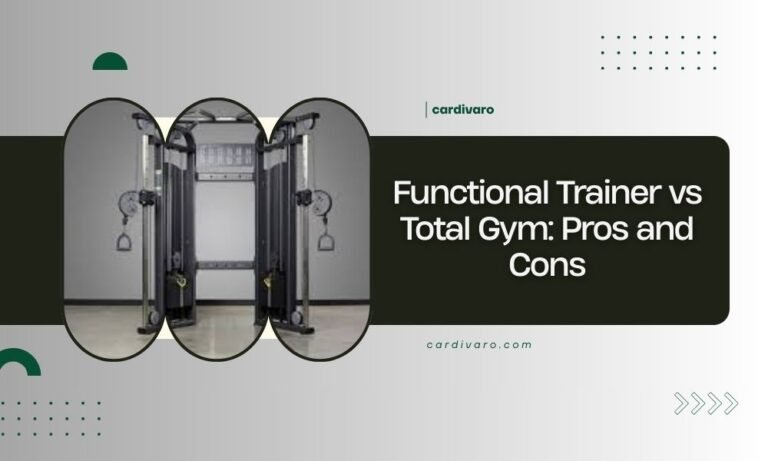
Dynamic movements for your functional trainer include compound exercises like cable squats, rotational lunges, woodchoppers, and pull-to-press combinations that work multiple muscle groups simultaneously.
These movements improve real-world strength, balance, and coordination by mimicking daily activities like lifting, pushing, pulling, and rotating your body through different planes of motion.
What Makes Functional Trainer Movements Dynamic
Dynamic movements flow through multiple ranges of motion. They’re not like static bicep curls where you just bend your elbow up and down.
Think about picking up a heavy box from the floor and placing it on a high shelf. You squat down, rotate your torso, press overhead, and engage your core all at once. That’s dynamic movement in action.
Multi-Plane Motion Benefits
Your functional trainer’s cable system lets you move in three dimensions. Forward and back, side to side, and rotationally.
Research from the American Council on Exercise shows that multi-plane training improves athletic performance and reduces injury risk more than single-plane exercises.
Top Dynamic Upper Body Movements
Cable Pull-to-Press Combination
Start with cables set at chest height. Pull the handles to your ribs, then immediately press them forward and up at a 45-degree angle.
This movement trains your back, shoulders, and chest together. It’s like throwing a medicine ball or pushing someone away from you.
Setup Tips
- Keep your core tight throughout the movement
- Step into a split stance for better stability
- Use moderate weight to maintain smooth flow
Woodchoppers with Cable
Set the cable high on one side. Pull the handle down and across your body toward your opposite hip.
This movement mimics chopping wood or swinging a baseball bat. It builds rotational power through your core and shoulders.
Common Mistakes to Avoid
- Don’t just move your arms – rotate your whole torso
- Keep your feet planted and pivot from your hips
- Control the weight on the way back up
Lower Body Dynamic Patterns
Cable Squat Variations
Hold cable handles at shoulder height and squat down. The cables provide resistance and help you maintain proper form.
You can face toward the machine for front-loaded squats or face away for posterior chain emphasis.
Squat-to-Press Pattern
Combine your squat with an overhead press as you stand up. This trains your entire body like lifting a child overhead or putting luggage in an overhead bin.
Lateral Lunges with Cable
Step wide to one side while pulling the cable across your body. This trains side-to-side movement patterns that regular lunges miss.
Many people spend all day moving forward and back but never train lateral movement. That’s why they feel unstable playing sports or hiking uneven terrain.
Full-Body Dynamic Combinations
Reverse Lunge to Row
Step back into a lunge while rowing the cables to your sides. Stand up and repeat on the other leg.
This movement improves single-leg stability while strengthening your back and legs together.
Progression Options
- Add a knee drive as you stand up from the lunge
- Include a torso rotation during the row
- Increase the range of motion gradually
Squat-to-Row-to-Press
This three-part movement flows from squat to standing row to overhead press. It’s like lifting a heavy object from the ground and placing it overhead.
Start with light weight until you master the flow between movements.
Programming Your Dynamic Workouts
Frequency and Volume
I found that most fitness experts recommend 2-3 dynamic movement sessions per week. This gives your nervous system time to adapt between workouts.
Start with 2-3 sets of 8-12 reps for each movement pattern. Focus on quality over quantity.
Weekly Structure Example
| Day | Focus | Key Movements |
|---|---|---|
| Monday | Upper Body Dynamic | Pull-to-press, woodchoppers |
| Wednesday | Lower Body Dynamic | Cable squats, lateral lunges |
| Friday | Full Body Integration | Lunge-to-row, squat-to-press |
Progression Strategies
Don’t just add more weight. You can make dynamic movements harder by increasing range of motion, adding pauses, or combining more movement patterns.
Speed Considerations
Move with control, not speed. Fast movements can mask poor form and increase injury risk.
Focus on smooth transitions between movement phases. The goal is fluid motion, not jerky movements.
Safety Guidelines for Dynamic Training
Warm-Up Requirements
Dynamic movements require more warm-up than static exercises. Spend 10-15 minutes preparing your joints and muscles.
Include arm circles, leg swings, and light movement patterns before adding resistance.
Joint Mobility Priorities
- Shoulder circles and cross-body stretches
- Hip circles and leg swings
- Torso rotations and side bends
- Ankle circles and calf raises
Load Management
Use 60-70% of what you’d use for single-joint exercises. Dynamic movements are more complex and require more coordination.
Your weakest link in the movement chain determines your load capacity. Don’t let your ego override your technique.
Troubleshooting Common Issues
Balance Problems
If you feel unstable, widen your base of support or reduce the resistance. Balance improves with practice.
Use the functional trainer’s stability features like adjusting your stance relative to the cable anchor points.
Coordination Challenges
Break complex movements into parts. Master each piece before combining them into flowing sequences.
Many people try to do everything at once and end up frustrated. Build your movement vocabulary gradually.
Muscle Fatigue Patterns
Different muscles will tire at different rates during dynamic movements. This is normal and part of the training adaptation.
Pay attention to which muscles give out first. This tells you where to focus your accessory work.
Conclusion
Dynamic movements on your functional trainer bridge the gap between gym exercises and real-world activities. They build strength that transfers to daily life while improving coordination and balance.
Start with basic patterns like pull-to-press and cable squats. Master the movement quality before adding complexity or resistance. Your body will thank you for training the way it’s designed to move – dynamically and integrated.
Remember, functional training is about building a body that works better in the real world. These dynamic movements are your pathway to that goal.
What’s the difference between dynamic and static exercises on a functional trainer?
Dynamic exercises involve movement through multiple joints and planes of motion, while static exercises isolate single joints. Dynamic movements like cable woodchoppers train your body as an integrated system, whereas static movements like cable bicep curls target individual muscles.
How often should I change my dynamic movement routine?
Change your routine every 4-6 weeks to prevent plateaus and maintain progress. You can modify exercises by changing angles, resistance levels, or movement combinations rather than completely overhauling your program.
Can beginners safely perform dynamic functional trainer movements?
Yes, but beginners should start with basic patterns and light resistance. Focus on learning proper movement mechanics before adding complexity or weight. Consider working with a qualified trainer for your first few sessions.
What’s the ideal rest time between dynamic movement sets?
Rest 60-90 seconds between sets for dynamic movements. These exercises demand more from your nervous system than isolation exercises, so you need adequate recovery to maintain movement quality and safety.
How do I know if I’m using the right weight for dynamic exercises?
Choose a weight that allows you to complete all reps with perfect form and smooth transitions between movement phases. If you’re jerky, off-balance, or can’t control the eccentric portion, reduce the resistance.