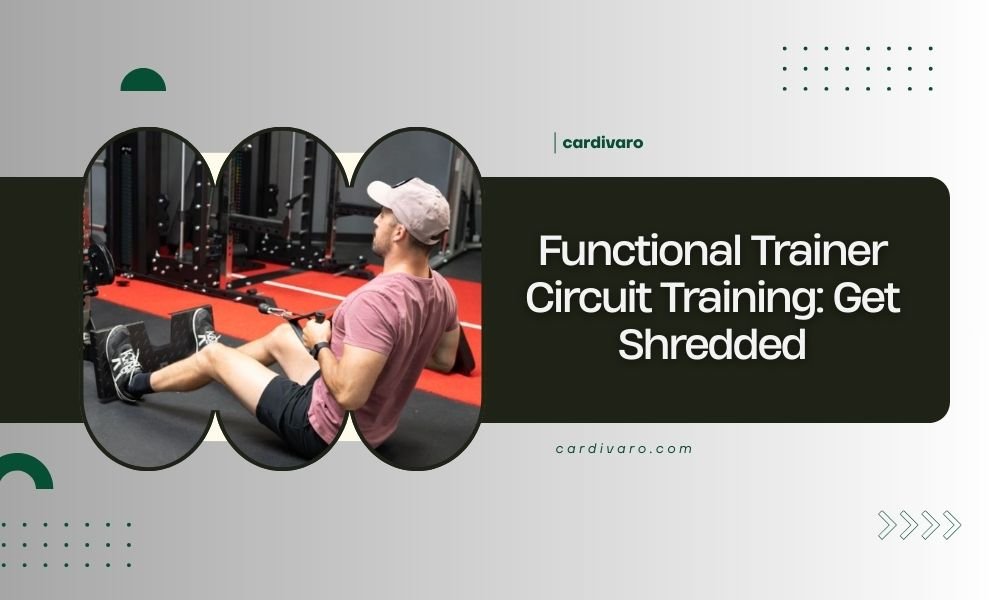
Functional trainer circuit training combines strength exercises with cardio intervals to burn fat and build lean muscle simultaneously.
You can get shredded faster by using cable machines for high-intensity circuits that target multiple muscle groups while keeping your heart rate elevated.
What Makes Functional Trainer Circuits So Effective
Your functional trainer becomes a fat-burning machine when you use it right. The constant cable tension keeps muscles engaged throughout each movement.
Circuit training with cables creates what fitness experts call “metabolic stress.” This means your body burns calories long after you finish working out.
The Science Behind Cable Circuit Training
Research from the American Council on Exercise shows circuit training can burn up to 30% more calories than traditional strength training (ACE Fitness).
Cable machines offer variable resistance. Your muscles work harder at different points in each movement. This creates more muscle fiber activation.
Setting Up Your Shredding Circuit
Start with 6-8 exercises. Work for 45 seconds, rest for 15 seconds. Complete 3-4 rounds total.
Position your cables at different heights. High, middle, and low positions target muscles from various angles.
Essential Cable Heights for Maximum Results
High Cable Position Exercises
Set cables above shoulder height. These movements target your lats, rear delts, and core stabilizers.
High-to-low movements also engage your abs as you resist the downward pull.
Mid Cable Position Exercises
Chest-height cables work your pecs, middle delts, and rhomboids perfectly.
These positions allow for the most natural movement patterns.
Low Cable Position Exercises
Low cables target your lower body and create upward resistance patterns.
Your glutes, quads, and lower back get serious activation from low cable work.
The Ultimate Fat-Burning Circuit Routine
This circuit hits every major muscle group. You’ll sweat, burn calories, and build functional strength.
| Exercise | Cable Height | Work Time | Rest Time |
|---|---|---|---|
| Cable Squat to Press | Low | 45 seconds | 15 seconds |
| High to Low Chop | High | 45 seconds | 15 seconds |
| Cable Chest Press | Mid | 45 seconds | 15 seconds |
| Single Arm Row | Mid | 45 seconds | 15 seconds |
| Cable Lateral Lunge | Low | 45 seconds | 15 seconds |
| Cable Mountain Climbers | Low | 45 seconds | 15 seconds |
Exercise Breakdown and Form Tips
Cable Squat to Press Technique
Hold both handles at shoulder height. Squat down while keeping cables steady.
As you stand up, press the handles overhead. This combines lower body and shoulder work.
High to Low Chop Execution
Start with cables high and to one side. Pull diagonally across your body to the opposite hip.
Your core does most of the work here. Keep your arms relatively straight.
Cable Chest Press Form
Face away from the machine. Step forward to create tension.
Press handles forward and together. Squeeze your chest at the peak contraction.
Advanced Circuit Variations
Once you master the basic circuit, try these challenging variations.
Unilateral Training Focus
Single-arm and single-leg exercises force your core to work overtime.
Your stabilizer muscles activate more when you work one side at a time.
Single Arm Cable Exercises
Use one handle for rows, presses, and chops. Switch arms halfway through your work interval.
This approach doubles your core engagement and fixes muscle imbalances.
Single Leg Cable Movements
Stand on one foot during upper body exercises. Your balance system goes into overdrive.
Start with 15-20 seconds per leg if you’re new to single-leg training.
Compound Movement Combinations
Link two exercises together without rest. This creates even more metabolic demand.
Upper Lower Combos
Combine a squat with a press. Or pair a lunge with a row.
Your heart rate stays elevated when you work multiple muscle groups together.
Push Pull Supersets
Do a pushing exercise followed immediately by a pulling exercise.
This approach lets one muscle group recover while the other works.
Timing Your Circuits for Maximum Fat Loss
Work-to-rest ratios determine how much fat you burn during and after your workout.
Beginner Timing Protocol
Start with 30 seconds work, 30 seconds rest. This gives you equal recovery time.
Complete 2-3 rounds your first week. Focus on learning proper form.
Intermediate Fat-Burning Protocol
Move to 45 seconds work, 15 seconds rest. This ratio challenges your cardiovascular system.
Aim for 3-4 rounds. Your muscles should feel tired by the final round.
Advanced Shredding Protocol
Try 50 seconds work, 10 seconds rest. Only attempt this after mastering proper form.
Four rounds of this protocol will push your limits and maximize calorie burn.
Common Circuit Training Mistakes
Avoid these errors that slow down your fat loss progress.
Using Too Much Weight
Circuit training isn’t about lifting maximum weight. Focus on maintaining good form throughout.
If you can’t complete 45 seconds of work, the weight is too heavy.
Resting Too Long Between Exercises
Keep transitions quick. Fifteen seconds should be enough to switch cable heights.
Long rest periods let your heart rate drop and reduce fat-burning benefits.
Conclusion
Functional trainer circuit training gives you the best of both worlds – strength building and fat burning in one efficient workout. The cable system’s constant tension and variable resistance create the perfect environment for getting shredded. Start with basic circuits and progress to advanced variations as your fitness improves. Remember to keep your work intervals challenging and rest periods brief for maximum results.
How often should I do functional trainer circuit training?
Perform circuit training 3-4 times per week with at least one rest day between sessions. Your muscles need time to recover and adapt to the training stimulus.
Can beginners safely do cable circuit training?
Yes, but start with lighter weights and longer rest periods. Master basic movement patterns before progressing to complex exercises or advanced timing protocols.
What’s the best time of day for circuit training?
Morning sessions can boost your metabolism all day, but the best time is when you can consistently stick to your routine. Consistency matters more than timing.
Should I eat before doing circuit training?
Have a light snack 30-60 minutes before training if you’re hungry. Avoid large meals within 2 hours of your workout to prevent digestive issues during intense exercise.
How do I know if I’m working hard enough during circuits?
You should feel slightly out of breath but still able to maintain proper form. Rate your effort as 7-8 out of 10 during work intervals.