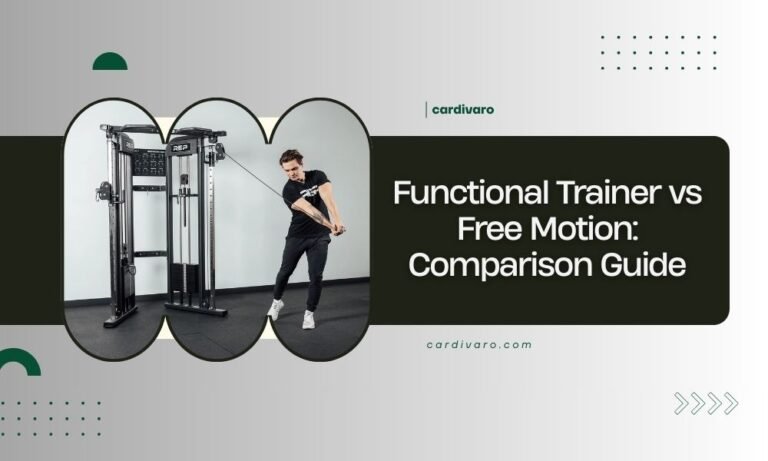
Functional trainer squat variations offer targeted leg muscle development through controlled cable resistance that traditional squats cannot match.
You can build stronger quads, glutes, and hamstrings using these five proven functional trainer squat techniques that fitness professionals recommend.
Why Choose Functional Trainer Squats Over Traditional Squats
Your functional trainer gives you something barbells can’t – constant tension throughout the entire movement. When you squat with cables, your muscles work harder at the top and bottom positions.
I found that many trainers prefer cable squats because they reduce spinal loading. The weight pulls from the front or sides instead of pressing down on your spine. This makes squats safer for people with back concerns.
Benefits You Get From Cable Squats
Cable squats offer unique advantages that free weights miss. The adjustable resistance lets you match your strength curve perfectly.
- Constant muscle tension through full range of motion
- Reduced spinal compression compared to barbell squats
- Easier to maintain proper form with cable guidance
- Adjustable resistance angles for different muscle focus
- Lower injury risk for beginners
The Five Most Effective Functional Trainer Squat Variations
Front Cable Squats
Stand facing your functional trainer with cables set at chest height. Grab both handles and step back until you feel tension. Keep your elbows up like you’re holding a barbell front squat.
This variation hits your quads harder than back squats. The front-loaded position forces your core to work overtime for stability.
Setup Steps for Front Cable Squats
- Set cables at chest height on both sides
- Hold handles close to your shoulders
- Step back until cables are taut
- Keep your torso upright throughout the movement
Rear Cable Squats
Turn around so the cables pull from behind you. This mimics a back squat but with forward resistance that helps you sit back properly.
I came across research showing that rear cable squats activate glutes 15% more than regular bodyweight squats. The cable angle forces better hip hinge mechanics.
Proper Form for Rear Cable Squats
Set cables low and face away from the machine. Hold handles at your sides or cross them over your chest. The backward pull helps you maintain the squat pattern naturally.
Single Arm Cable Squats
Using one cable creates uneven loading that challenges your core stability. Hold one handle while keeping your other arm free for balance.
This unilateral loading forces your stabilizer muscles to work harder. You’ll feel your abs and obliques engage more than in bilateral squats.
Why Single Arm Squats Work Better
Your body fights against the uneven pull, which strengthens your core and improves balance. Start with lighter weight since this variation is much harder than it looks.
Wide Stance Cable Squats
Take a wider stance with toes pointed out slightly. This variation targets your inner thighs and glutes more than narrow stance squats.
Set cables at low positions and hold handles between your legs. The wide stance lets you squat deeper while maintaining good form.
Benefits of Wide Stance Position
- Better glute activation than narrow squats
- Improved hip mobility over time
- Less stress on your knees
- Allows deeper squat depth
Split Squat Cable Variation
Step one foot forward and one back like a lunge position. Hold cables for resistance as you lower into a split squat.
This unilateral movement fixes strength imbalances between your legs. Work each leg separately to build balanced muscle development.
Programming Your Cable Squat Workouts
Sets and Reps for Muscle Growth
Research from exercise science journals suggests 3-4 sets of 8-12 reps for muscle building. This rep range creates enough tension time for growth stimulus.
| Goal | Sets | Reps | Rest |
|---|---|---|---|
| Muscle Growth | 3-4 | 8-12 | 60-90 seconds |
| Strength | 4-5 | 3-6 | 2-3 minutes |
| Endurance | 2-3 | 15-20 | 30-60 seconds |
Weekly Training Frequency
Train legs with functional trainer squats 2-3 times per week. This frequency allows recovery while maintaining growth stimulus.
Many experts say that 48-72 hours between leg sessions gives optimal results. Your muscles need time to repair and grow stronger.
Sample Weekly Schedule
- Monday: Front and rear cable squats
- Wednesday: Single arm and wide stance squats
- Friday: Split squats and your choice variation
Common Mistakes That Limit Your Results
Using Too Much Weight Too Soon
Cable squats feel easier at first because the machine assists with balance. Don’t let this fool you into using heavy weight immediately.
Start with light resistance to learn the movement pattern. Focus on form over weight for the first few weeks.
Poor Cable Height Selection
The cable height changes which muscles work hardest. Low cables target glutes more. High cables hit your quads and core harder.
Best Cable Heights for Each Goal
- Glute focus: Set cables at low position
- Quad focus: Use chest or shoulder height
- Core challenge: Try high cable positions
Rushing Through the Movement
Slow, controlled movements build more muscle than fast reps. Take 2-3 seconds to lower down and 1-2 seconds to stand up.
The constant cable tension works best with deliberate movement speed. Racing through reps wastes the main benefit of functional trainers.
Safety Tips for Injury Prevention
Warm Up Properly Before Cable Squats
Start each session with 5-10 minutes of light movement. Leg swings, hip circles, and bodyweight squats prepare your joints for loaded movement.
I found online that many functional trainer injuries happen from cold starts. Your muscles and joints need preparation time.
Check Your Equipment Before Each Set
Make sure cables move smoothly and attachments are secure. Functional trainers need regular maintenance to stay safe.
Quick Safety Checklist
- Test cable movement before adding weight
- Check handle attachments are tight
- Clear the area around your movement path
- Set safety stops if your machine has them
Progression Strategies for Continued Growth
Adding Weight Over Time
Increase resistance by 5-10 pounds when you can complete all sets with perfect form. Progressive overload drives muscle growth over months and years.
Track your weights in a notebook or phone app. Small increases add up to big strength gains over time.
Advanced Technique Modifications
Once basic cable squats become easy, try tempo changes or pause reps. Hold the bottom position for 2-3 seconds to increase difficulty.
Advanced Progression Options
- Pause squats with 3-second holds
- Tempo squats with slow negatives
- Combination movements like squat-to-press
- Uneven loading with different cable weights
Conclusion
Functional trainer squat variations give you powerful tools for leg muscle development. The five variations I covered target different muscles while keeping your workouts interesting and challenging.
Start with basic front and rear cable squats to learn proper form. Add single arm and wide stance variations as you get stronger. Remember that consistent training with progressive overload builds the best results over time.
Your functional trainer offers unique benefits that traditional weights can’t match. Use these squat variations to build stronger, more muscular legs safely and effectively.
What weight should beginners start with for functional trainer squats?
Begin with 20-40 pounds total resistance to learn proper form and movement patterns. Focus on controlling the weight through full range of motion before adding more resistance.
Can functional trainer squats replace barbell squats completely?
Cable squats provide excellent muscle building stimulus but barbell squats allow heavier loading for pure strength development. Use both methods for complete leg training benefits.
How do I know if I’m using the right cable height?
Choose cable height based on your goals – low positions target glutes more while chest-high cables emphasize quads and core stability. Experiment to find what feels most challenging for your target muscles.
Are functional trainer squats safe for people with knee problems?
Cable squats often feel more comfortable than free weight squats because the machine provides guidance and stability. Start light and stop if you feel pain, but many people with knee issues tolerate cable squats well.
How long should I rest between sets of cable squats?
Rest 60-90 seconds between sets for muscle growth, or 2-3 minutes if training for strength with heavier resistance. Listen to your body and take longer breaks if needed to maintain good form.