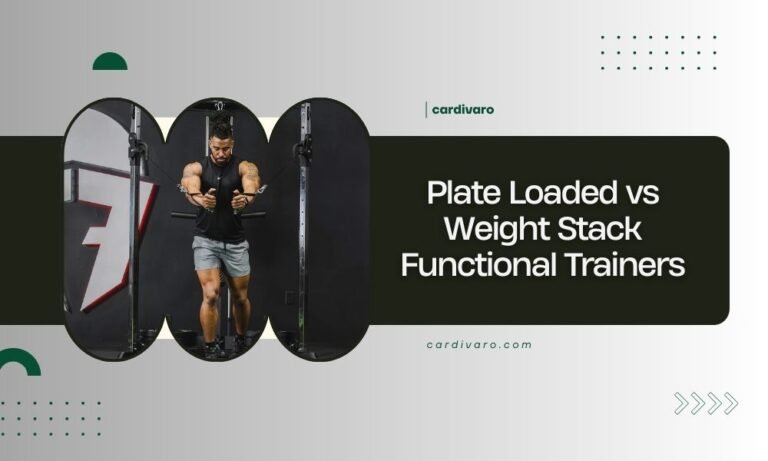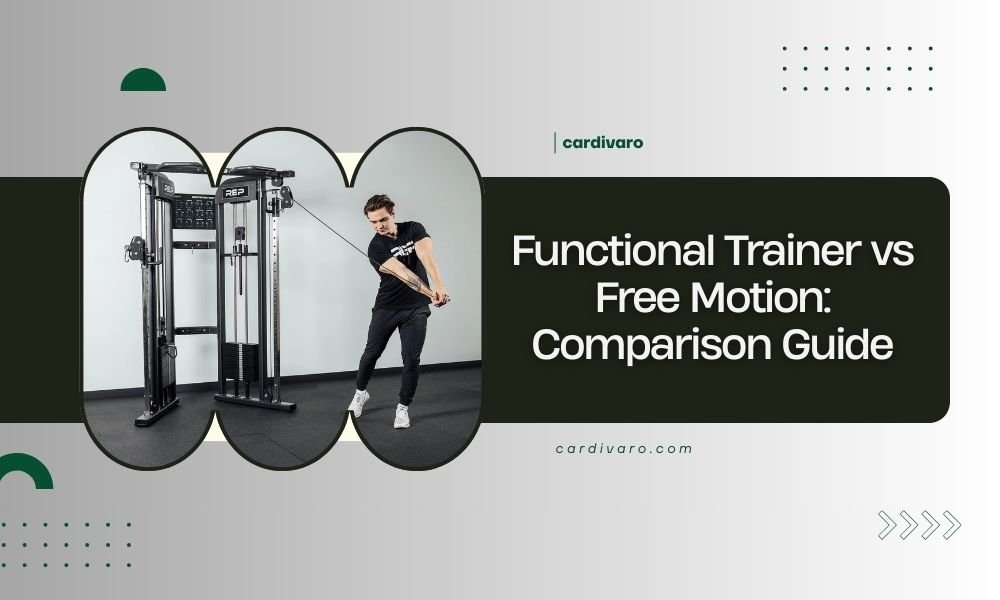
Functional trainers offer cable-based resistance with multiple anchor points, while Free Motion machines use independent cable systems that move in three dimensions.
Both functional trainer and Free Motion equipment excel at building real-world strength, but they differ in cable movement, exercise variety, and price points.
What Is a Functional Trainer?
A functional trainer uses adjustable cable pulleys mounted on a sturdy frame. You can move the pulleys up and down to different heights. This lets you work muscles from various angles.
Think of it like having a gym cable machine at home. The cables provide smooth resistance throughout each movement. You can do chest presses, rows, squats, and dozens of other exercises.
How Functional Trainers Work
Most functional trainers have weight stacks or plates for resistance. You adjust the weight by moving a pin or adding plates. The pulleys guide the cables in straight lines or slight arcs.
The key benefit? You can train movement patterns instead of just individual muscles. This builds strength you actually use in daily life.
What Is Free Motion Equipment?
Free Motion machines take cable training to the next level. Instead of fixed pulley paths, these machines let cables move freely in all directions. You get true 3D movement.
Picture a cable that can follow your natural movement patterns perfectly. That’s what Free Motion technology delivers. The cables adjust automatically as you move.
Free Motion Technology Explained
Free Motion uses patented cable systems that pivot and rotate. The cables can move up, down, forward, back, and side to side. This matches how your body naturally moves.
Research from the American Council on Exercise shows that 3D movements activate more muscle fibers than fixed-path exercises. Free Motion capitalizes on this principle.
Key Differences Between Systems
Movement Patterns
Functional trainers guide your movements along predictable paths. You get excellent control and can focus on proper form. This works great for beginners.
Free Motion allows complete freedom of movement. Your muscles must work harder to stabilize and control the resistance. This builds better coordination but requires more skill.
Exercise Variety
Both systems offer hundreds of possible exercises. Functional trainers excel at traditional strength moves with a stability challenge. You can easily replicate gym exercises.
Free Motion shines for sport-specific training and rehabilitation. The unrestricted movement lets you practice golf swings, tennis serves, or throwing motions with resistance.
Popular Functional Trainer Exercises
- Chest presses and flyes
- Lat pulldowns and rows
- Squats and lunges
- Shoulder presses
- Core rotations
Common Free Motion Movements
- Sport-specific patterns
- Multi-plane reaches
- Balance challenges
- Rehabilitation exercises
- Functional daily movements
Space and Setup Requirements
Functional Trainer Space Needs
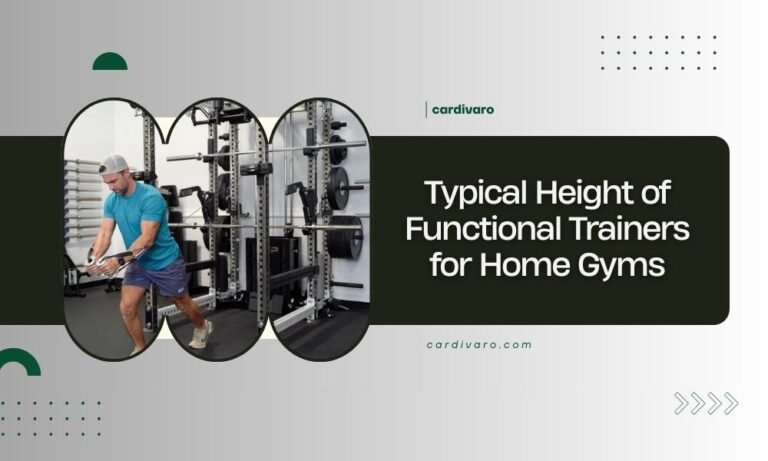
Most functional trainers need about 8×8 feet of floor space. You also need clearance above and around the machine for full range of motion.
The footprint stays consistent because the cables follow set paths. You can plan your gym layout precisely.
Free Motion Space Considerations
Free Motion machines often require more space because movements extend in all directions. Plan for at least 10×10 feet, sometimes more.
The unpredictable cable paths mean you need extra clearance. Make sure nothing breakable sits nearby.
Cost Comparison
| Equipment Type | Entry Level | Mid Range | High End |
|---|---|---|---|
| Functional Trainer | $800-1,500 | $1,500-3,000 | $3,000-6,000 |
| Free Motion | $2,000-4,000 | $4,000-8,000 | $8,000-15,000 |
Why the Price Difference?
Free Motion technology costs more to manufacture. The complex cable systems and patented mechanisms drive up prices. You’re paying for engineering innovation.
Functional trainers use simpler pulley systems. This keeps costs down while still delivering excellent workouts.
Who Should Choose Functional Trainers?
Best for Beginners
New exercisers benefit from the guided movement patterns. You can focus on learning proper form without fighting unstable cables.
The predictable resistance helps build confidence. You know exactly what to expect from each exercise.
Budget-Conscious Buyers
Functional trainers deliver outstanding value. You get versatile training options without breaking the bank.
Many quality options exist under $2,000. This makes home gym dreams more accessible.
Perfect for These Goals
- General strength building
- Weight loss
- Muscle building
- Basic functional movement
Who Benefits from Free Motion?
Athletes and Advanced Users
Sports performance improves when you train movement patterns that match your activity. Free Motion excels here.
Advanced lifters appreciate the extra challenge of stabilizing unrestricted resistance. This builds strength in ways traditional weights can’t match.
Rehabilitation and Therapy
Physical therapists often prefer Free Motion for patient treatment. The natural movement patterns support healing and recovery.
Research from the Journal of Sports Rehabilitation shows that 3D training improves functional outcomes better than fixed-plane exercises.
Ideal Applications
- Sport-specific training
- Injury rehabilitation
- Advanced strength building
- Balance and coordination
Maintenance and Durability
Functional Trainer Upkeep
Simple pulley systems need minimal maintenance. Regular cleaning and occasional cable replacement keep things running smoothly.
Most quality functional trainers last 10-15 years with proper care. The straightforward design means fewer parts can break.
Free Motion Maintenance
Complex cable systems require more attention. The moving parts need regular lubrication and adjustment.
Professional servicing may be necessary for major repairs. Factor this into your long-term costs.
Making Your Decision
Choose Functional Trainer If You Want
- Lower upfront cost
- Easier learning curve
- Reliable, simple operation
- General fitness goals
Choose Free Motion If You Need
- Sport-specific training
- Advanced movement patterns
- Rehabilitation applications
- Maximum exercise variety
Consider Your Space
Measure your available area carefully. Free Motion machines often need more room but offer unique training benefits.
Think about ceiling height too. Some exercises require overhead clearance.
Conclusion
Both functional trainers and Free Motion machines build real-world strength better than traditional weight machines. Your choice depends on budget, training goals, and experience level.
Functional trainers offer excellent value and ease of use. They’re perfect for most home gym owners who want versatile, effective workouts without complexity.
Free Motion systems provide unmatched movement freedom and training variety. Athletes, advanced users, and rehabilitation clients benefit most from this technology.
Consider your priorities carefully. Either choice will transform your training and help you build strength that transfers to daily life.
Can you build muscle effectively with both functional trainers and Free Motion machines?
Yes, both systems provide sufficient resistance and exercise variety for muscle building. The cable-based resistance creates constant tension throughout each movement, which promotes muscle growth effectively.
Are Free Motion machines worth the extra cost for home users?
For most home users, functional trainers provide better value. Free Motion systems justify their higher cost mainly for athletes, advanced trainees, or those with specific rehabilitation needs.
How much weight resistance do these machines typically offer?
Functional trainers usually provide 150-200 pounds of resistance per side. Free Motion machines often offer similar weight stacks, though some commercial models go higher.
Which system is better for seniors or people with joint issues?
Both systems work well for joint-friendly exercise because cables provide smooth, controlled resistance. Free Motion may offer slight advantages for rehabilitation due to its natural movement patterns.
Do these machines require professional installation?
Most functional trainers can be assembled at home with basic tools. Free Motion machines often benefit from professional installation due to their complex cable systems and precise calibration requirements.