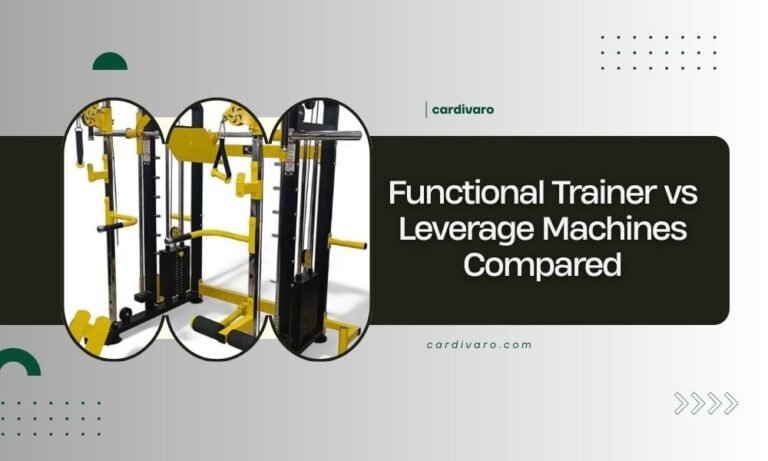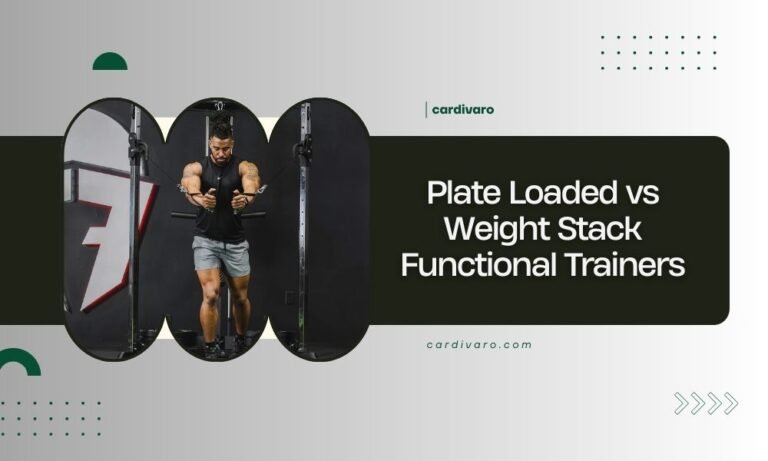
Functional trainers offer more exercise variety and full-body workout options compared to lat pulldown machines, which focus primarily on back and arm development.
Your choice between a functional trainer vs lat pulldown depends on your space, budget, and fitness goals – functional trainers cost more but provide greater versatility.
What Is a Functional Trainer?
A functional trainer uses two independent weight stacks with adjustable cable columns. You can move the pulleys up and down to target different muscle groups.
Think of it as having a complete gym in one machine. You can do chest flies, rows, squats, and dozens of other exercises.
Key Features of Functional Trainers
Most functional trainers include these features:
- Two weight stacks (usually 150-200 pounds each)
- Multiple pulley positions (7-19 height adjustments)
- Various handle attachments
- Pull-up bars on top
- Optional accessories like benches
Popular Functional Trainer Brands
I found that Freemotion, Life Fitness, and Inspire Fitness make some of the most reliable units. These brands appear frequently in commercial gyms.
What Is a Lat Pulldown Machine?
A lat pulldown machine has one overhead pulley system with a weight stack. You sit on a bench and pull a bar down toward your chest.
It’s designed specifically for your latissimus dorsi muscles – those big muscles that give you a V-shaped back.
Main Components of Lat Pulldown Machines
Every lat pulldown includes:
- Single weight stack
- Overhead pulley system
- Padded seat with thigh supports
- Long bar attachment
- Sometimes includes low row capability
Exercise Options on Lat Pulldowns
You can do these exercises on most lat pulldown machines:
- Wide grip lat pulldowns
- Close grip pulldowns
- Reverse grip pulldowns
- Seated cable rows (if equipped)
- Tricep pushdowns
Muscle Groups: What Each Machine Targets
Functional Trainer Muscle Coverage
Functional trainers work your entire body. Research shows cable exercises activate stabilizer muscles better than fixed machines (American Council on Exercise).
You can target these muscle groups:
- Back and lats
- Chest and shoulders
- Arms and forearms
- Core and abs
- Legs and glutes
Full Body Integration
The beauty of functional trainers? You can work multiple muscle groups at once. Try a wood chop exercise – it hits your core, shoulders, and legs simultaneously.
Lat Pulldown Muscle Focus
Lat pulldowns primarily target your upper body pulling muscles:
- Latissimus dorsi (main target)
- Rhomboids and middle traps
- Rear deltoids
- Biceps
- Lower traps
Limited Range But Deep Focus
You won’t get full-body workouts, but lat pulldowns excel at building back strength and width.
Cost Comparison: Budget Considerations
Functional Trainer Pricing
Expect to pay $1,500 to $5,000 for a quality functional trainer. Commercial-grade units can cost $8,000 or more.
I found that entry-level home models start around $1,200, but you’ll want better build quality if you plan to use it daily.
What Affects Functional Trainer Prices
- Weight stack capacity
- Number of pulley positions
- Frame construction quality
- Included accessories
- Brand reputation
Lat Pulldown Machine Costs
Lat pulldown machines cost $400 to $2,500. You can find decent home units for $600 to $1,200.
The price difference is significant. You could buy two good lat pulldown machines for the cost of one functional trainer.
Space Requirements: Which Fits Your Home Gym?
Functional Trainer Footprint
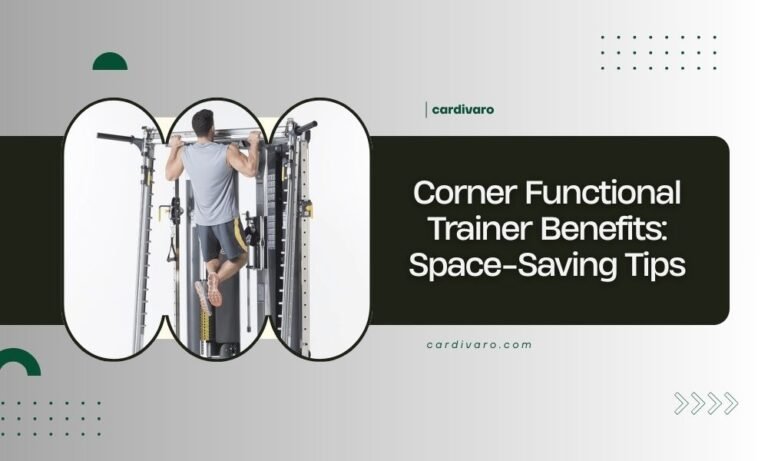
Most functional trainers need about 8 feet by 8 feet of floor space. You’ll want 9-foot ceilings for overhead exercises.
They’re tall machines – usually 7 to 8 feet high. Make sure you measure your ceiling height first.
Compact Functional Trainer Options
Some brands make smaller units for tight spaces. These sacrifice some features but still offer good exercise variety.
Lat Pulldown Space Needs
Lat pulldown machines need roughly 4 feet by 6 feet of space. They’re more compact and fit easier in basements or spare rooms.
Ceiling height matters here too – you need clearance for the overhead movement.
Exercise Variety: Versatility Matters
Functional Trainer Exercise Count
I came across studies showing you can do 50+ different exercises on most functional trainers. That’s like having multiple machines in one unit.
Popular exercises include:
- Cable crossovers
- Face pulls
- Cable squats
- Standing rows
- Cable curls
Creative Exercise Combinations
You can create unique compound movements. Try combining a squat with a shoulder press – it’s impossible on a lat pulldown machine.
Lat Pulldown Exercise Limitations
Lat pulldowns offer maybe 6 to 10 different exercises. You’re mainly limited to pulling movements from above or below.
That’s not necessarily bad – specialization has its place in fitness.
Which Machine Builds More Muscle?
Functional Trainer Muscle Building
Research from the International Journal of Sports Physical Therapy shows cable exercises can build muscle as effectively as free weights when load and volume match.
The constant tension from cables keeps muscles working throughout the entire range of motion.
Lat Pulldown Muscle Development
Lat pulldowns excel at building back width and strength. Many bodybuilders consider them essential for developing the classic V-taper physique.
The focused nature means you can really overload your lats with heavy weight.
Beginner vs Advanced: Which Is Right for You?
Beginners and Functional Trainers
New exercisers might feel overwhelmed by all the options. Where do you even start with 50+ possible exercises?
But the learning curve pays off. You’ll develop better movement patterns and coordination.
Getting Started Tips
Focus on basic movements first. Master rows, presses, and squats before trying complex exercises.
Beginners and Lat Pulldowns
Lat pulldowns are more straightforward for beginners. Sit down, grab the bar, pull down. Simple.
You can focus on perfect form without worrying about balance or coordination.
Maintenance and Durability
Functional Trainer Upkeep
More moving parts mean more potential maintenance issues. Cable systems need regular inspection and occasional replacement.
I found that quality brands typically require minimal maintenance if you follow basic care guidelines.
Lat Pulldown Maintenance
Simpler machines usually mean fewer problems. Most lat pulldowns just need occasional cable lubrication and weight stack cleaning.
Making Your Decision
Choose a Functional Trainer If You:
- Want maximum exercise variety
- Have space and budget for a larger machine
- Prefer full-body workouts
- Like trying new exercises
- Want to replace multiple machines
Choose a Lat Pulldown If You:
- Focus mainly on upper body development
- Have limited space or budget
- Prefer simple, focused workouts
- Want to build a strong, wide back
- Like traditional bodybuilding exercises
Conclusion
The functional trainer vs lat pulldown choice comes down to your priorities. Functional trainers offer unmatched versatility but cost more and take up more space. Lat pulldowns excel at building back strength but limit your exercise options.
Think about your long-term fitness goals. If you want variety and full-body training, invest in a functional trainer. If you’re focused on upper body development and prefer simplicity, a lat pulldown machine makes more sense.
Either choice will serve you well if it matches your needs, space, and budget. The best machine is the one you’ll actually use consistently.
Can you do lat pulldowns on a functional trainer?
Yes, functional trainers can perform lat pulldown exercises using the high pulley position. You won’t have the same seated setup, but you can do standing or kneeling lat pulldowns with similar muscle activation.
Which machine is better for small home gyms?
Lat pulldown machines are better for small spaces, requiring about half the floor space of functional trainers. They also cost less, leaving room in your budget for other equipment like dumbbells or a bench.
Do functional trainers replace the need for free weights?
Functional trainers can replace many free weight exercises but not all. You might still want dumbbells for certain movements and barbells for heavy compound lifts like deadlifts and squats with maximum loading.
How much weight do you need on each machine?
For lat pulldowns, aim for at least your body weight in resistance. Functional trainers work well with 150-200 pounds per stack since you’re often working one side at a time or doing lighter isolation exercises.
Which machine lasts longer with heavy use?
Quality lat pulldown machines typically last longer due to their simpler design with fewer moving parts. Functional trainers have more cables and pulleys that may need replacement over time, but both can last decades with proper maintenance.