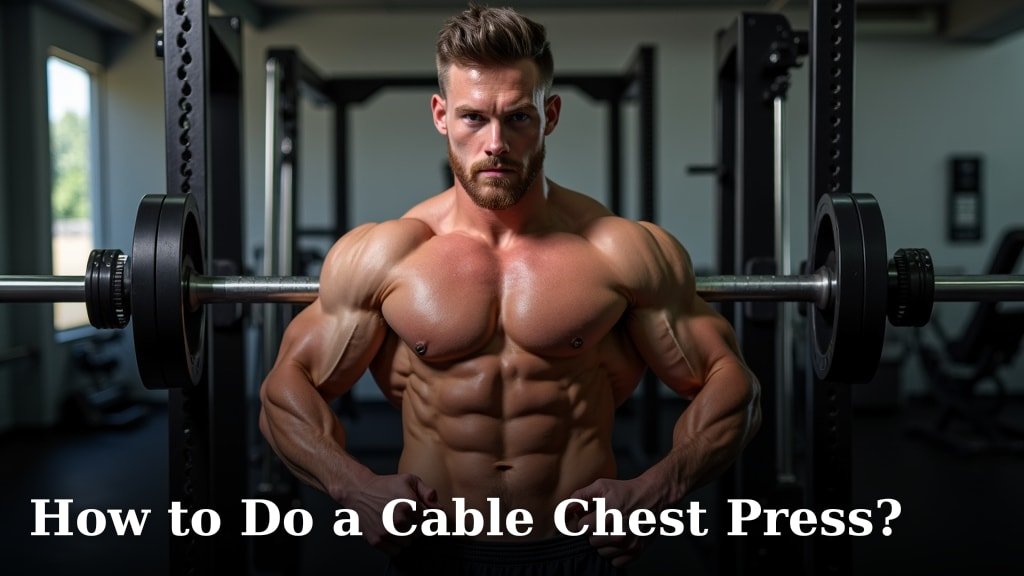
To do a cable chest press, you’ll want to set the pulleys to chest height and stand centered between them, grasping each handle. Then, press the handles straight out in front of your chest, bringing them together in the middle. Focus on squeezing your chest muscles as you extend your arms.
This exercise offers a consistent tension throughout the movement, which is great for muscle growth. It’s a fantastic way to build strength and definition in your pectorals. You’ll find it’s a solid alternative to dumbbell or barbell presses, too.
- Set up the cable machine correctly.
- Grip the handles firmly.
- Maintain a stable posture.
- Execute the press with control.
- Focus on your chest muscles.
Ready to try it yourself? Let’s walk through exactly how to do a cable chest press, step by step, ensuring you get the most out of every repetition.
Mastering the Cable Chest Press Technique
The cable chest press is a superb exercise for targeting your pectoral muscles. Getting the setup right is key to success. We’ll guide you through each step for maximum benefit.
Setting Up Your Cable Machine
Proper machine setup ensures you hit the right muscles and stay safe. Don’t rush this part. It makes all the difference.
Adjusting Pulley Height
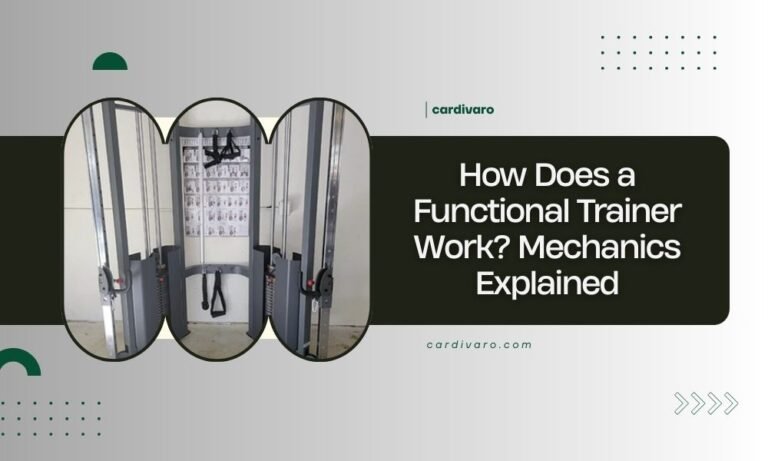
The first thing you’ll do is adjust the pulleys. You want them at about chest height. This means they should be in line with your sternum when you’re standing. If they’re too high or too low, you won’t get the best muscle activation.
- Stand facing the machine.
- Locate the adjustment pin on each tower.
- Move the pins to bring the pulleys to mid-chest level.
- Double-check that both pulleys are at the same height.
Selecting the Right Weight
Choosing your weight wisely is important. You want a weight that challenges you but lets you keep good form. Start lighter if you’re unsure. You can always increase it.
Think about your goals. Are you building strength or endurance? This influences your weight choice. Many fitness experts suggest starting with a weight you can comfortably lift for 10-12 repetitions.
Proper Body Positioning
Once the machine is ready, it’s time to get yourself into position. This is where you prepare for the movement itself. Your stance and posture are crucial.
Finding Your Stance
Stand directly in the middle of the cable machine. You’ll be between the two weight stacks. Take a small step forward, away from the machine. This creates tension in the cables right away.
A slight forward lean is natural. You can use a staggered stance (one foot slightly in front of the other) for added stability. This helps brace your core and prevents you from being pulled backward.
Grasping the Handles
Grab a handle in each hand. Your palms should face down or slightly inward. Make sure your grip is firm but not too tight. You don’t want to strain your wrists.
Some people like to take a step or two back after gripping. This also helps pre-tension the cables. Just make sure you maintain your balanced stance.
Executing the Press
Now for the main event: the press itself. This is where you’ll engage your chest muscles. Remember, control is key, not speed.
The Starting Position
With handles in hand, your arms should be slightly bent at the elbows. Your hands will be roughly level with your chest, just outside your shoulders. You should feel a stretch in your chest muscles (Cleveland Clinic).
Keep your shoulders back and down. Avoid shrugging them up towards your ears. Your chest should be open and proud. This protects your shoulders and focuses the work on your pecs.
The Pressing Movement
Press the handles straight forward, bringing your hands together in front of your chest. Imagine you’re trying to clap your hands together. As you do this, consciously squeeze your chest muscles.
Don’t let your elbows lock out completely at the end of the movement. Maintain a slight bend. This keeps tension on the muscle. Breathe out as you press.
The Controlled Return
Slowly and with control, let the handles return to the starting position. Resist the pull of the cables. This negative part of the movement is just as important for muscle growth.
Don’t let the weights crash down. Keep that slight bend in your elbows. Breathe in as you return. You should feel a good stretch across your chest as you extend your arms back (National Institutes of Health).
Common Mistakes to Avoid
Even simple exercises can be done incorrectly. Watch out for these common errors to get the most from your cable chest press.
Using Too Much Weight
If you find yourself arching your back or struggling to control the movement, the weight is probably too heavy. This puts strain on your spine and shoulders. Lower the weight and focus on perfect form.
Rushing the Movement
Speed isn’t your friend here. A fast, uncontrolled movement reduces muscle engagement. It also increases injury risk. Focus on a smooth, deliberate motion.
Shrugging Your Shoulders
Allowing your shoulders to come up towards your ears takes tension away from your chest. It also puts stress on your neck and upper traps. Always keep your shoulders down and back.
Benefits of the Cable Chest Press
Why choose the cable chest press? It offers some unique advantages compared to other chest exercises.
| Benefit | Explanation |
|---|---|
| Constant Tension | Cables provide resistance throughout the entire range of motion, unlike free weights where tension can vary. |
| Joint Friendly | The controlled, fluid motion is often easier on your joints than heavy barbell presses. |
| Muscle Isolation | Easier to focus on squeezing and isolating the chest muscles. |
| Versatility | You can adjust the angle of the press (high, middle, low) to target different parts of your chest. |
Cable Chest Press Checklist
Use this quick list to make sure you’re doing everything right for your cable chest press.
- Are pulleys at chest height?
- Is the weight challenging but manageable?
- Are you standing centered with a stable stance?
- Is your grip firm?
- Are your shoulders back and down?
- Are you squeezing your chest with each press?
- Is your movement slow and controlled?
Conclusion
You now have all the tools to confidently perform a cable chest press. Remember, focusing on proper setup, controlled movement, and engaging your chest muscles will maximize your results. This exercise is fantastic for consistent tension and building pectoral definition, providing a great alternative to traditional presses.
By avoiding common mistakes like using too much weight or rushing your reps, you’ll protect your body and enhance muscle growth. Take this knowledge to your next gym session and start strengthening your chest with precision and purpose. Your pecs will thank you!
Frequently Asked Questions
What’s the best way to breathe during a cable chest press?
You should exhale as you press the handles forward, squeezing your chest muscles. Then, inhale slowly and deeply as you control the handles back to the starting position. This controlled breathing helps stabilize your core and ensures proper muscle engagement.
Can I do a cable chest press if I have shoulder issues?
The cable chest press is often more joint-friendly than barbell presses because of its controlled motion. However, if you have existing shoulder issues, it’s always best to consult with a doctor or physical therapist first. They can advise if this exercise is suitable for your specific condition.
How many sets and reps should I do for a cable chest press?
For muscle growth and strength, aim for 3-4 sets of 8-12 repetitions. If your goal is endurance, you might do higher reps, around 15-20 per set. Always choose a weight that allows you to maintain perfect form throughout all your reps.
What’s the difference between a high, middle, and low cable chest press?
Adjusting the pulley height changes which part of your chest is emphasized. A middle press (pulleys at chest height) targets the overall pecs. High pulleys angled down work your lower chest, and low pulleys angled up focus more on your upper chest. This versatility helps you target different areas.
Is it better to use a D-handle or a rope attachment for cable chest presses?
Most people use D-handles for a standard cable chest press as they provide a stable, firm grip. A rope attachment can offer a slightly different feel and grip angle, but it’s generally used for exercises like face pulls or triceps extensions. Stick with D-handles for your chest press.