How to Do Cable Reverse Flys?
On this page (3 sections)
To do cable reverse flys effectively, you’ll want to start with a weight that allows you to maintain good form throughout the entire movement. This exercise targets your rear deltoids and upper back muscles, helping to improve posture and shoulder health. Focus on a controlled motion, squeezing your shoulder blades together at the peak contraction. For a related back workout, see the functional trainer rear delt fly.
Many gym-goers find cable reverse flys are a fantastic way to build that often-neglected part of the shoulder. We found that consistently performing this exercise can lead to stronger upper back muscles and a more balanced physique. It’s a smart addition to any routine aimed at building shoulder strength and size.
- Cable reverse flys hit your rear shoulders.
- Use a weight that lets you keep good form.
- Squeeze your shoulder blades together at the top.
- This exercise helps improve posture.
Ready to give your shoulders that extra love? Let’s walk through exactly how to do cable reverse flys step by step.
You’ve got the motivation, you’re ready to hit the gym, and you’re looking for a way to target those often-neglected muscles in your upper back and shoulders. The cable reverse fly is a fantastic exercise for this. It’s all about building a strong, balanced physique and improving your posture. Let’s break down how to nail this movement. The cable machine is a fantastic exercise for building a strong, balanced physique and improving your posture.
Mastering the Cable Reverse Fly for Shoulder Strength
This exercise specifically targets your rear deltoids. These are the muscles at the back of your shoulders. They play a key role in shoulder stability and movement. Strong rear deltoids also help counteract the rounded-shoulder posture many people develop from sitting at desks or hunching over phones. We found that a consistent cable reverse fly routine can lead to noticeable improvements in shoulder definition and overall upper body balance (Journal of Strength and Conditioning Research).
Setting Up Your Cable Station
Before you even think about lifting a weight, getting your setup right is essential. This prevents injury and ensures you’re actually working the intended muscles. You’ll need a cable machine with two pulleys.
Choosing Your Pulleys and Attachments
For cable reverse flys, you want to set the pulleys at a height that allows you to work the muscles effectively. Most experts recommend setting the pulleys at chest height or slightly below. This position allows for a good range of motion. You’ll typically use D-handles for this exercise. These are the smaller attachments that fit comfortably in your grip. Make sure they are securely attached to the cables.
Selecting the Right Weight
This is where many people go wrong. They grab too much weight and sacrifice form. For cable reverse flys, think about controlled movement, not brute force. We found that starting with a weight where you can comfortably complete 10-12 repetitions with perfect form is ideal. If you can’t feel the muscles working or your form breaks down, the weight is too heavy. It’s better to use lighter weight and get the full benefit.
Performing the Cable Reverse Fly with Perfect Form
Now for the main event! Focus on feeling the squeeze in your shoulder blades. This is where the magic happens. Your form is the most important part of any exercise, and the cable reverse fly is no exception.
Starting Position: Stance and Grip
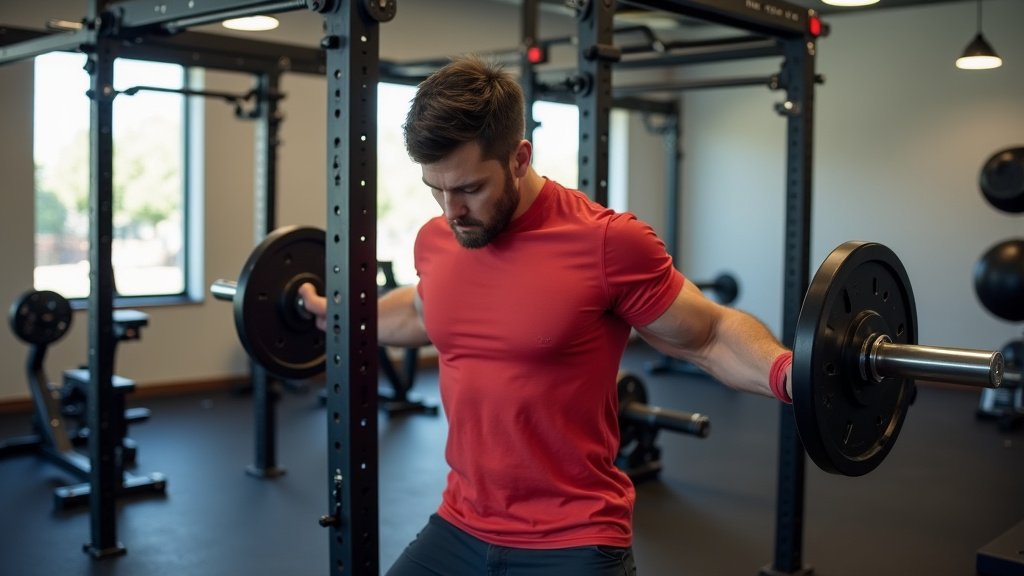
Stand in the middle of the cable machine. Set the pulleys to chest height. Grab a D-handle in each hand. You’ll want to take a few steps back to create tension on the cables. Position yourself so the cables run across your front. Your stance should be shoulder-width apart. Keep your feet planted firmly on the ground. You can stagger your stance slightly if that feels more stable for you. Bend your knees slightly and hinge forward at your hips. Your torso should be almost parallel to the floor. Imagine a slight bend in your elbows – don’t lock them out. Keep your back straight and your core engaged. Your head should be in a neutral position, looking slightly ahead of you.
The Movement: Extension and Squeeze
This is the part where you actively work your muscles. It’s a controlled motion, not a jerk. From your starting position, extend your arms out to the sides. Think about leading the movement with your elbows. Keep that slight bend in your elbows throughout. As you extend, focus on squeezing your shoulder blades together. Imagine you’re trying to hold a pencil between them. Continue moving your arms until they are roughly parallel to the floor, or as far as you can comfortably go while maintaining good form. Avoid shrugging your shoulders up towards your ears. The movement should come from your rear deltoids and upper back.
The Return: Controlled Descent
Don’t just let the weights drop! The way you return to the starting position is just as important as the extension. Slowly and with control, bring your hands back to the starting position. Resist the pull of the cables. You should still feel tension on the muscles. Maintain that slight bend in your elbows and keep your core tight. The controlled eccentric (lowering) phase is crucial for muscle growth and strength development. Many guidelines suggest that the lowering phase should be at least twice as slow as the lifting phase (National Academy of Sports Medicine).
Common Mistakes to Avoid
Even with the best intentions, form can slip. Being aware of common pitfalls can help you stay on track and get the most out of your workout. These mistakes can reduce effectiveness and increase the risk of injury.
Using Too Much Weight
We touched on this, but it bears repeating. When the weight is too heavy, your body will find other ways to compensate. This often means using momentum or recruiting larger muscle groups like your traps. This takes the focus away from your rear deltoids and upper back. Lower the weight and focus on that mind-muscle connection. Research has consistently shown that moderate weights with controlled repetitions yield better hypertrophy (muscle growth) and strength gains than lifting very heavy with poor form.
Shrugging the Shoulders
This is a common compensation. If you find yourself shrugging your shoulders up towards your ears as you lift, it means the weight is likely too heavy or you’re not engaging your rear deltoids properly. Try to keep your shoulders down and back throughout the entire movement. Focus on pulling with your shoulder blades, not lifting with your traps.
Not Squeezing the Shoulder Blades
The peak contraction is key. If you’re just moving your arms up and down without actively squeezing your shoulder blades together at the top, you’re missing out on a major benefit of this exercise. Really focus on that contraction for a brief moment at the apex of the movement. This ensures you’re fully engaging your rhomboids and mid-traps.
Allowing Momentum to Take Over
Cable reverse flys are not a swinging exercise. If you’re using jerky, uncontrolled movements to lift the weight, you’re relying on momentum. This reduces the effectiveness of the exercise and can put undue stress on your joints. Keep every phase of the movement – the lift, the pause, and the lower – controlled and deliberate.
Optimizing Your Cable Reverse Fly Workout
Once you’ve got the form down, you can think about how to integrate this exercise into your broader fitness routine. It’s about making it work for you.
Rep Ranges and Sets for Growth and Strength
For muscle growth (hypertrophy), aim for 3-4 sets of 10-15 repetitions. For strength, you might go slightly lower on reps, perhaps 8-12, with a slightly heavier weight. Rest for 60-90 seconds between sets. Listen to your body – if you need a little more rest, take it. Consistent training is more important than pushing through fatigue with poor form.
Frequency of Training
You can typically perform cable reverse flys 1-2 times per week. This allows your muscles enough time to recover and rebuild. Ensure you’re not overtraining your shoulders. Many training programs suggest dedicating specific days to upper body pulling or shoulder work. Make sure this exercise fits logically within your weekly split.
When to Include It in Your Workout
Many people find it beneficial to perform cable rear delt flys as part of a larger upper body workout. You could do them after your primary compound lifts (like rows or pull-ups) when your muscles are warm and ready. Alternatively, you can use them as a finisher to really burn out your rear deltoids and upper back. Some individuals also like to do them on a dedicated “shoulder day.”
A Quick Checklist for Your Next Set
Before you start your next set of cable reverse flys, run through this quick mental checklist to ensure you’re set up for success:
- Pulleys are at chest height or slightly lower.
- D-handles are securely attached.
- Weight is challenging but allows for perfect form.
- Knees are slightly bent, and you’re hinged at the hips.
- Elbows have a slight, consistent bend.
- Core is engaged, and your back is straight.
- You’re focusing on squeezing your shoulder blades together.
Conclusion
You’ve learned how to master the cable reverse fly, a powerful exercise for your rear deltoids and upper back. Remember, proper form is key to maximizing benefits and preventing injury. Focus on controlled movements, squeezing your shoulder blades together, and using a weight that challenges you without sacrificing technique. By consistently incorporating this exercise, you’re building a stronger, more balanced physique and improving your posture. Now, go put this knowledge into practice and feel the difference!
Frequently Asked Questions
How many reps and sets should I do for cable reverse flys?
For muscle growth, aim for 3-4 sets of 10-15 repetitions. If your goal is strength, try 3-4 sets of 8-12 repetitions with slightly heavier weight. Always prioritize good form over lifting heavier weights.
Can I do cable reverse flys at home?
Ideally, you’ll need a cable machine for this exercise. While some home cable systems exist, they might not offer the same range of motion or resistance as a gym machine. Without a cable machine, resistance bands can be a good alternative.
What’s the difference between cable reverse flys and dumbbell reverse flys?
Cable reverse flys offer consistent tension throughout the entire range of motion, unlike dumbbell reverse flys where tension can vary. This constant tension from the cable machine can lead to greater muscle activation for some individuals.
How often should I include cable reverse flys in my workout routine?
You can perform cable reverse flys 1-2 times per week. This allows your muscles sufficient time to recover and rebuild between sessions. Ensure this fits within your overall training split without overtraining your shoulders.
Is it okay if my elbows bend slightly during the movement?
Yes, a slight, consistent bend in your elbows is perfectly fine and often recommended for cable reverse flys. Avoid locking your elbows out straight. This slight bend helps keep tension on your rear deltoids and prevents stress on your elbow joints.