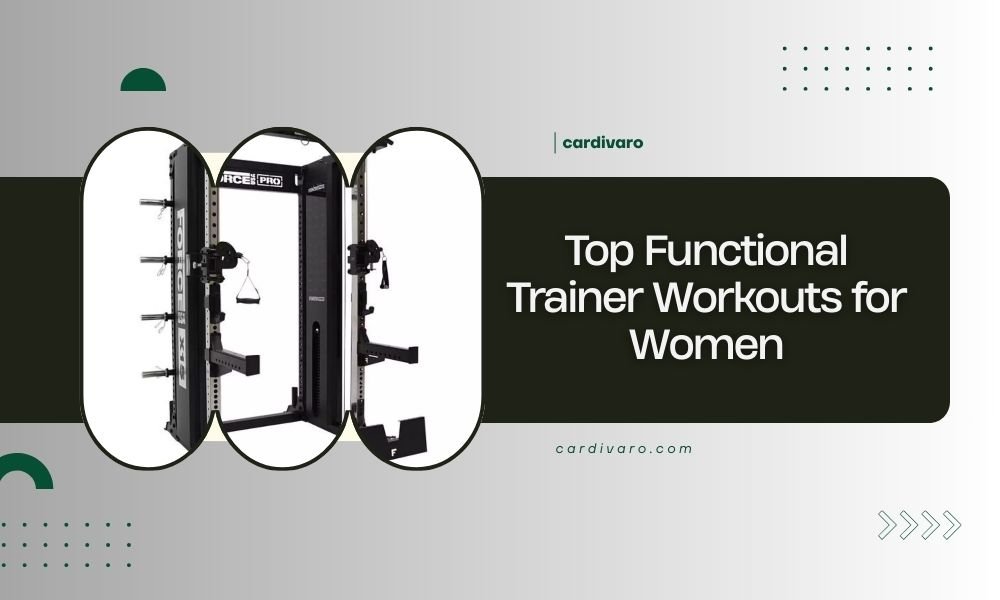
The best functional trainer workouts for women include cable squats, lat pulldowns, chest presses, and rotational movements that target multiple muscle groups simultaneously.
These exercises help women build lean muscle, improve posture, and develop real-world strength for daily activities like lifting groceries or playing with kids.
What Makes Functional Training Perfect for Women
Functional training mimics movements you do every day. Think about it – when do you ever isolate just your bicep in real life? You’re always using multiple muscles together.
That’s where functional trainer machines shine. They let you move in natural patterns while providing adjustable resistance. You can pull from different angles, rotate your core, and work your whole body as one connected system.
Why Women Love Cable Machines
I found that women often prefer cable machines over free weights for good reasons. The cables provide smooth resistance throughout the entire movement. You don’t have to worry about dropping weights or losing control.
Plus, you can adjust the weight in small increments. This makes it easier to progress gradually and safely.
Top Upper Body Functional Trainer Workouts
Let’s start with your upper body. These exercises will help you build strength for carrying kids, lifting boxes, and looking amazing in sleeveless tops.
Cable Chest Press
Set the cables at chest height. Step forward into a split stance. Press both handles forward and slightly inward.
This exercise works your chest, shoulders, and core all at once. Your legs stay engaged to keep you stable. That’s functional training at its best.
Common Mistakes to Avoid
- Don’t arch your back excessively
- Keep your core tight throughout
- Control the weight on the way back
- Don’t let your shoulders roll forward
Single Arm Row
Set one cable at chest height. Step back and pull with one arm while keeping your core stable. This exercise fights the forward head posture that comes from computer work.
Research shows that single-limb exercises help correct muscle imbalances between your left and right sides (ACSM).
Perfect Your Form
Think about pulling your elbow back, not just your hand. Squeeze your shoulder blade toward your spine. Feel your lat muscle working on the side of your back.
Lat Pulldown Variations
The lat pulldown builds that beautiful V-shape in your back. But don’t just stick to the basic version.
Wide Grip Pulldown
This targets the outer portion of your lats. Pull the bar down to your upper chest, not behind your neck.
Close Grip Pulldown
Use a narrower grip to hit your mid-traps and rhomboids. These muscles help pull your shoulders back for better posture.
Lower Body Functional Movements
Your legs are your body’s powerhouse. These exercises will help you feel strong and confident in everything you do.
Cable Squats
Hold the cable handles at shoulder height. Squat down like you’re sitting in a chair. The cables help you maintain perfect form.
This exercise prepares your body for real-world movements like getting up from low chairs or picking up items from the floor.
Squat Form Tips
- Keep your knees tracking over your toes
- Push your hips back first
- Keep your chest up and proud
- Go down until your thighs are parallel to the floor
Lateral Lunges
Step wide to one side while holding a cable handle. This works your inner and outer thighs in a way regular lunges can’t match.
Most women spend their days moving forward and backward. We rarely move side to side. That’s why lateral movements are so important.
Cable Romanian Deadlifts
This exercise targets your glutes and hamstrings while teaching proper hip hinge movement. You’ll use this pattern every time you bend over to pick something up.
Perfect Your Hip Hinge
Push your hips back like you’re trying to touch the wall behind you with your butt. Keep a slight bend in your knees. Feel the stretch in your hamstrings.
Core and Rotational Exercises
Your core is your body’s natural weight belt. These exercises will help you develop real core strength, not just flat abs.
Wood Choppers
Set the cable high and pull diagonally across your body. This exercise mimics throwing movements and builds rotational power.
I found that many women avoid rotational exercises, but they’re essential for spinal health and athletic performance.
High to Low Chops
Start with the cable high and chop down across your body. This strengthens your core in a functional pattern.
Low to High Chops
Start low and chop up across your body. This variation hits different core muscles and improves your ability to generate power from the ground up.
Pallof Press
Hold the cable handle at your chest and press straight out. The key is fighting the cable’s pull to rotate your body.
This exercise teaches your core to resist movement, which is what it does most of the time in real life.
Full Body Combination Moves
Ready to put it all together? These combination exercises work multiple muscle groups and save you time.
Squat to Press
Hold the cable handles at shoulder height. Squat down, then stand up and press overhead. This exercise works your entire body in one smooth movement.
Reverse Lunge with Row
Step back into a lunge while pulling the cable handle toward your chest. Your legs work to stabilize while your back muscles pull.
Why Combination Moves Work
Research shows that compound exercises burn more calories and improve coordination better than isolated movements (NSCA).
Creating Your Weekly Routine
How do you put all this together into a plan that works for your busy life?
Beginner Schedule
Start with 2-3 days per week. Choose 4-6 exercises per workout. Do 2-3 sets of 10-15 reps.
Intermediate Schedule
Work out 3-4 days per week. Include 6-8 exercises per session. Try 3-4 sets of 8-12 reps.
Sample Weekly Split
| Day | Focus | Key Exercises |
|---|---|---|
| Monday | Upper Body | Chest Press, Rows, Lat Pulldowns |
| Wednesday | Lower Body | Squats, Lunges, Deadlifts |
| Friday | Full Body | Combination Moves, Core Work |
Progression Tips That Actually Work
Don’t just add weight every week. That’s not how women typically get stronger.
Smart Ways to Progress
- Add one more rep per set
- Hold the contraction for an extra second
- Slow down the lowering phase
- Try a more challenging angle
- Add a balance challenge
Listen to Your Body
Some days you’ll feel strong. Other days you won’t. That’s normal, especially if you’re dealing with hormonal changes throughout the month.
Conclusion
Functional trainer workouts give you the strength you need for real life. These exercises help you move better, feel stronger, and look amazing. Start with the basics and build from there.
Remember, consistency beats perfection every time. Pick 3-4 exercises that you enjoy and master them. Then add new movements as you get stronger and more confident.
Your future self will thank you for starting today. Every rep makes you stronger, every workout makes you more capable, and every week brings you closer to your goals.
What’s the best functional trainer exercise for beginners?
Cable squats are perfect for beginners because the cables help you maintain proper form while working multiple muscle groups. Start with light weight and focus on sitting back into the movement like you’re sitting in a chair.
How often should women do functional trainer workouts?
Most women see great results with 2-3 functional training sessions per week, allowing at least one day of rest between workouts. This gives your muscles time to recover and grow stronger.
Can functional training help with weight loss?
Yes, functional exercises burn more calories than isolated movements because they use multiple muscle groups simultaneously. Compound movements also keep your metabolism elevated after your workout ends.
Do I need to use heavy weights for functional training?
Not at all. Focus on movement quality first, then gradually increase resistance. Many functional exercises are challenging even with moderate weight because they require balance and coordination.
What’s the difference between functional training and regular weight training?
Functional training uses movement patterns that translate to daily activities, while traditional weight training often isolates specific muscles. Functional exercises typically involve multiple joints and muscle groups working together in coordinated patterns.