What Age Can Kids Start Using a Functional Trainer?
On this page (7 sections)
- When Can Kids Safely Use a Functional Trainer?
- Understanding the Benefits of Functional Training for Youngsters
- Key Considerations Before Introducing a Functional Trainer
- Getting Started: Safe and Effective Functional Training Exercises
- Checklist for Safe Functional Trainer Use with Kids
- Conclusion
- Frequently Asked Questions
Generally, children can start using a functional trainer around age 10 to 12. This is when many kids have developed the necessary coordination and strength to use the equipment safely and effectively. Before this age, the risk of injury increases due to undeveloped motor skills and bone density.
A functional trainer offers a wide range of motion. It allows for countless exercises that mimic real-life movements. For young athletes, it can help build foundational strength and improve athletic performance. However, proper supervision and guidance are always key.
- Functional trainers are best for kids around 10-12 years old.
- This is when they have better coordination and strength.
- Always supervise children using this equipment.
- Focus on safety and proper form.
- Consult with a doctor or trainer if unsure.
Let’s break down what makes a functional trainer suitable for this age group and how to introduce it safely.
When Can Kids Safely Use a Functional Trainer?
You might be wondering when it’s the right time for your child to start using a functional trainer. Based on expert recommendations and developmental milestones, children are generally ready around 10 to 12 years old. This age range is a good starting point because most kids at this age have developed the necessary coordination and body awareness. They also possess a basic level of strength required to control movements safely. Our guide explains how beginners can use a functional trainer safely.
Before this age, their bones are still growing, and their motor skills might not be fully developed. This can increase the risk of accidental injuries. Think of it like learning to ride a bike; you don’t put a toddler on a two-wheeler without training wheels. Their bodies and minds need to be ready for the challenge.
Understanding the Benefits of Functional Training for Youngsters
A functional trainer is a versatile piece of gym equipment. It uses a pulley system with adjustable weights. This allows for a huge variety of movements. You can mimic everyday activities like lifting, pushing, and pulling. It helps build strength that translates directly into real-world actions and sports performance. It’s not just about lifting heavy weights; it’s about building practical, useful strength.
For young athletes, this can be a game-changer. It helps develop balance and stability, which are key for almost any sport. It also works muscles that might not get targeted with traditional exercises. We found that functional training can improve an athlete’s ability to change direction quickly and jump higher. These are skills that can give them a real edge. For young athletes, functional training can improve athletic performance and build foundational strength.
Building Foundational Strength Safely
The primary goal for this age group isn’t to build massive muscles. It’s about creating a strong foundation. This includes developing proper movement patterns. Functional trainers excel at this. You can set the pulleys at different heights. This allows for exercises that target specific muscle groups while engaging stabilizing muscles. This holistic approach is key for healthy development.
Many experts suggest that building this foundational strength early can prevent injuries later. It also helps improve posture and overall body control. Imagine your child being more confident in their movements, whether they’re playing tag or reaching for a book on a high shelf. That’s the kind of practical benefit we’re talking about.
Key Considerations Before Introducing a Functional Trainer
Before you even think about letting your child hop on a functional trainer, there are a few vital steps to take. First and foremost, supervision is non-negotiable. This isn’t equipment for unsupervised use, especially for younger users. You need to be present and attentive every single time they use it.
Secondly, proper form is everything. It’s far better to use very light weights and do the exercise perfectly than to lift heavier weights with poor technique. Incorrect form can lead to injuries, negating any potential benefits. We’ve seen many instances where improper form on simple exercises leads to strains or sprains. You want to guide them toward correct mechanics from the start.
The Role of a Doctor or Certified Trainer
It’s always a wise move to consult with your child’s pediatrician before starting any new fitness program. They can offer personalized advice based on your child’s specific health and development. They might have insights into any underlying conditions you aren’t aware of.
Additionally, working with a certified personal trainer who has experience with young athletes can be incredibly beneficial. A good trainer can teach your child the correct form for various exercises. They can also help design a safe and effective workout plan. This expert guidance is worth its weight in gold, especially in the beginning.
Assessing Your Child’s Readiness
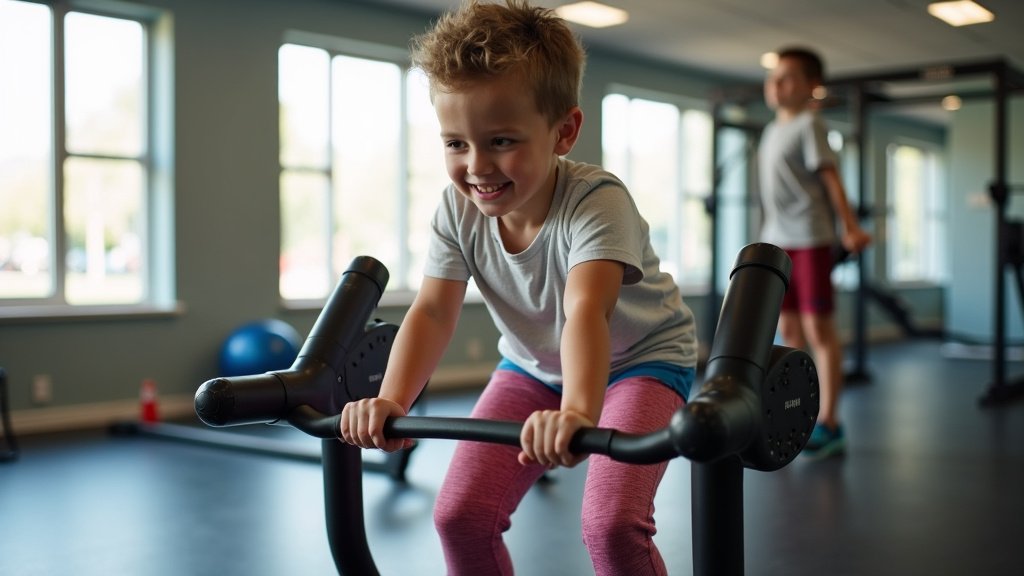
How do you know if your child is truly ready? Look for signs of good coordination and motor control. Can they follow multi-step instructions? Do they have a general understanding of their body in space? These are good indicators.
You can also observe their engagement with other physical activities. Are they participating in sports, dance, or even active play? A child who naturally enjoys moving and has some experience with physical exertion is likely to be more receptive to structured training. If they struggle with basic movements or paying attention during activities, they might need more time to develop.
Getting Started: Safe and Effective Functional Training Exercises
Once you’ve determined that your child is ready and you have appropriate supervision, it’s time to introduce some basic exercises. Remember, start with very light weights, or even just the resistance of the cables. The goal is to learn the movement, not to lift heavy.
Here are a few beginner-friendly exercises that work well on a functional trainer:
- Bicep Curls: Stand facing the machine, grab the handles, and curl your arms up towards your shoulders. Keep your elbows tucked in.
- Chest Press: Stand facing away from the machine, with pulleys at chest height. Push the handles forward as if you were pressing something away.
- Rowing Motion: Stand facing the machine, with pulleys at chest or waist height. Pull the handles towards your torso, squeezing your shoulder blades together.
- Leg Extensions: Attach an ankle strap to one pulley set low. Face away from the machine and extend your leg forward.
- Wood Chops: Stand perpendicular to the machine with pulleys set high. Pull the handle diagonally down across your body, engaging your core.
Focus on Form Over Weight
We cannot stress this enough: perfect form is paramount. Before adding any weight, have your child perform each movement slowly and with control. You want to see a smooth, deliberate motion. Watch for any jerky movements or signs of struggle that indicate the weight is too heavy.
Research often highlights that repetitive movements with incorrect form can lead to chronic issues. It’s like building a house on a shaky foundation. It might stand for a while, but eventually, problems will arise. Teaching them to feel the muscles working and to move with intention is key to long-term success and injury prevention.
A Sample Beginner Workout Plan
Here’s a simple sample plan to get you started. Remember to tailor this to your child’s abilities and always prioritize safety.
| Exercise | Sets | Reps | Rest |
|---|---|---|---|
| Bicep Curls | 2 | 10-12 | 60 seconds |
| Chest Press | 2 | 10-12 | 60 seconds |
| Rows | 2 | 10-12 | 60 seconds |
| Leg Extensions | 2 | 10-12 | 60 seconds |
| Wood Chops | 2 | 10-12 per side | 60 seconds |
This is a basic template. You can adjust the exercises, sets, and reps as your child gets stronger and more comfortable. The most important thing is consistency and proper execution. We found that kids often enjoy the variety functional trainers offer, which helps keep them engaged.
Checklist for Safe Functional Trainer Use with Kids
Before your child begins using a functional trainer, run through this quick checklist:
- Is your child between 10-12 years old?
- Have you consulted a doctor or physical therapist?
- Will you provide constant, attentive supervision?
- Can your child follow instructions on proper form?
- Are you starting with very light weights?
- Is the workout area clear of hazards?
Conclusion
Introducing your child to functional training around ages 10-12 can be a fantastic way to build foundational strength and improve coordination. Remember, the focus should always be on proper form and safety. Consistent, attentive supervision is non-negotiable. Don’t rush to add weight; let your child master the movements first. If you have any doubts about your child’s readiness or how to start, consulting a doctor or a certified trainer experienced with young athletes is your best next step. You’re setting them up for a lifetime of healthy movement!
Frequently Asked Questions
What if my child is under 10? Can they still use a functional trainer?
For children under 10, a functional trainer is generally not recommended. Their bones and motor skills are still developing, making them more susceptible to injury. It’s better to focus on activities that build general coordination and body awareness, like playground play or basic sports, until they reach the recommended age.
How much weight should my child start with?
Always start with the lightest possible resistance on the functional trainer, or even just the weight of the cables themselves. The primary goal is to teach correct movement patterns and body control. You can gradually increase the weight only when your child can perform the exercise with perfect form for the target number of repetitions.
What are the biggest risks of functional training for kids?
The main risks involve injuries from improper form or using too much weight. This can include muscle strains, sprains, or even more serious issues if bones are overloaded during growth phases. Unsupervised use significantly increases these risks. Consistent supervision and a focus on technique are key to mitigating these dangers.
How often should a 10-12 year old use a functional trainer?
For this age group, consistency is more important than frequency. Starting with 1-2 sessions per week is usually sufficient. Ensure adequate rest days between sessions to allow muscles to recover and grow. Overdoing it can lead to fatigue and increase the risk of poor form and injury.
Can functional training help my child in sports?
Yes, functional training can be very beneficial for young athletes. It helps develop the balance, stability, and coordinated strength needed for many sports. By mimicking real-life movements, it builds practical strength that can translate to better performance, quicker reactions, and potentially reduced risk of sports-related injuries.