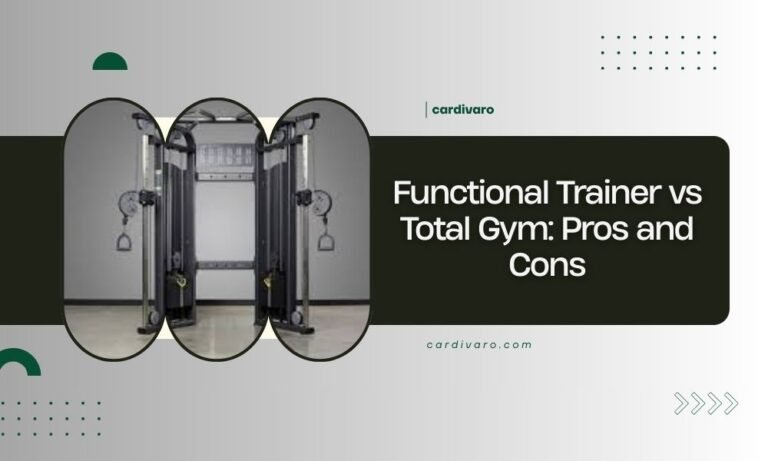
The best cable machine workout split for beginners is typically a full-body routine performed 2-3 times per week, focusing on major muscle groups. This approach helps you build foundational strength and learn proper form effectively.
You want to focus on compound exercises that work multiple muscles at once. This builds efficiency and gets you comfortable with the cable machine. It helps your body adapt without overtraining, which is perfect for newcomers.
- Full-body workouts 2-3 times weekly.
- Focus on compound movements.
- Prioritize learning proper form.
- Allow for adequate recovery between sessions.
- Progression is gradual and consistent.
Ready to get started? Let’s walk through how to set up your beginner cable machine workout split for the best results.
Crafting Your Ideal Cable Machine Workout Schedule for Beginners
The best way to start is with a full-body approach, training 2-3 times per week. This gives your muscles enough work and plenty of time to recover and grow. It’s like planting a garden; you water it, but then you let it soak in the sun before watering it again.
Why Full-Body Workouts Are Your Best Friend
You might wonder why we recommend full-body workouts. For beginners, it’s about efficiency and overall development. Instead of splitting your muscles into different days, you hit all the major groups in one session.
This means you get more practice with the cable machine’s mechanics. You learn how it feels to push, pull, and rotate with resistance. This builds a strong foundation much faster than focusing on just one body part at a time.
Plus, training a muscle group more frequently, even with lower volume per session, can be very effective for new strength gains (American Council on Exercise). Your body learns the movements better, and your muscles get regular signals to adapt and get stronger.
How Many Times a Week Should You Train?
For someone just starting, 2 to 3 times a week is the sweet spot. Any less, and your progress might be slower. Any more, and you risk overtraining, which can lead to fatigue and even injury.
Think of it as finding a rhythm. Two days a week gives you plenty of rest. Three days a week challenges you a bit more but still allows for good recovery. For example, Monday, Wednesday, Friday is a classic and effective schedule.
The Importance of Compound Exercises on the Cable Machine
When you’re at the cable machine, you want to pick exercises that work several muscle groups at once. These are called compound exercises. Why are they so great for beginners?
First, they’re more efficient. You get more bang for your buck, working more muscles in less time. Second, they mimic natural movements you do in everyday life, making you stronger for daily tasks. Third, they help you build coordination and stability.
For example, a cable row works your back, biceps, and shoulders. A cable chest press works your chest, shoulders, and triceps. You’re getting a lot done with each movement.
Examples of Beginner-Friendly Cable Compound Exercises
- Cable Rows: Great for your back and biceps.
- Cable Chest Press: Targets your chest, shoulders, and triceps.
- Cable Pulldowns: Works your lats (back muscles) and biceps.
- Cable Squats: Engages your quads, glutes, and core.
- Cable Face Pulls: Excellent for rear shoulders and upper back posture.
These exercises help you get comfortable with the cable machine’s feel and movement patterns. You’ll quickly notice how versatile and effective this equipment can be.
Structuring Your Beginner Cable Machine Workout
Once you understand the “why,” let’s talk about the “how.” A well-structured workout ensures you hit all your major muscle groups without spending hours at the gym. We’re aiming for effectiveness and sustainability.
Setting Up Your Workout Template
A good starting point is to choose 5-7 exercises per full-body session. Aim for 2-3 sets of 8-12 repetitions for each exercise. This rep range is ideal for building muscle strength and endurance for beginners.
Remember, quality over quantity. Focus on proper form first. It’s better to lift lighter with perfect technique than to struggle with too much weight and risk injury. Think of it as perfecting your dance moves before speeding up the music.
A Sample Full-Body Cable Machine Workout for Beginners
Here’s a template you can follow. Feel free to adjust based on what feels good for your body. This is a journey, not a sprint!
| Exercise | Sets | Reps | Target Muscles |
|---|---|---|---|
| Cable Squat | 3 | 10-12 | Quads, Glutes, Core |
| Cable Chest Press | 3 | 10-12 | Chest, Shoulders, Triceps |
| Cable Row | 3 | 10-12 | Back, Biceps |
| Cable Pulldown | 3 | 10-12 | Lats, Biceps |
| Cable Face Pull | 2 | 12-15 | Rear Delts, Upper Back |
| Cable Triceps Pushdown | 2 | 10-15 | Triceps |
| Cable Bicep Curl | 2 | 10-15 | Biceps |
This routine hits your major muscle groups effectively. You’ll work your legs, chest, back, shoulders, and arms. It’s a balanced approach to overall fitness and strength.
Prioritizing Form Over Weight
This point cannot be stressed enough: proper form is everything, especially when you’re new to weight training. The cable machine can be very forgiving, but bad habits formed early are hard to break.
Start with a very light weight. Focus on feeling the muscles you’re supposed to be working. Watch videos, use mirrors, or even ask a gym employee for a quick form check. Your goal is to move smoothly and with control through the entire range of motion.
We found that people who focus on form first tend to have fewer injuries and make more consistent long-term progress (National Strength and Conditioning Association). It’s like building a house – a strong foundation means the whole structure will last.

Progression and Listening to Your Body
As a beginner, your body will adapt quickly. This means you’ll get stronger faster than experienced lifters. This initial rapid progress is often called “newbie gains.” Enjoy it!
When and How to Increase Weight
Once you can complete all your sets and reps for an exercise with good form, it’s time to gradually increase the weight. This is called progressive overload, and it’s how your muscles continue to grow and get stronger.
Don’t jump up too much at once. A small increase, like 2.5 to 5 pounds, is usually enough. If you can perform all your sets and reps with proper form for two consecutive workouts, then it’s likely a good time to slightly increase the resistance.
Keep a workout log. This helps you track your progress and know when it’s time to challenge yourself a little more. It’s a great way to stay motivated and see how far you’ve come.
The Importance of Rest and Recovery
Your muscles don’t grow while you’re lifting; they grow while you’re resting. Adequate recovery is just as important as the workout itself. Make sure you’re getting enough sleep and eating a nutritious diet.
If you’re feeling constantly sore or fatigued, it might be a sign that you need more rest. Don’t be afraid to take an extra day off or reduce your intensity. Listening to your body is a skill that takes time to develop, but it’s essential for long-term success.
Remember, beginners need slightly more recovery time than advanced lifters because their bodies are experiencing new stressors (Mayo Clinic). Be kind to yourself as you start this journey.
Beginner’s Checklist for Cable Machine Success
To summarize, here’s a quick checklist to guide your first few weeks with the cable machine:
Start with light weights to master your form.
Perform compound exercises to work multiple muscles.
Aim for 2-3 full-body workouts per week.
Track your workouts to monitor progress.
Prioritize rest and nutrition for recovery.
Listen to your body and adjust as needed.
By following these guidelines, you’ll be well on your way to building strength and confidence with the cable machine. It’s an exciting journey, and you’re already taking the first big step!
Conclusion
You’ve now got a solid roadmap for starting your cable machine journey. By committing to a full-body workout split 2-3 times per week, focusing on compound exercises, and always prioritizing perfect form, you’re setting yourself up for success. Remember, consistency and patience are your best tools. Keep tracking your progress, listen to your body, and enjoy the process of building strength and confidence.
Now, grab that cable handle and get started! Your stronger self is waiting.
Frequently Asked Questions
How long should a beginner cable machine workout session last?
For beginners, aim for workout sessions lasting 45 to 60 minutes. This includes a warm-up, your working sets, and a cool-down. It’s enough time to hit all major muscle groups without overfatiguing yourself.
Can I build muscle effectively with just a cable machine?
Absolutely! Cable machines provide constant tension throughout the entire range of motion, which is excellent for muscle growth. For beginners, they offer a safer and more controlled way to build foundational strength compared to free weights.
What if I only have time for two workouts a week?
Two full-body cable machine workouts a week are still very effective for beginners. Focus on hitting all major muscle groups in those sessions. Consistency with two workouts is much better than sporadic attempts at three.
How do I know if I’m using the correct weight?
The correct weight allows you to complete all your target repetitions with good form, but with the last 1-2 reps feeling challenging. If you can do more reps easily, the weight is too light. If your form breaks down early, it’s too heavy.
Should I do cardio on my off days?
Yes, light to moderate cardio on your rest days can be beneficial for recovery and overall fitness. Walking, cycling, or swimming are great options. Just avoid high-intensity cardio that might interfere with muscle recovery.