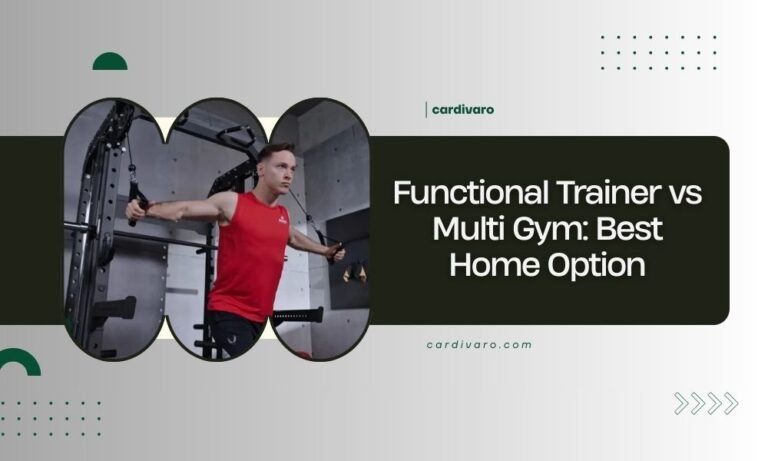
Functional trainer hanging leg raise support requires proper machine setup, correct grip positioning, and gradual progression to prevent injury and maximize core engagement.
The key is maintaining controlled movement while keeping your shoulders stable and avoiding momentum swings that reduce effectiveness.
Why Hanging Leg Raises Matter on Functional Trainers
You’ve probably seen people struggling with hanging leg raises at the gym. Their form looks messy, they swing around, and they barely engage their core. Sound familiar?
When done right on a functional trainer, hanging leg raises become one of the best core exercises you can do. They target your entire abdominal region while building grip strength and shoulder stability.
I found that most people skip the setup basics and jump straight into the movement. That’s where problems start.
Setting Up Your Functional Trainer Properly
Cable Height and Position
Set your cables at the highest position on both sides. You want maximum clearance for your legs to move freely.
Position yourself in the center of the machine. Equal distance from both cable towers gives you better balance and control.
Choosing the Right Attachment
Single handles work best for beginners. They give you a natural grip and better feel for the movement.
Some people prefer ab slings or TRX-style straps that support your forearms. These reduce grip fatigue and let you focus purely on core work.
Handle vs. Sling Trade-offs
- Handles: Better grip strength building, more natural feel
- Slings: Less grip fatigue, easier to focus on abs
- Straps: Most comfortable for longer sets
Perfect Hanging Position Setup
Grip Width and Hand Placement
Grab the handles with your palms facing away from you. Your hands should be slightly wider than shoulder-width apart.
I found through research that this position activates your lats better, giving you more stability during the movement.
Body Alignment Before You Start
Hang with your arms fully extended but not locked out. Keep a slight bend in your elbows.
Your shoulders should be pulled down and back, not hunched up by your ears. Think about creating space between your shoulders and neck.
Common Setup Mistakes
Don’t let your shoulders roll forward. This puts unnecessary stress on your rotator cuffs and reduces your lifting power.
Avoid gripping too tight. A death grip will tire out your forearms before your abs get a good workout.
The Movement: Step-by-Step Technique
Starting the Lift
Begin with your legs hanging straight down. Take a deep breath and brace your core like someone’s about to punch your stomach.
Start lifting your knees toward your chest. The movement should be slow and controlled, not a quick jerk.
Peak Contraction Focus
Bring your knees as high as you can without swinging. Your thighs should reach at least parallel to the ground.
Pause for one second at the top. This pause makes the exercise much harder but way more effective.
Breathing Pattern
Exhale as you lift your legs up. Inhale as you lower them back down.
Some fitness experts recommend holding your breath during the lift, but I found that steady breathing works better for most people (American Council on Exercise).
Lowering with Control
The Negative Phase
Lower your legs slowly. This should take 2-3 seconds minimum.
Don’t just let gravity do the work. Your abs should stay engaged throughout the entire lowering phase.
Bottom Position Reset
Stop just before your legs reach completely straight. Keep a slight bend in your knees and hips.
This keeps tension on your abs between reps and makes the exercise more challenging.
Progression Strategies That Work
Beginner Modifications
Start with bent knee raises instead of straight legs. This reduces the lever arm and makes the movement easier.
You can also do partial range of motion reps. Lift your knees halfway up until you build more strength.
Assistance Options
| Method | Best For | Difficulty Level |
|---|---|---|
| Band assistance | Complete beginners | Easiest |
| Bent knee raises | Building strength | Moderate |
| Partial range | Learning control | Moderate |
Advanced Progressions
Once you can do 15 clean reps, try straight leg raises. Keep your legs completely extended throughout the movement.
Add ankle weights for extra resistance. Start with just 2-5 pounds per ankle.
Elite Level Variations
Toes-to-bar is the ultimate progression. Lift your legs until your toes touch the bar or handles.
L-sits combine hanging leg raises with an isometric hold. Lift your legs to parallel and hold that position.
Common Form Mistakes to Avoid
The Swing Problem
Swinging turns this into a momentum exercise, not a strength exercise. Your abs barely work when you swing.
If you find yourself swinging, slow down the movement or reduce the range of motion.
Shoulder and Grip Issues
Letting your shoulders roll forward puts you in a weak position and can cause pain.
Gripping too hard wastes energy and creates unnecessary tension in your arms and shoulders.
Quick Fixes for Better Form
- Start each rep from a dead hang
- Focus on lifting with your abs, not your hip flexors
- Keep your chest up and shoulders back
- Use a lighter grip, just enough to hold on
Programming Your Hanging Leg Raises
Sets and Reps for Different Goals
For strength building: 3-5 sets of 5-8 reps with perfect form.
For muscle building: 3-4 sets of 8-15 reps with moderate pace.
For endurance: 2-3 sets of 15-25 reps with shorter rest periods.
Weekly Frequency
Two to three times per week works well for most people. Your abs recover faster than larger muscle groups.
Research shows that core muscles can handle more frequent training than legs or back (National Strength and Conditioning Association).
Safety Tips and Injury Prevention
Warm-up Requirements
Always warm up your shoulders and core before hanging leg raises. Dead hangs for 30 seconds work great.
Do some gentle torso twists and arm circles to get your shoulders ready.
When to Stop or Modify
Stop if you feel pain in your shoulders, lower back, or neck. Muscle fatigue is normal, sharp pain is not.
If your grip gives out before your abs get tired, try using straps or switching to ab slings.
Red Flags to Watch For
Sharp pain in your lower back usually means you’re arching too much or using too much hip flexor.
Shoulder pain might indicate poor setup or pre-existing shoulder issues that need attention.
Conclusion
Mastering functional trainer hanging leg raises takes patience and attention to detail. Start with proper setup, focus on controlled movement, and progress gradually. Your core strength will improve dramatically when you get the technique right.
Remember that consistency beats intensity every time. Perfect form with easier variations will give you better results than sloppy advanced movements. Take your time, listen to your body, and enjoy building that rock-solid core.
How long should I hang before doing leg raises?
Build up to hanging for 30-60 seconds before adding leg raises. This ensures your grip strength won’t limit your core workout and helps prevent shoulder issues.
Can I do hanging leg raises every day?
Your abs recover quickly, so daily training is possible if you keep the volume moderate. Limit yourself to 2-3 sets per day and listen to your body for signs of overtraining.
What if my grip fails before my abs get tired?
Use lifting straps or switch to forearm slings that support your arms. This lets you focus purely on core training without grip strength being the limiting factor.
Should I feel this exercise in my hip flexors?
Some hip flexor activation is normal, but your abs should be doing most of the work. If you only feel it in your hip flexors, focus on tilting your pelvis backward and engaging your core more.
How do I know if I’m ready for straight leg raises?
Master 12-15 perfect bent knee raises first. You should be able to control the movement without swinging and hold the top position for 2 seconds before progressing to straight legs.