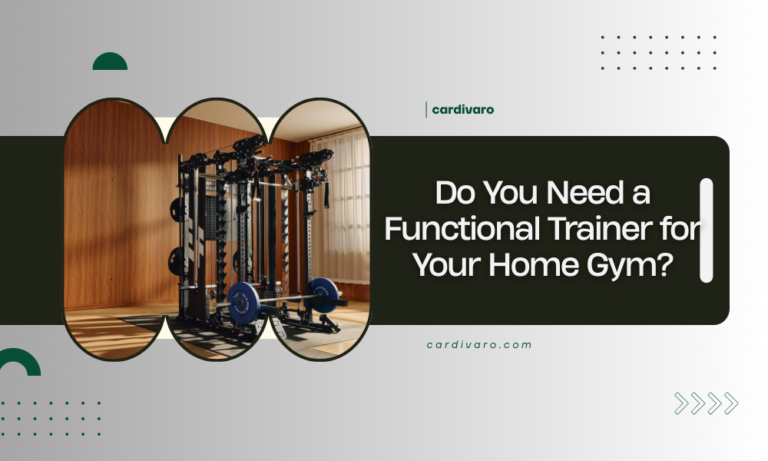
Moving a functional trainer requires careful planning, proper equipment, and at least two people to safely transport these 200-400 pound machines without damage.
The key steps include disconnecting cables, securing moving parts, using furniture dollies or moving straps, and protecting floors during the relocation process.
Why Moving a Functional Trainer Is Tricky
Functional trainers aren’t your average piece of gym equipment. These beasts weigh between 200 to 400 pounds and have multiple moving parts that can shift during transport.
The cable system, weight stacks, and adjustable components make them awkward to handle. One wrong move could damage your floors, walls, or the machine itself.
I researched moving techniques from fitness equipment professionals and found that most damage happens during DIY moves when people underestimate the complexity.
What You’ll Need Before You Start
Don’t wing it. Having the right tools makes all the difference between a smooth move and a disaster.
Essential Moving Equipment
- Heavy-duty furniture dollies (rated for 500+ pounds)
- Moving straps or ropes
- Furniture blankets or moving pads
- Screwdriver set
- Zip ties or cable ties
- Floor protection (cardboard or plastic sheeting)
The Human Factor
You need at least two strong adults. Three is better. One person cannot safely move a functional trainer, no matter how strong they think they are.
From what I read in equipment manuals, most manufacturers void warranties if the machine is damaged during improper moving.
Step-by-Step Moving Process
Step 1: Prepare the Machine
Start by taking photos of your cable setup. You’ll thank yourself later when reassembling.
Remove or secure all loose accessories like handles, bars, and ankle straps. Store them in a labeled bag.
Secure the Weight Stacks
Use the weight stack pins to lock the weights in their lowest position. This prevents them from sliding during transport.
If your trainer has adjustable pulleys, set them to their most stable position – usually the middle setting.
Handle the Cable System
Here’s where many people mess up. Don’t disconnect cables unless absolutely necessary. Instead, use zip ties to bundle loose cable sections.
If you must disconnect cables, mark each connection point with masking tape and numbers.
Step 2: Protect Your Space
Lay down cardboard or plastic sheeting along your moving path. Functional trainers can scratch hardwood, tile, or vinyl flooring.
Measure doorways and hallways. Many functional trainers are 80+ inches tall, which might not clear standard doorways when upright.
Step 3: The Actual Move
Using Furniture Dollies
Place one dolly under each end of the trainer’s base. The weight should be evenly distributed.
Strap the machine to the dollies using moving straps. Wrap these around the frame, not the cables or plastic components.
Move slowly. Really slowly. Think of it like moving a refrigerator – sudden movements can cause tipping.
Navigating Tight Spaces
For doorways, you might need to tilt the machine. This is where that third person becomes essential – one to guide, two to lift and control.
Research from moving companies shows that most equipment damage occurs during doorway transitions (Professional Movers Association).
Common Mistakes to Avoid
The “We Can Wing It” Approach
I came across numerous forum posts from people who tried moving their functional trainer without preparation. The result? Damaged machines, injured backs, and scratched floors.
Don’t assume you can figure it out as you go. Plan the route, gather your tools, and brief your helpers beforehand.
Ignoring the Weight Distribution
Functional trainers aren’t balanced like a box. The weight stacks make one end heavier than the other.
Always identify the heavy end before lifting. Usually, it’s where the main weight stack sits.
Rushing the Process
Taking shortcuts leads to problems. Yes, it’s tedious to secure every component and protect every surface. But repair costs far exceed the time investment.
Special Situations
Moving Upstairs or Downstairs
Stairs change everything. Dollies won’t work here – you’ll need to carry the machine.
Consider hiring professionals for stair moves. The risk of injury or damage jumps significantly.
If you must do it yourself, remove the weight stacks first to reduce the load. Many stacks lift out with the right technique.
Long-Distance Moving
Moving to a new house? Disassembly might be your best option.
Most functional trainers can be partially disassembled. Check your manual for guidance on removing weight stacks, pulleys, and frame sections.
Truck Loading Tips
Secure the machine against the truck wall using moving straps. The goal is preventing any movement during transport.
Place moving blankets between the machine and truck walls to prevent scratches.
After the Move
Inspection and Setup
Before using your newly relocated functional trainer, inspect everything. Check cable alignment, weight stack movement, and pulley operation.
Test each function with light weight first. If something feels off, stop and investigate.
Calibration Check
Some machines need recalibration after moving. This usually involves checking weight stack alignment and cable tension.
Your manual should have specific calibration steps. Don’t skip this – improper calibration affects workout safety and effectiveness.
When to Call Professionals
Some situations demand professional help. Moving companies that specialize in fitness equipment know the tricks and have proper equipment.
Consider professionals if you’re dealing with stairs, long distances, or expensive machines. The cost often balances against potential damage and injury risks.
Many fitness equipment retailers offer moving services. They know your specific machine model and its quirks.
Conclusion
Moving a functional trainer doesn’t have to be a nightmare if you plan ahead and respect the machine’s weight and complexity. Take your time, gather the right tools, and don’t hesitate to ask for help when you need it. Your back, your floors, and your equipment will thank you for the extra care and preparation.
How much does it cost to hire professionals to move a functional trainer?
Professional fitness equipment movers typically charge $150-400 for local moves, depending on distance, stairs, and machine complexity. This often costs less than potential damage from DIY mistakes.
Can I remove the weight stacks to make moving easier?
Many functional trainers allow weight stack removal, which can reduce moving weight by 50-100 pounds. Check your manual for specific removal instructions, as methods vary by manufacturer.
What’s the biggest mistake people make when moving functional trainers?
Attempting to move alone or with inadequate help. These machines require coordinated lifting and careful maneuvering that’s impossible with just one person, regardless of strength level.
Do I need to disconnect all the cables before moving?
Not usually. Most functional trainers can be moved with cables intact if you secure loose sections with zip ties. Only disconnect cables if doorway clearance absolutely requires it.
How do I protect my floors during the move?
Use cardboard, moving blankets, or plastic sheeting along the entire moving path. Even with dollies, the weight and potential dragging can damage hardwood, tile, and vinyl flooring.