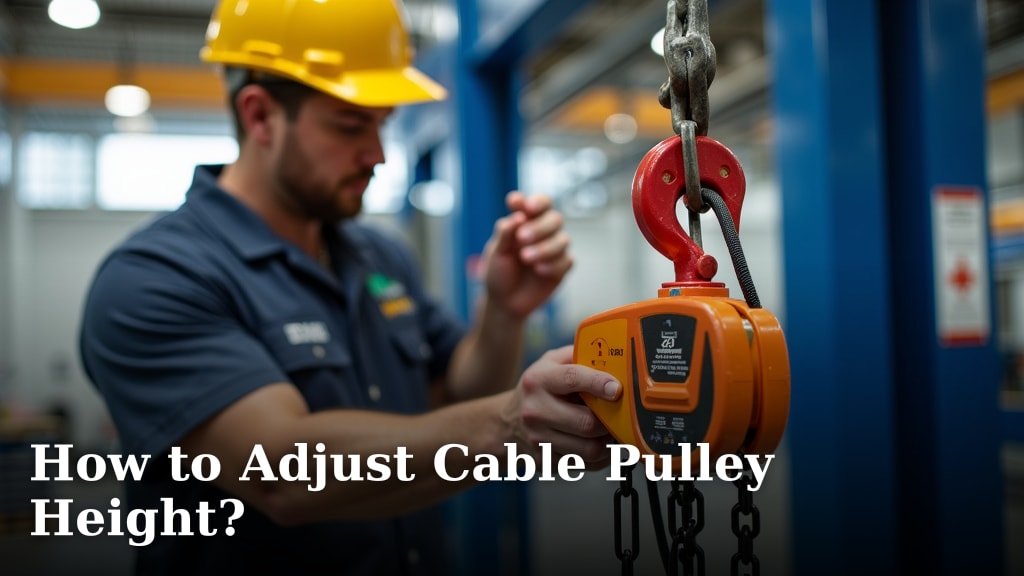
To adjust cable pulley height, you typically move a pin or lever on the machine’s vertical column to your desired position. This simple adjustment changes the angle and resistance of your exercise, making it vital for targeting different muscle groups effectively.
Understanding how to properly set your pulley height is key to maximizing your workouts. A correct setup ensures you’re working the intended muscles and reduces the risk of injury. We found that even a small change can make a big difference in muscle engagement.
- Pin or lever controls height.
- Height changes exercise angle.
- Different heights target different muscles.
- Proper adjustment improves workout effectiveness.
Ready to get your cable machine dialed in for optimal results? Let’s walk through exactly how to adjust cable pulley height so you can make the most of every repetition.
Understanding Your Cable Machine’s Adjustment Mechanisms
Adjusting your cable pulley is usually quite straightforward. You’ll interact with a simple locking mechanism. This mechanism allows you to reposition the pulley along the machine’s vertical column. Getting familiar with it is your first step.
These machines are designed for quick changes. This means you can easily switch up your workout between sets. We found that most machines use one of two main types of adjustment systems. Understanding these will help you work faster and smarter.
Locating the Adjustment Pin or Lever
First, take a good look at your cable machine. You’re searching for a specific component. This is what you’ll use to change the pulley’s height. It’s often very visible and easy to spot.
Most machines have a brightly colored pin or a prominent lever. This is usually located right on the carriage. The carriage is the part that moves up and down the vertical column. It holds the pulley wheel.
The Classic Pop-Pin Design
The pop-pin design is very common. You’ll see this on many gym machines. It’s a simple, effective system that has stood the test of time.
You use your fingers to pull a small, spring-loaded pin. This pin is what locks the carriage into place. Once pulled, you can move the carriage. Releasing the pin locks it again. You’ll hear a satisfying “pop” when it engages. This confirms it’s secure.
Lever-Release Mechanism
Some newer or more advanced machines use a lever. This offers a slightly different way to adjust. It can sometimes feel smoother to operate.
With a lever, you usually push or pull it to disengage the lock. Then, you can slide the pulley carriage up or down. Once you reach your desired height, you release the lever. This locks the carriage securely. It’s another user-friendly design.
The Step-by-Step Pulley Height Adjustment Process
Now that you know what to look for, let’s go through the actual adjustment. It’s a simple process. However, doing it correctly ensures safety and efficiency. We want you to feel confident every time you use the machine.
Remember, always make adjustments before you start your set. Never try to move the pulley while weights are actively in motion. Safety first, always.
Prepare for Adjustment
Before touching any pins or levers, make sure the machine is stationary. The cable should not be under tension. It’s best to perform the adjustment when the handle is hooked back or resting.
You want a clear path for the carriage to move. Also, if there are multiple pulleys, adjust them symmetrically for most exercises. This ensures even resistance. Many experts advise checking both sides if you’re doing an exercise involving two.
Engaging the Adjustment Mechanism
This is where you activate the pin or lever. If it’s a pop-pin, grasp it firmly. You’ll need to pull it outwards. Hold it out as you move the carriage. It needs to stay disengaged during movement.
For a lever, simply push or pull it in the direction indicated. Sometimes there’s an arrow. This unlocks the pulley. The carriage should now be free to slide.
Moving the Pulley to Your Desired Position
With the mechanism engaged, use your other hand to guide the pulley carriage. Slide it up or down the vertical column. You’ll see numbers or markers along the column. These help you choose specific heights.
It’s helpful to know what height you need beforehand. This prevents unnecessary fumbling. We find doing a quick mental check of your exercise angle helps. Are you pulling from above, below, or straight on?
Securing the Pulley in Place
Once the carriage is at your target height, release the adjustment pin or lever. Listen for the familiar “click” or “pop.” This sound confirms it’s locked into position. Give it a gentle tug to double-check. It shouldn’t move.
A secure pulley is a safe pulley. Never begin an exercise with a loose pulley. It can be a serious safety hazard. Your stability depends on it.
Here’s a quick checklist for safe and effective adjustment:
- Familiarize yourself with your machine’s adjustment type.
- Ensure the cable is not under tension before adjusting.
- Pull the pin or engage the lever firmly.
- Slide the pulley carriage to the marked height.
- Release the pin/lever and listen for the “click.”
- Wiggle test the pulley to confirm it’s locked.
The Importance of Correct Pulley Height for Exercise Effectiveness
Why bother with exact pulley height? It’s not just about comfort. It’s about how effectively you work your muscles. Small changes in angle can have big impacts on muscle engagement.
Think of it like geometry for your body. The line of pull matters. Many studies, including practical application research, show that different angles emphasize different muscle fibers. This is crucial for comprehensive development (National Strength and Conditioning Association).
| Pulley Height | Common Exercises | Primary Muscle Focus |
|---|---|---|
| High Pulley (above shoulder) | Triceps Pushdowns, Lat Pulldowns, Cable Crunches | Triceps, Lats, Abs |
| Mid Pulley (shoulder/chest) | Cable Rows, Chest Flyes, Face Pulls | Back (mid), Chest, Rear Deltoids |
| Low Pulley (below hip) | Bicep Curls, Lateral Raises, Cable Kickbacks | Biceps, Shoulders (side), Glutes |
Targeting Specific Muscle Groups
Adjusting the pulley height lets you isolate muscles. A high pulley lat pulldown targets the lats effectively. A low pulley bicep curl focuses purely on the biceps. It’s all about the angle of resistance.
When you align the cable’s pull with your muscle’s natural line of movement, you get better contraction. This means more effective reps. We’ve seen athletes gain significant strength by simply optimizing their pulley height for each exercise.
Preventing Injury and Maximizing Range of Motion
Incorrect pulley height can lead to awkward body positions. This puts unnecessary stress on your joints. Over time, that can lead to injury. You want to move smoothly and naturally.
A properly set pulley allows for a full range of motion. This means your muscles can stretch and contract completely. This is essential for muscle development and flexibility. We often tell people, “Let the machine work with you, not against you.”
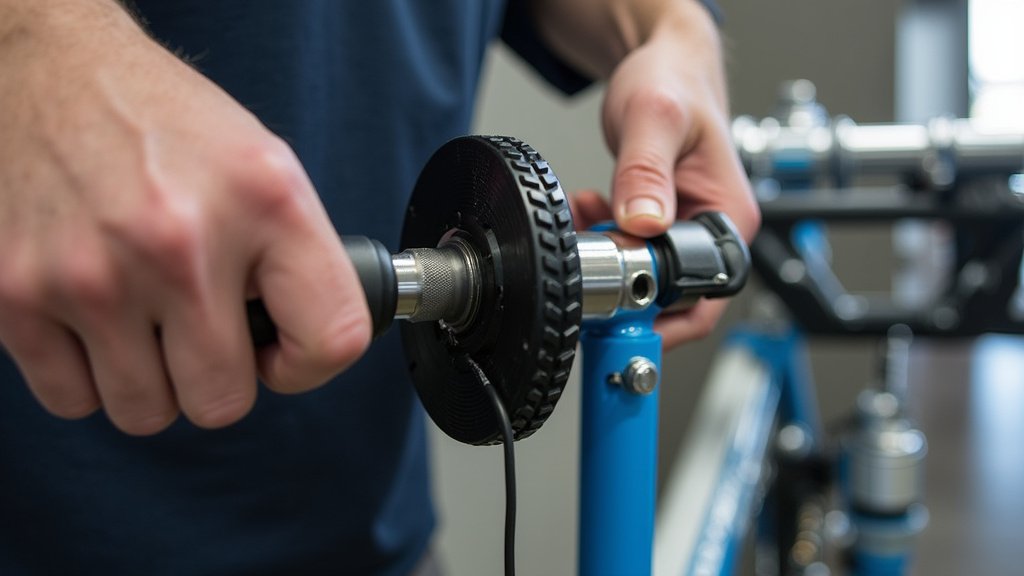
Troubleshooting Common Cable Pulley Adjustment Issues
Sometimes, things don’t go as smoothly as planned. The pin might stick, or the carriage could feel stiff. Don’t worry, these are usually minor issues. A little troubleshooting goes a long way.
Stuck Adjustment Pin or Stiff Carriage
If your pin is hard to pull, or the carriage won’t slide, it might be due to a few things. Sometimes rust or grime builds up. Other times, the weight stack might be slightly stuck, putting tension on the cable.
Try gently wiggling the handle or cable when pulling the pin. This can release any slight tension. If it’s still stiff, consult gym staff. They might need to lubricate the column. We found that regular maintenance prevents most sticking issues.
Uneven Pulley Adjustment
For exercises requiring two pulleys, ensure they are at the exact same height. An uneven setup can create asymmetrical resistance. This can lead to lopsided muscle development or even strain.
Always double-check the numbers or markers on both sides. Many machines have clear numerical indicators. Take a moment to verify both pulleys. It’s a small step that makes a big difference.
When to Adjust Pulley Height: General Guidelines
Knowing when to adjust is key to an efficient workout. You won’t change it for every single rep. But you will for different exercises and sometimes for different variations of the same exercise.
Many fitness professionals suggest thinking about the intended muscle work. Are you pushing down? Are you pulling up? Are you pressing horizontally? Your pulley height should match the desired line of force.
- Changing Exercises: Always adjust for a new exercise.
- Targeting Different Angles: Vary height to hit muscles from new angles.
- Warm-ups vs. Working Sets: Sometimes a slightly different height is used for warm-up sets to allow more controlled movement.
- Between Individuals: Different body heights require different pulley settings, even for the same exercise.
Adjusting the cable pulley height is a fundamental skill for anyone using a cable machine. It empowers you to customize your workout. It allows you to maximize gains. And it keeps you safe. Take your time, get it right, and enjoy the benefits of a perfectly tuned exercise!
Conclusion
You now have all the knowledge to confidently adjust your cable machine. Understanding its simple mechanisms and the impact of height ensures a safer, more effective workout. Remember, a precisely set pulley isn’t just about comfort; it’s about targeting muscles correctly and preventing strain.
By taking a few extra seconds to adjust your settings, you transform simple movements into highly optimized exercises. So, embrace these adjustments during your next session. We’re confident you’ll feel the difference firsthand.
Frequently Asked Questions
What’s the best cable pulley height for chest press?
For a standard cable chest press, set the pulleys to about shoulder height. This angle best mimics a traditional flat bench press, effectively engaging your pectoral muscles. Adjust slightly lower if you want to target the upper chest more.
Can I hurt myself if the pulley height is wrong?
Yes, an incorrect pulley height can lead to awkward body mechanics and joint strain, increasing your risk of injury. It can also reduce the effectiveness of the exercise. Always prioritize proper form and setup.
How do I know what height to choose for a new exercise?
Start by considering the muscle you want to work and its natural line of pull. For example, to pull down, set the pulley high. To curl up, set it low. Many machines have exercise charts to guide you.
Do I need to adjust both pulleys if I’m doing a single-arm exercise?
No, for single-arm exercises, only adjust the pulley you are actively using. However, ensure the unused pulley is clear of your movement path and securely locked into position to prevent accidents.
My gym’s cable machine doesn’t have numbers. How do I know the height?
Use your body as a guide! Set the pulley high (above your shoulder), mid (shoulder/chest level), or low (hip level or below) relative to your own height. Consistency is key, so make a mental note of your chosen reference point.