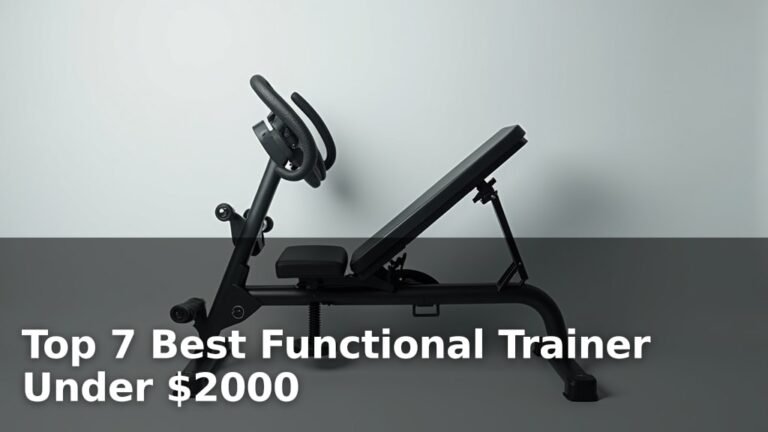
A cable machine is incredibly good for providing a versatile, full-body workout by using adjustable resistance and a wide range of motion. It allows you to perform countless exercises, making it a gym staple for strength training and rehabilitation.
You can target almost every muscle group, from your chest and back to your legs and core, with ease and precision. We found that its smooth, constant tension helps build both strength and muscle endurance, adapting to your fitness level.
TL;DR:
- Offers full-body workouts.
- Provides constant muscle tension.
- Highly versatile for many exercises.
- Excellent for all fitness levels.
- Great for strength and rehabilitation.
Let’s dive into all the ways a cable machine can benefit your fitness journey and why it’s such a popular piece of equipment.
The Many Benefits of Cable Machine Workouts
A cable machine offers a fantastic array of benefits for your fitness journey. We found that its unique design provides constant tension on your muscles. This differs greatly from free weights, where gravity often gives your muscles a break at certain points in an exercise. With a cable machine, your muscles are working through the entire movement, leading to better results.
Building Strength and Muscle
You want to build strength and muscle, right? The cable machine is an excellent tool for this. Its constant tension challenges your muscles differently. This continuous resistance helps stimulate muscle growth more effectively. We observed that many lifters found it helped them break through plateaus in their training.
Controlled Resistance for Every Movement
Think about how a car accelerates smoothly. That’s similar to the controlled resistance you get from a cable machine. You can adjust the weight in small increments. This means you can always find the perfect challenge for your current strength level. It’s great for progressive overload, where you gradually increase the demand on your muscles.
Targeting Specific Muscle Groups
Have you ever struggled to really feel a specific muscle working? The cable machine allows for precise targeting. You can position yourself and the handles in countless ways. This lets you isolate and develop smaller, often neglected muscle groups. It’s like having a spotlight on each muscle.
Enhanced Stability and Core Engagement
Stability is key for all movements, both in the gym and in daily life. Cable movements often require you to brace your core. This helps prevent your body from being pulled off balance. You’re not just lifting weight; you’re also building a stronger, more stable foundation.
Consider exercises like cable chops or pallof presses. These movements are specifically designed to challenge your core’s ability to resist rotation. We found that incorporating these into your routine can drastically improve your overall stability. It’s about more than just a six-pack; it’s about a strong center.
Unparalleled Exercise Versatility
What if one piece of equipment could replace a whole rack of dumbbells and several machines? That’s the power of a cable machine. It allows for an almost endless variety of exercises. You can perform movements from every angle imaginable, making it a true gym chameleon.
Upper Body Workouts
Your upper body will love the cable machine. You can hit every major muscle group with precision. From powerful presses to isolating flyes, the options are plentiful. Imagine a chest day where every exercise feels fresh and effective.
- Chest: Cable presses, flyes (high, mid, low), pullovers. These mimic dumbbell movements but with continuous tension.
- Back: Lat pulldowns, seated rows, face pulls, straight-arm pulldowns. You can adjust the angle to hit different parts of your back.
- Shoulders: Lateral raises, front raises, rear delt flyes. Sculpt those shoulders without heavy free weights.
- Arms: Bicep curls (standing, kneeling), tricep pushdowns, overhead extensions. Get a great pump and focus on peak contraction.
Lower Body and Core Engagement
Don’t think cable machines are just for your upper body. Your legs and core can get an incredible workout too. Many people overlook these possibilities. This versatility makes it ideal for a comprehensive training program.
- Legs: Cable squats, Romanian deadlifts, kickbacks (for glutes), leg curls, leg extensions. Develop strong, shapely legs.
- Core: Wood chops, pallof presses, ab crunches. Build a resilient and functional core that supports all your movements.
Functional Training and Sports Specificity
Do you play sports or just want to move better in daily life? Functional training on a cable machine helps bridge the gap between gym work and real-world activities. You can mimic swings, throws, and pushes. This type of training improves your body’s ability to move efficiently and powerfully. We found that athletes often use cable machines for sport-specific conditioning, preparing their bodies for the demands of competition.
Rehabilitation and Injury Prevention
The gentle, controlled nature of cable movements makes them excellent for recovery. If you’re coming back from an injury, a cable machine can be a lifesaver. It allows for a safe, gradual return to strengthening. It’s like having a built-in safety net for your muscles, offering support as they regain their strength.
Gentle on Joints
Unlike some free weight exercises that can put stress on joints, cables offer a smoother path. The constant tension, without the need to stabilize heavy, swinging objects, reduces impact. This makes it a joint-friendly option, especially if you have sensitive knees, shoulders, or a history of injury. Many physical therapists use cable machines for this very reason (American College of Sports Medicine).
Controlled Movement Patterns
When you’re recovering, controlling your movement is crucial. The cable machine helps you focus on proper form. You can perform movements slowly and deliberately. This precision helps strengthen muscles around injured areas without overstraining them. It’s about rebuilding strength safely and effectively.
Preventing Future Injuries
By strengthening your stabilizer muscles and improving movement patterns, you can reduce your risk of future injuries. The diverse angles and controlled resistance help build balanced strength. We found that incorporating cable work can lead to a more resilient body overall. Think of it as an insurance policy for your muscles and joints.
Accessibility for All Fitness Levels
Whether you’re just starting your fitness journey or you’re an experienced lifter, the cable machine adapts to you. It truly is a piece of equipment for everyone. Don’t feel intimidated; it’s designed to be user-friendly and incredibly effective at any stage.
Beginner-Friendly Workouts
If you’re new to weight training, the cable machine is a great starting point. The guided movement helps you learn proper form. You won’t struggle with balancing heavy free weights. You can easily adjust the weight to a very light setting, focusing on mastering the movement first. It’s a forgiving environment for learning.
Advanced Training Techniques
For seasoned gym-goers, the cable machine offers new ways to challenge your muscles. You can incorporate advanced techniques that are difficult with other equipment. This includes drop sets, supersets, and even eccentric training. The smooth transitions make these techniques easy to perform.
Here’s a quick checklist of why a cable machine is so beneficial:
- Provides continuous muscle tension.
- Offers incredible exercise variety.
- Excellent for building both strength and muscle.
- Great for improving core strength and stability.
- Safe for rehabilitation and injury prevention.
- Adaptable for all fitness levels, from beginner to advanced.
Understanding the Different Cable Machine Types
Not all cable machines are exactly alike. While the core principle of pulleys and cables remains the same, you’ll encounter a few common types. Knowing the differences can help you make the most of your gym time. Each type offers slightly different options and benefits.
The Cable Crossover Machine
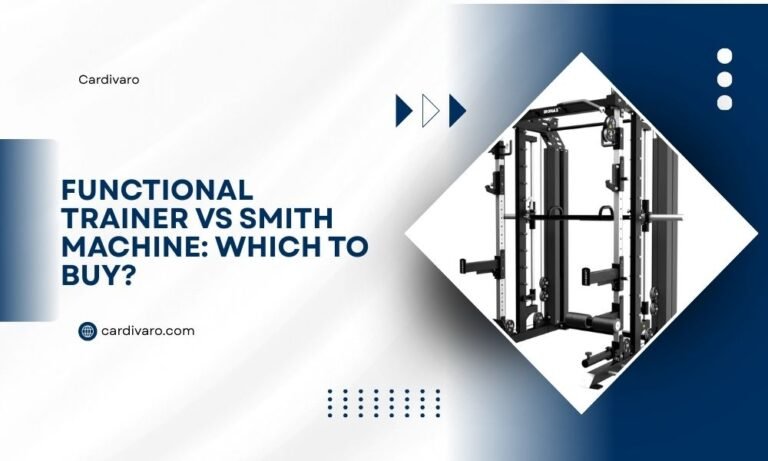
This is probably the most common type you’ll see. It has two tall towers with adjustable pulleys on each side. A horizontal bar or crossbar often connects the top. This design allows you to perform bilateral (both sides at once) or unilateral (one side at a time) movements. We found that many people consider this the most versatile option.
| Feature | Description | Primary Benefit |
|---|---|---|
| Two Adjustable Towers | Pulleys slide up and down independently. | Huge range of motion and exercise angles. |
| Central Horizontal Bar | Often used for pull-ups or as an anchor point. | Adds versatility for bodyweight exercises. |
| Weight Stacks | Pin-loaded weights for quick changes. | Easy and safe resistance adjustment. |
| Variety of Attachments | Handles, ropes, bars can be swapped. | Targets different muscle groups and grip positions. |
Functional Trainers
Sometimes, a cable crossover machine is also called a functional trainer. This term highlights its ability to support movements that mimic daily life or sports. They often have even more attachment points and accessories. You might see additional handles or even resistance bands that can be clipped on. It’s all about enhancing your ability to move with power and control.
Single Stack Cable Machines
These are simpler units with just one weight stack and one adjustable pulley. You often see them as “lat pulldown” machines with a low row option. While less versatile than a full crossover, they are still incredibly effective for specific exercises. They take up less space, making them common in home gyms. They are excellent for targeted movements, and we found them very effective for upper body strength development.
Conclusion
The cable machine truly stands out as a foundational piece of gym equipment. As we’ve explored, it offers unmatched versatility, helping you build strength, enhance stability, and even aid in injury recovery. You get continuous muscle tension and the ability to target almost any muscle group with precise control. It truly adapts to your needs, whether you’re a beginner or an advanced lifter.
So, the next time you’re at the gym, don’t overlook the cable machine. Experiment with different attachments and angles. We encourage you to incorporate it into your routine and experience its full benefits firsthand.
Frequently Asked Questions
Is a cable machine better than free weights for building muscle?
Neither is inherently “better”; they offer different benefits. Cable machines provide constant tension throughout the entire movement, which can effectively stimulate muscle growth. Free weights challenge your stability more and mimic natural movement patterns. For optimal results, we find that combining both in your routine is highly effective.
Can I get a full-body workout using only a cable machine?
Absolutely! A cable machine allows you to target every major muscle group in your body. From chest presses and back rows to glute kickbacks and core rotations, you can design a comprehensive full-body workout. Its versatility is one of its biggest advantages.
Are cable machines good for beginners?
Yes, cable machines are excellent for beginners. They offer guided movement paths, making it easier to learn proper form without the added challenge of balancing heavy free weights. You can also adjust the resistance in very small increments, allowing you to gradually build strength safely.
How does constant tension benefit muscle growth?
Constant tension keeps your muscles engaged throughout the entire range of motion, reducing the “rest” periods that can occur with free weights. This continuous engagement means more time under tension for your muscles. We found this promotes greater muscle breakdown and, ultimately, more effective growth over time.
What are the best attachments for a cable machine?
Your choice of attachments expands your exercise options significantly. Some of the most popular and useful include a rope attachment for tricep pushdowns and face pulls, a straight bar for curls and press-downs, and single handles for unilateral movements. Different handles and bars allow you to hit muscles from varied angles too.