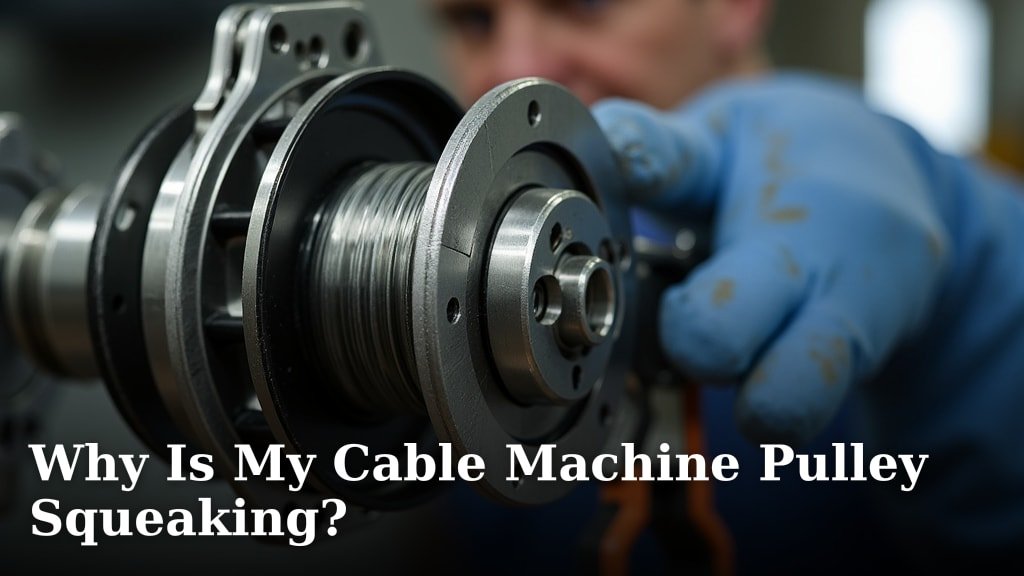
Your cable machine pulley is squeaking because of friction caused by lack of lubrication, often due to dust and dirt buildup, or sometimes from worn-out components like bearings. These common issues create resistance and noise.
You’re not alone if you’ve noticed this annoying sound during your workouts; it’s a very common problem with gym equipment. We found that the main culprits are usually simple maintenance oversights or parts that need replacing. But don’t worry, these issues are often easy to fix.
- Squeaking is due to friction.
- Lack of lubrication is a big cause.
- Dirt and dust build up.
- Worn bearings can be to blame.
- Most fixes are straightforward.
So, what exactly can you do to silence that noisy pulley and get back to a smooth workout? Let’s walk through how to identify the specific problem and fix it, step by step.
Understanding Why Your Cable Machine Pulley Squeaks
If you’re hearing that annoying squeak, it usually comes down to friction. Something is rubbing against something else that it shouldn’t be, or not smoothly enough. This resistance creates the sound you hear.
Common Causes of Pulley Squeaking
We’ve found that several key factors contribute to a noisy cable machine. Most of these are fairly straightforward to identify once you know what to look for. Think of it like a car; a strange noise often points to a specific issue.
Lack of Lubrication
This is arguably the most common culprit. Pulleys need to spin freely. Without proper lubrication, the metal parts grind against each other. It’s like trying to slide a heavy box without oiling the floor; it just won’t move smoothly.
- Dry bearings: The small bearings inside the pulley are designed to reduce friction. If they dry out, they’ll squeak.
- Cable sheath friction: Sometimes, the cable itself can rub against the housing or the pulley’s groove if it’s not well-lubricated.
- General wear: Over time, even with lubrication, parts can simply dry out from use and exposure to air.
Dust and Dirt Buildup
Gym environments can be dusty, and that dust settles everywhere. When it gets into your pulley system, it acts like sandpaper. Fine particles get trapped in the bearings or between moving parts, creating unwanted friction and noise. We found that even a thin layer can cause significant issues.
- Blocked bearings: Dirt can impede the smooth operation of the ball bearings.
- Sticky residue: Sweat and old lubricant can combine with dust to form a sticky, noisy mess.
- Reduced efficiency: Beyond the noise, dirt makes your machine harder to use and less effective.
Worn-Out Bearings
Bearings are little miracles of engineering, but they don’t last forever. If the bearings inside your pulley are old, damaged, or corroded, they won’t spin freely. This leads to a distinct squeaking or grinding sound. It’s a sign that they’re failing and need attention.
- Rust or corrosion: Moisture in the air can cause metal bearings to rust, leading to rough movement.
- Physical damage: Hard impacts or long-term heavy use can deform or crack the bearing components.
- Age: Like any mechanical part, bearings have a lifespan.
Cable Issues
The cable itself can sometimes be the source of the squeak. It might be rubbing against something it shouldn’t, or it could be fraying. We found that this is less common than bearing issues but still worth checking.
- Fraying cable: A cable with broken strands can catch on the pulley groove.
- Misaligned cable: If the cable isn’t sitting correctly in the pulley’s groove, it can rub against the sides.
- Stiff cable: An older, less flexible cable might not glide as smoothly.
Diagnosing the Squeak: Where Exactly is it Coming From?
Before you can fix the problem, you need to pinpoint its origin. This step is crucial. Imagine trying to fix a leaky faucet without knowing which part is leaking. It’s a waste of time and effort. We recommend a systematic approach.
Step-by-Step Inspection
Let’s go through this together. You’ll want to carefully examine each part of the pulley system while mimicking its operation. This helps you isolate the noise.
Listen Closely
The first step is simple: listen. Operate the cable machine slowly. Can you tell if the squeak is coming from a specific pulley? Is it the top one, a bottom one, or one in the middle? Moving the weight stack up and down slowly will help you isolate the sound.
- Isolate the pulley: Try to identify which specific pulley is the loudest.
- Reproduce the sound: Operate the machine at different speeds to see if the sound changes.
Visual Inspection of Pulleys and Cables
Once you’ve narrowed down the general area, it’s time for a visual check. Look for anything out of place or damaged. Think of yourself as a detective, looking for clues.
- Check for debris: Look for dust, hair, or other foreign objects lodged in or around the pulley.
- Examine the cable: Is it frayed? Is it sitting properly in the pulley’s groove?
- Look at the bearings: Can you see any rust, cracks, or signs of wear on the bearing housing?
Touch and Feel Test
Sometimes, your eyes aren’t enough. Gently spin each pulley by hand (when the machine is safe and not under load). Do any feel rough or gritty? Does one feel tighter than the others? A smooth spin indicates a healthy pulley, while resistance or a bumpy feel suggests an issue.
- Spin each pulley: Carefully rotate each pulley individually.
- Feel for resistance: Does it spin freely or does it drag?
- Note any grinding: Can you feel or hear a subtle grinding when spinning it by hand?

Effective Solutions to Silence Your Squeaky Pulley
Good news! Most squeaking issues can be resolved with some basic maintenance. You don’t always need to call a technician or buy new parts. We found that many problems are easily fixed with a little time and the right products.
Cleaning and Lubrication
This is your first line of defense. Often, a good clean and a fresh application of lubricant are all that’s needed to banish that squeak.
The Right Lubricant for the Job
Not all lubricants are created equal. You need a silicone-based or dry lubricant designed for fitness equipment. Avoid WD-40, as it’s primarily a degreaser and can attract more dust over time, making the problem worse (Cleveland Clinic). A spray lubricant with a straw applicator works best for getting into tight spaces.
- Silicone spray: Excellent for pulleys and cables.
- Dry lubricants: Good for areas where you want to avoid attracting dust.
- Grease: Some bearing types might benefit from a small amount of specialty grease, but this is less common for standard gym pulleys.
Cleaning Process
Before you lubricate, you must clean. Use a clean cloth, a brush, or even compressed air to remove dust, dirt, and old lubricant from the pulleys and cables. Pay special attention to the bearing areas. You want to create a clean surface for the new lubricant to work effectively.
Here’s a quick checklist for cleaning:
- Gather your cleaning supplies (cloths, brushes, compressed air, appropriate lubricant).
- Unload any weights from the cable machine to ensure safety.
- Carefully wipe down visible dirt from pulleys and cables.
- Use compressed air to blow out dust from bearing crevices.
- Apply lubricant sparingly but thoroughly to the pulley bearings and cable path.
- Operate the machine gently to work the lubricant in.
- Wipe off any excess lubricant.
Replacing Worn Components
If cleaning and lubricating don’t fix the squeak, it might be time for a replacement. Don’t worry, these parts are usually available directly from the manufacturer or specialty gym equipment suppliers.
When to Replace Pulleys or Bearings
If you’ve cleaned and lubricated and the squeak persists, or if you visually identify damage like cracks, severe rust, or a wobbly pulley, replacement is the next step. A grinding noise after lubrication is a strong indicator of bad bearings.
It’s generally recommended to replace the entire pulley assembly if the bearings are integrated and failing, rather than trying to replace just the bearings yourself unless you’re experienced with such repairs. We found that replacing the whole pulley is often easier and more reliable for most users.
| Symptom | Likely Cause | Recommended Fix |
|---|---|---|
| High-pitched squeak, intermittent | Lack of lubrication, minor dust | Clean and lubricate thoroughly |
| Constant squeal, gritty feel | Heavy dirt/debris, old dry lubricant | Deep clean, heavy lubrication |
| Grinding noise, wobble, persistent squeak | Worn or damaged bearings/pulley | Replace pulley/bearings |
| Cable catching or rubbing | Frayed cable, misalignment | Inspect cable, adjust alignment, replace cable if damaged |
Replacing the Cable
If your cable is frayed, showing visible signs of wear, or is the source of the noise even after lubrication, it’s time to replace it. A damaged cable is not just noisy; it’s a safety hazard. Always use a cable specifically designed for your machine model. This ensures proper fit and weight capacity.
Most manufacturers provide clear instructions for cable replacement in their owner’s manuals. If you’re unsure, consider contacting the manufacturer or a professional for assistance. Your safety is paramount.
Conclusion
You now have the tools to tackle that annoying squeak coming from your cable machine. We found that most pulley noises stem from common issues like lack of lubrication or dirt buildup, which are often easy to fix yourself. By carefully diagnosing the problem—whether it’s a dry bearing, a dirty groove, or a worn-out component—you can apply the right solution.
Remember, a little routine maintenance goes a long way in extending the life of your equipment and ensuring smooth, quiet workouts. So, take action, get your machine running silently again, and enjoy your fitness journey without distractions!
Frequently Asked Questions
How often should I lubricate my cable machine pulleys?
We recommend lubricating your cable machine pulleys every 3-6 months, depending on how frequently you use the machine. High-usage gyms might need more frequent lubrication. Always listen for new noises as a sign it might be time for a refresh.
Can I use any household oil to lubricate my pulleys?
No, you should avoid using general household oils like WD-40 or cooking oil. These can attract dust and dirt, making the problem worse over time. Stick to silicone-based or dry lubricants specifically designed for fitness equipment.
What’s the best way to clean inside the pulley bearings?
The best way to clean inside pulley bearings is to use compressed air to blow out any trapped dust and debris. After blowing it clean, apply your appropriate lubricant. This helps dislodge particles that a cloth can’t reach.
How can I tell if my cable is frayed without taking the machine apart?
You can often tell if your cable is fraying by visually inspecting it along its entire length, especially where it passes over pulleys. Look for any visible strands sticking out or a fuzzy appearance. You can also carefully run a gloved hand along the cable to feel for snags.
Is it safe to use a cable machine with a squeaky pulley?
While a minor squeak from lack of lubrication might not be immediately dangerous, a persistent squeak or grinding noise can indicate a more serious issue like a worn bearing or a fraying cable. We recommend addressing the noise promptly to prevent further damage and ensure your safety during workouts.