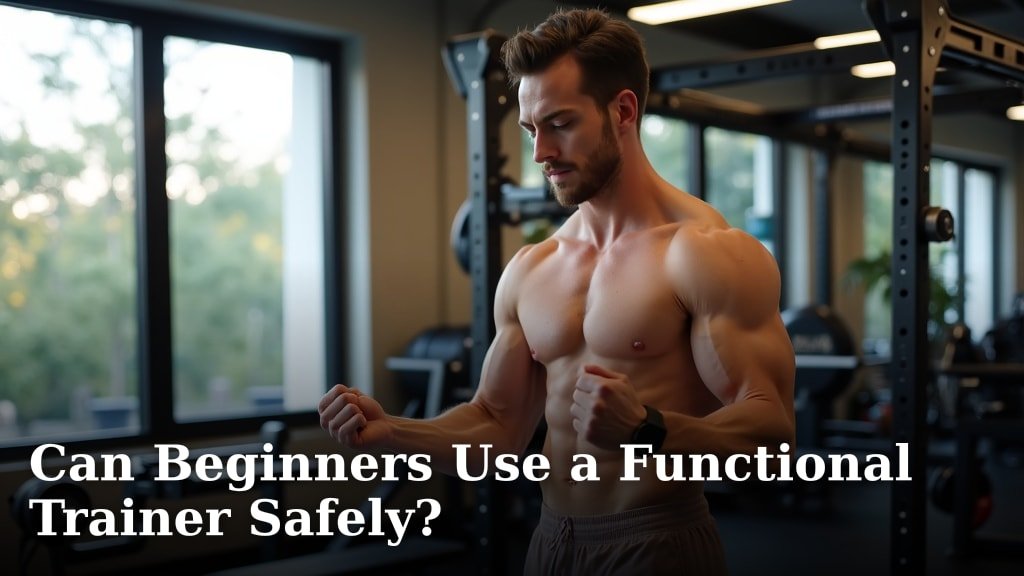
Yes, beginners can absolutely use a functional trainer safely, provided you learn the correct form and start with light resistance. Functional trainers are incredibly versatile and allow for a wide range of motion, making them great for all fitness levels.
You might be wondering if it’s too complex or only for advanced athletes. We found that with proper guidance, even those new to exercise can benefit greatly from functional trainers. They help build stability and strength in a controlled environment.
- Functional trainers are safe for beginners.
- Start with light weights and focus on form.
- They build strength and stability.
- Versatile for many different exercises.
Ready to get started? Let’s walk through everything you need to know about using a functional trainer effectively and safely, even if you’re just beginning your fitness journey.
Is a Functional Trainer Suitable for Beginning Exercisers?
Yes, a functional trainer is absolutely suitable for beginning exercisers. You can safely build foundational strength and improve movement patterns. It’s not just for pros!
Many people assume these machines are too advanced. We found that with the right approach, they are fantastic for beginners. You get to control the movement and resistance easily.
Understanding How a Functional Trainer Works
Think of a functional trainer as a sophisticated pulley system. It uses cables and weight stacks to create resistance. This resistance can be adjusted very simply, usually with a pin.
You’ll see two adjustable arms on each side. These arms can move up and down. This lets you pull from high, low, or middle positions. This adaptability is key for beginners.
Key Components for Beginners
- Weight Stacks: These are plates that provide the resistance. You can select very light weights, often as low as 5-10 pounds. This is perfect for starting out.
- Pulleys and Cables: Smooth cables run through pulleys. They offer constant tension throughout the exercise. This helps you maintain control.
- Adjustable Arms: The arms holding the pulleys can be set at various heights. This means you can mimic movements you do every day, like pulling a door or lifting groceries.
- Attachments: You’ll find different handles, ropes, and bars. These change how you grip and perform exercises. Don’t worry, you only need one or two to start.
Benefits for Newcomers to Exercise
Functional trainers offer some unique advantages, especially for someone just starting out. They help you learn good movement patterns.
We’ve seen that these machines can make exercise less intimidating. You’re often standing or sitting, mimicking natural movements. This feels more comfortable than balancing heavy free weights.
Building Foundational Strength Safely
One major benefit is how they help build strength in a controlled way. The cables guide your movement. This means you’re less likely to use poor form compared to free weights.
You can focus on feeling the right muscles work. This muscle-mind connection is vital for beginners. It helps prevent injury and makes your workouts more effective.
Improving Stability and Balance
Many functional trainer exercises require you to stabilize your body. This is excellent for balance. For example, doing a cable row means your core has to work to keep you upright.
Better stability helps in everyday life. You’ll feel more confident in your movements. Research supports that this type of training improves overall functional fitness (American Council on Exercise).
Versatility for Full Body Workouts
With a functional trainer, you can work your entire body. From chest presses to squats to core rotations, almost any exercise is possible. You won’t get bored easily.
This versatility means you don’t need a lot of other equipment. It’s an efficient way to get a full workout in one spot. This is great if you’re in a busy gym.
Safety First: How Beginners Can Use It Securely
Safety is always number one, right? Using a functional trainer is very safe if you follow a few simple rules. Don’t be afraid to ask for help from gym staff.
We found that most beginner mistakes are easy to fix. It’s usually about setting up correctly and not trying to lift too much weight too soon.
Starting with the Right Weight
Always start with the lightest weight possible. Seriously, choose a weight that feels almost too light. This lets you practice the movement without struggle.
Your goal initially isn’t to build huge muscles. It’s to master the movement pattern. You can always increase the weight later, one plate at a time.
Focusing on Proper Form
Form is everything. If your form is off, you risk injury and won’t get the most out of the exercise. Imagine you’re drawing a picture of the movement in the air.
Watch videos or ask a trainer to show you. Your movements should be smooth and controlled, not jerky. Don’t let the weight stack slam down.
Using the Right Attachments
For beginners, simpler is better. Start with basic handles or a rope attachment. These are generally easier to grip and control.
As you get more comfortable, you can experiment. But for now, stick to what feels natural. The fewer variables, the easier it is to focus on your body.
Listen to Your Body
If something hurts, stop. It’s that simple. There’s a difference between muscle fatigue and sharp pain. Sharp pain is a warning sign.
Don’t push through pain. Adjust the weight, change your form, or choose a different exercise. Your body will thank you later.
Here’s a quick checklist to help you stay safe:
- Start with the absolute lightest weight.
- Watch a tutorial or ask for a demonstration.
- Maintain a slow, controlled movement.
- Keep your core engaged for stability.
- Stop immediately if you feel any sharp pain.
Common Beginner Exercises to Try
Ready to try some movements? We recommend starting with exercises that mimic everyday actions. This helps build functional strength.
Remember, it’s about quality over quantity. Two or three sets of 10-15 repetitions with good form are much better than sloppy, heavy lifting.
Table: Beginner-Friendly Functional Trainer Exercises
| Exercise | Body Part Targeted | Beginner Tip |
|---|---|---|
| Cable Chest Press | Chest, Shoulders, Triceps | Stand in the middle, press cables straight forward. |
| Cable Row | Back, Biceps | Sit or stand, pull handles towards your core, squeeze shoulder blades. |
| Cable Bicep Curl | Biceps | Stand facing the machine, keep elbows tucked in, curl handles up. |
| Cable Tricep Pushdown | Triceps | Stand facing machine, push rope or bar down, keep elbows still. |
| Cable Wood Chop (High to Low) | Core, Obliques | Start with light weight, rotate torso, chop down and across your body. |
| Cable Squat | Legs, Glutes | Hold handles, squat down as if sitting in a chair, keep chest up. |
These exercises cover your major muscle groups. They also teach you how to move your body with resistance. You’ll build confidence quickly.
When to Seek Professional Guidance
While you can certainly learn on your own, sometimes a little expert help goes a long way. Don’t hesitate to ask for assistance.
Many gyms offer a free session with a personal trainer. This is a perfect opportunity to learn the ropes of the functional trainer. They can correct your form right away.
Benefits of a Personal Trainer for Beginners
- They can assess your current fitness level.
- They show you correct form in real-time.
- They create a personalized workout plan for you.
- They can help you choose appropriate weights.
- They offer motivation and accountability.
We’ve found that even one or two sessions can make a huge difference. You’ll feel much more confident and independent after that initial guidance.
Maintaining Consistency for Progress
The key to seeing results isn’t just about what you do, but how often you do it. Consistency is your best friend when starting any fitness journey.
Aim for 2-3 sessions per week on the functional trainer. Give your muscles time to rest and recover between workouts. That’s when they get stronger.
Tracking Your Progress
Consider keeping a simple log of your workouts. Write down the exercises you did, the weight you used, and how many reps. This helps you see how far you’ve come.
Seeing your strength improve is a great motivator. Did you lift 5 more pounds this week? That’s progress! It encourages you to keep going.
Conclusion
You’ve seen that functional trainers are a fantastic tool, even for beginners. They offer a safe, controlled way to build strength and improve stability. By focusing on proper form and starting with light weights, you can confidently integrate this versatile machine into your routine.
Don’t be intimidated; we’ve found that consistency and a willingness to learn are your best assets. Listen to your body and don’t hesitate to seek guidance. Your fitness journey is unique, and a functional trainer can be a powerful ally. Take that first step and discover the benefits for yourself!
Frequently Asked Questions
Can I get a full-body workout with just a functional trainer?
Absolutely! A functional trainer allows you to perform exercises for nearly every muscle group, from your legs and core to your chest, back, and arms. Its versatility means you can achieve a balanced, full-body workout without needing other equipment.
How do I know what weight to start with on a functional trainer?
Always start with the lightest weight possible, typically 5-10 pounds. Your focus should be on mastering the movement pattern with good form, not lifting heavy. If you can perform 10-15 repetitions with perfect form, then you can gradually increase the weight.
Is a functional trainer better than free weights for beginners?
For beginners, a functional trainer can offer more controlled movements and constant tension, which helps in learning proper form and reduces injury risk. Free weights require more stabilization. Many beginners find the guided path of a functional trainer less intimidating initially.
How often should a beginner use a functional trainer?
For beginners, 2-3 sessions per week are a great starting point. This frequency allows your muscles enough time to recover and adapt between workouts. Consistency is key for seeing progress and building strength over time.
What if I feel pain during an exercise on the functional trainer?
If you feel any sharp or unusual pain, stop the exercise immediately. Do not try to push through it. Re-evaluate your form, reduce the weight, or choose a different exercise. If the pain persists, consult a fitness professional or medical expert.