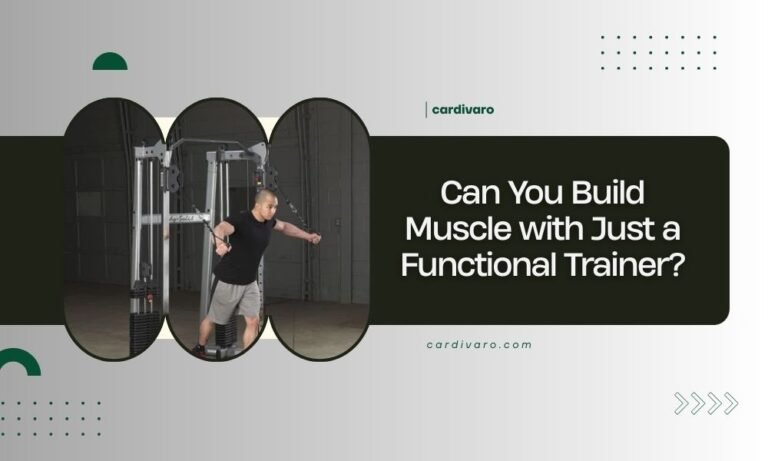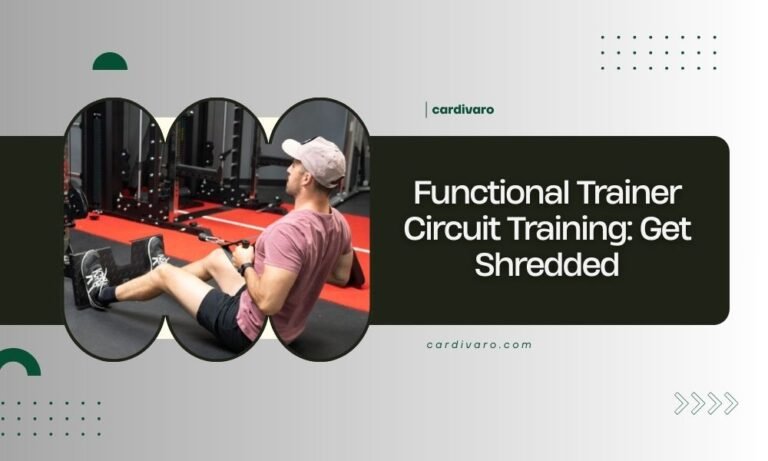
Yes, you can absolutely create a fantastic home gym with just a functional trainer. It offers a huge range of exercises for a full-body workout, making it a very versatile piece of equipment.
You might be surprised by how much you can achieve. A functional trainer lets you hit almost every major muscle group. We found it’s a smart choice for anyone looking for flexibility and strength in a compact space.
- A functional trainer offers a full-body workout.
- You can perform hundreds of exercises.
- It’s excellent for strength, cardio, and flexibility.
- It saves space compared to multiple machines.
- It’s a smart investment for a versatile home gym.
Ready to see how a single machine can transform your fitness routine? Let’s dive into all the possibilities.
Building Your Home Gym with Just a Functional Trainer
A functional trainer can be the heart of your home gym. It’s incredibly adaptable. You can achieve amazing fitness results with this one machine.
What Exactly is a Functional Trainer?
Think of a functional trainer as two adjustable cable pulleys on either side of a sturdy frame. You can move these pulleys up and down. This lets you pull cables from almost any angle.
It’s different from a traditional cable machine. A functional trainer lets you use cables independently. This means you can mimic everyday movements. We found it’s excellent for building practical strength.
Functional Training vs. Traditional Machines
Traditional machines often isolate one muscle. A leg press, for example, focuses just on your legs. A functional trainer involves more of your body. It uses multiple muscles at once, like when you’re pushing a heavy door or lifting groceries.
This “functional” aspect means your workouts transfer better to real life. Many trainers agree that this builds useful strength and stability (American Council on Exercise).
The Incredible Versatility of a Single Machine
This is where a functional trainer truly shines. It’s not just for strength training. You can do so much more. Have you considered how many exercises are possible?
We found you can perform hundreds of different movements. This keeps your workouts fresh and engaging. You won’t get bored with the same routine.
Full-Body Workout Possibilities
Let’s break down how you can hit every major muscle group:
- Upper Body: You can do chest presses, rows, bicep curls, tricep extensions, and shoulder raises. The cables provide constant tension.
- Lower Body: Think squats, lunges, leg abductions, and hamstring curls. The adjustable height makes these movements comfortable for anyone.
- Core: Rotational exercises, Pallof presses, and wood chops are fantastic for core strength. This improves your balance and stability.
This variety helps prevent plateaus. You can always find a new way to challenge your muscles.
Beyond Strength: Cardio and Flexibility
Yes, you can even get your heart rate up! Fast-paced circuits with minimal rest are a great option. Try alternating between upper body, lower body, and core exercises. This creates a challenging metabolic workout.
For flexibility, the cables offer a unique kind of assistance. You can use light resistance for controlled stretches. This helps improve your range of motion over time.
Space-Saving Design and Smart Investment
One of the biggest reasons to choose a functional trainer is its compact footprint. It replaces many machines. This is especially important if you have limited space at home.
Instead of a squat rack, bench press, and separate cable machine, you get one unit. Think about the floor space you’ll save!
Cost-Effectiveness Compared to Multiple Machines
Buying individual pieces of gym equipment adds up quickly. A good functional trainer is an investment. But it’s often much cheaper than buying equivalent standalone machines. You get more bang for your buck, as we found in our research.
Plus, you avoid the cost of gym memberships. This can save you a lot of money in the long run.
Key Accessories to Maximize Your Functional Trainer
While the trainer itself is powerful, a few accessories make it even better. These expand your exercise options significantly. Don’t skip these if you want a complete setup.
| Accessory | Benefit | Common Exercises |
|---|---|---|
| Adjustable Bench | Allows for seated and lying exercises; supports posture. | Chest press, incline rows, seated shoulder press. |
| Various Handles | Offers different grip options; targets muscles uniquely. | Single handle rows, tricep ropes, ankle straps. |
| Resistance Bands | Adds progressive overload or assistance; warm-ups. | Band-assisted pull-ups (if applicable), extra resistance for squats. |
| Yoga Mat | Comfort for floor exercises; improves grip. | Planks, crunches, stretching. |
Setting Up Your Functional Trainer Home Gym Checklist
Once you have your functional trainer, consider these points. This helps create a safe and effective workout space:
- Clear Area: Ensure you have enough room around the machine. You need space to move freely.
- Stable Flooring: Place it on a flat, sturdy surface. Rubber mats can protect your floor and absorb sound.
- Good Lighting: Brighten your workout zone. This improves safety and motivation.
- Hydration Station: Keep a water bottle nearby. Staying hydrated is key.
- Mirror (Optional but helpful): A mirror lets you check your form. This helps prevent injuries.
- Music or Podcast: What motivates you? Set up your favorite tunes or educational content.
Thinking about these details makes a big difference in your home gym experience.
Getting Started: Tips for Beginners
Are you new to functional trainers? Don’t worry. They are very beginner-friendly. Start slow and focus on good form.
Watch some videos or try a guided program. Many fitness apps now feature functional trainer workouts. We suggest beginning with lighter weights. Gradually increase resistance as you get stronger.
Form Over Weight
This is crucial. Incorrect form can lead to injury. Always prioritize correct movement patterns. Functional trainers allow for smooth, controlled movements. Use this to your advantage. You’ll build strength more effectively and safely.
Remember, consistency is more important than intensity in the beginning. Regular workouts will yield the best results.
The Long-Term Benefits for Your Fitness Journey
Investing in a functional trainer is investing in your health. It offers a convenient, effective way to stay active. Think about the time saved by not commuting to a gym.
You can fit workouts into your busy schedule. A quick 30-minute session at home is often more achievable than a longer gym trip. This makes it easier to stick to your fitness goals (National Institutes of Health).
We believe this versatility will keep you engaged for years to come. Your home gym can truly be just a functional trainer.
Conclusion
As you’ve seen, a functional trainer is far more than just another piece of equipment. It truly can be the cornerstone of a incredibly versatile and effective home gym. You’re not sacrificing variety or results by choosing this single machine.
We found it provides endless exercise possibilities for strength, cardio, and flexibility. Plus, it’s a smart, space-saving investment. Get ready to transform your fitness journey right from home.
Now, take the next step: start exploring functional trainer models that fit your space and budget.
Frequently Asked Questions
Is a functional trainer good for beginners?
Absolutely! Functional trainers are very beginner-friendly. You can start with light resistance and focus on mastering your form. This helps build a strong foundation safely.
Can I build significant muscle with only a functional trainer?
Yes, you can build significant muscle. The constant tension from cables provides a unique stimulus for muscle growth. You can progressively increase resistance as you get stronger.
How much space do I really need for a functional trainer?
While compact, you’ll need enough room to perform movements comfortably. Aim for at least 2-3 feet of clear space around the machine. This allows for full range of motion without hitting walls or furniture.
Do functional trainers come with all the necessary attachments?
Many functional trainers include basic attachments like D-handles and a straight bar. However, we found that investing in additional accessories, like an adjustable bench or ankle straps, greatly expands your workout options.
How often should I clean and maintain my functional trainer?
Regular maintenance is important for longevity and safety. Wipe down the machine after each use to remove sweat. Periodically check cables for wear and ensure all bolts are tightened. This keeps your equipment in top condition.