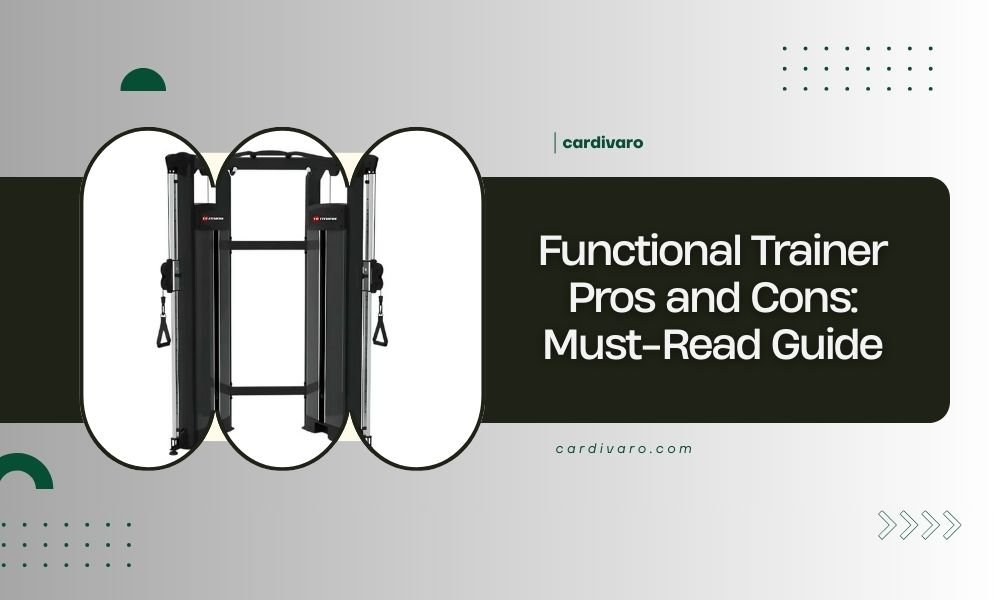
Functional trainers offer complete full-body workouts with cable resistance systems, but they cost $1,500-$8,000 and need significant floor space.
The biggest functional trainer pros include versatile exercises and smooth resistance, while the main cons are high price and large footprint requirements.
What Is a Functional Trainer?
A functional trainer is a cable-based gym machine with two weight stacks. You can adjust the cables to different heights and angles. This lets you copy natural body movements like pushing, pulling, and rotating.
Think of it as having two cable machines facing each other. You can work both arms at once or focus on one side. The cables move smoothly in all directions.
Major Functional Trainer Advantages
Complete Body Workout Options
You can train every muscle group with one machine. Upper body, lower body, and core exercises all work great. I found that most trainers offer 50+ different exercises.
The cable system lets you move naturally. Your joints follow their normal paths instead of fixed machine tracks.
Smooth Resistance Feel
Cable weight stacks provide steady tension throughout each rep. Free weights can feel jerky at the top or bottom of movements. Cables stay consistent.
This smooth feel reduces joint stress. Many physical therapists prefer cable exercises for rehabilitation work.
Safety Benefits
You won’t get pinned under heavy weights like with barbells. The cables won’t fall on you if you lose grip. This makes functional trainers safer for solo workouts.
The adjustable weight stacks let you change resistance quickly. No loading and unloading plates between sets.
Space Efficiency
One machine replaces multiple pieces of equipment. You don’t need separate lat pulldown, cable crossover, and pulley systems.
Most functional trainers fit in an 8×8 foot space. That’s smaller than having several individual machines.
Key Functional Trainer Disadvantages
High Purchase Cost
Quality functional trainers cost $1,500 to $8,000. Budget options start around $800 but often have durability issues.
Commercial-grade units can cost $10,000 or more. That’s a big investment for home gym owners.
Large Footprint Requirements
You need about 8×8 feet of floor space minimum. Add extra room around the sides for cable movements. Many people underestimate the total space needed.
The machines also stand 6-7 feet tall. Low basement ceilings can be a problem.
Assembly Complexity
These machines have hundreds of parts and cables. Assembly often takes 4-8 hours with two people. Some buyers hire professionals to set them up.
The instruction manuals can be confusing. YouTube videos help, but it’s still time-consuming work.
Maintenance Needs
Cable systems need regular care. You’ll check cable tension, lubricate pulleys, and inspect wear points. Research shows cable machines need more upkeep than simple free weights.
Replacement cables and parts add ongoing costs over time.
Weight and Resistance Limits
Maximum Weight Stack Size
Most home functional trainers max out at 150-200 pounds per stack. Strong lifters might outgrow this resistance for some exercises.
You can add weight plates to some models. But this makes the machine even more expensive.
Resistance Feel Differences
Cable resistance feels different than free weights. The weight doesn’t fight gravity the same way. Some lifters prefer the feel of barbells and dumbbells.
Power movements like Olympic lifts don’t work well on cables. You’ll still need free weights for explosive training.
Who Benefits Most From Functional Trainers
Perfect User Types
Home gym owners with decent budgets and space love functional trainers. They replace multiple machines with one unit.
Older adults and people with joint issues benefit from smooth cable resistance. The movements feel easier on knees, shoulders, and backs.
Busy people like the quick weight changes. No time wasted loading plates between exercises.
Less Ideal User Types
Powerlifters and serious strength athletes often prefer free weights. Cables can’t match heavy barbell movements for max strength.
People in small apartments or tight budgets should look elsewhere. The cost and space requirements are just too high.
Cost Analysis Breakdown
| Price Range | Quality Level | Expected Features |
|---|---|---|
| $800-$1,500 | Budget | Basic cables, 100-150lb stacks |
| $1,500-$3,000 | Mid-range | Smooth pulleys, 150-200lb stacks |
| $3,000-$8,000 | High-end | Commercial parts, multiple attachments |
Hidden Costs to Consider
Delivery and assembly can add $200-500 to your total cost. These machines weigh 300-500 pounds.
Floor protection mats cost another $50-100. You don’t want to damage your floors with the heavy weight stacks.
Popular Exercise Categories
Upper Body Movements
Chest presses, rows, and lat pulldowns work great. You can hit your chest, back, and arms from many angles.
The dual cables let you work arms independently. This helps fix strength imbalances between sides.
Lower Body Training
Squats, lunges, and leg presses are possible with cable attachments. The resistance feels different but still effective.
Glute kickbacks and leg curls target smaller muscle groups well. Many users love the constant tension on these movements.
Core and Functional Movements
Wood chops, anti-rotation exercises, and cable crunches build core strength. The cables let you train your midsection from all directions.
Sports-specific movements copy real activities. Tennis players can practice serving motions with resistance.
Maintenance and Longevity
Regular Care Tasks
Wipe down cables and handles after each use. Sweat and oils can break down rubber and plastic parts.
Check cable tension monthly. Loose cables don’t provide smooth resistance and can slip off pulleys.
Expected Lifespan
Quality functional trainers last 10-15 years with good care. Budget models might need replacement in 5-7 years.
The weight stacks and frame usually outlast the cable systems. Plan to replace cables every 3-5 years with heavy use.
Alternatives to Consider
Cable Crossover Machines
Single cable units cost less and take up less space. You lose some exercise options but save money and room.
Suspension Trainers
TRX-style systems use body weight for resistance. They cost under $200 and store easily. But you can’t add external weight.
Free Weight Setups
Barbells, dumbbells, and racks offer different benefits. They cost less per exercise option and last decades.
Conclusion
Functional trainers excel at providing smooth, versatile workouts in a single machine. They’re perfect for home gym owners who want complete training options without multiple machines. The cable system offers joint-friendly resistance and quick weight changes.
But the high cost and space requirements limit their appeal. Budget-conscious buyers and people in small spaces should consider alternatives. If you have the money and room, functional trainers deliver excellent workout variety and convenience for years of training.
Can you build serious muscle with a functional trainer?
Yes, you can build significant muscle with functional trainers. The cable resistance provides enough tension for muscle growth, and you can target all major muscle groups effectively.
How much space do I really need around a functional trainer?
Plan for 10×10 feet total space minimum. You need 3-4 feet clearance on each side for cable movements, plus the machine’s 6×4 foot footprint.
Are functional trainers worth it for beginners?
They’re excellent for beginners who can afford them. The smooth resistance is forgiving, the safety features prevent injury, and you can learn proper movement patterns easily.
What breaks most often on functional trainers?
Cables and pulleys wear out first, usually after 3-5 years of regular use. Handle grips and carabiners also need replacement over time, but the weight stacks and frame typically last much longer.
Can I get a good cardio workout on a functional trainer?
Yes, you can create effective cardio workouts by doing circuit training with minimal rest between exercises. The quick weight changes make it easy to keep your heart rate elevated throughout your session.