Functional trainers excel at guided movements and cable-based exercises, while kettlebells build raw functional strength through dynamic, unrestrained motion patterns.
Your choice between functional trainer vs kettlebells depends on your space, budget, and whether you prefer structured guidance or free-form strength training.
What Makes Functional Trainers Different
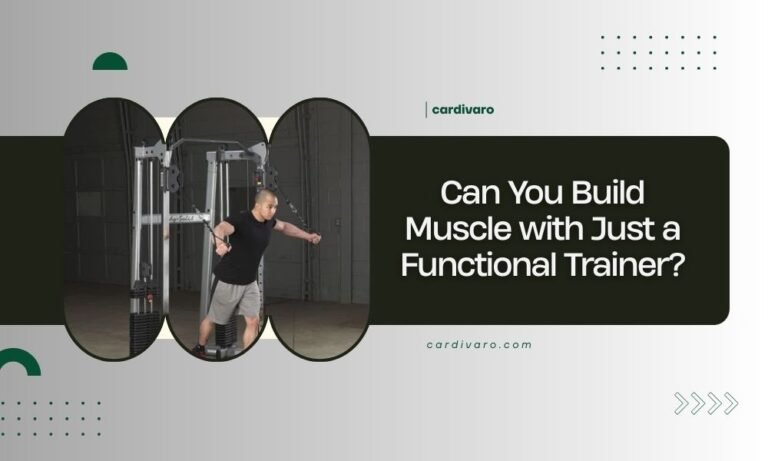
Functional trainers use adjustable cable systems with weight stacks. You pull cables from different angles and heights. The machine guides your movement path.
Think of it like training wheels for strength exercises. The cables keep you stable while you learn proper form. You can adjust resistance smoothly during your workout.
Cable System Advantages
Research from the American Council on Exercise shows cable exercises maintain constant tension throughout the entire range of motion. Your muscles work harder at both the beginning and end of each rep.
You get smooth resistance that doesn’t rely on gravity alone. This means better muscle activation during the lifting and lowering phases.
Movement Variety Options
Functional trainers let you perform hundreds of exercises. You can mimic sports movements, daily activities, and traditional gym exercises. The dual cable setup allows unilateral training where each arm or leg works independently.
Upper Body Focus
Cable crossovers target your chest from multiple angles. Lat pulldowns work your back without needing a pull-up bar. Face pulls help fix rounded shoulders from desk work.
Lower Body Applications
Cable squats reduce spine compression compared to barbell squats. Leg presses work your quads and glutes safely. You can do lateral lunges that target muscles barbells miss.
How Kettlebells Build Real Strength
Kettlebells force your body to stabilize itself during every movement. No machine guides the weight path. You control everything.
The off-center weight distribution makes your stabilizing muscles work overtime. Your core, shoulders, and hips learn to coordinate together naturally.
Ballistic Movement Benefits
Kettlebell swings, snatches, and cleans involve explosive power generation. Research from the Journal of Strength and Conditioning shows these movements improve athletic performance better than slow, controlled exercises.
You generate force quickly, just like real-world activities. Lifting a heavy box, playing sports, or catching yourself from falling all require rapid force production.
Full-Body Integration
Every kettlebell exercise works multiple muscle groups simultaneously. A Turkish get-up involves your shoulders, core, hips, and legs working together in sequence.
This mirrors how your body actually functions outside the gym. You rarely isolate one muscle group in daily activities.
Grip and Forearm Development
Kettlebell handles are thicker than dumbbells. The weight shifts during movements, challenging your grip constantly. This builds functional hand and forearm strength you use everywhere.
Cardiovascular Integration
High-rep kettlebell circuits combine strength and cardio training. Your heart rate stays elevated while building muscle. This saves time and improves both strength and conditioning.
Space and Budget Comparison
| Factor | Functional Trainer | Kettlebells |
|---|---|---|
| Floor Space | 8×6 feet minimum | 6×6 feet sufficient |
| Ceiling Height | 8 feet needed | 9 feet preferred |
| Initial Cost | $1,500-$4,000 | $200-$800 |
| Expandability | Limited add-ons | Easy to add weights |
Installation Requirements
Functional trainers arrive partially assembled. You’ll need basic tools and 2-4 hours for setup. Some models require bolting to the floor for safety.
Kettlebells need no assembly. You can start training immediately after delivery.
Learning Curve Differences
Functional Trainer Learning
Cable machines guide your movement path, making exercises safer for beginners. You focus on the muscle being worked rather than balance and coordination.
The weight stack provides consistent resistance. You can make small weight adjustments easily. This helps with progressive overload programming.
Kettlebell Skill Development
Kettlebell training requires more initial instruction. Improper swing technique can cause back injury. The learning curve is steeper but the payoff is greater.
You develop better body awareness and movement quality over time. The skills transfer to other activities better than machine-based training.
Safety Considerations
I found that most kettlebell injuries happen during the first few months when people skip proper instruction. Working with a qualified trainer initially prevents most problems.
Training Goals Alignment
Muscle Building Focus
Functional trainers excel at isolating specific muscles for growth. The guided motion and adjustable resistance make progressive overload straightforward.
Kettlebells build functional strength but aren’t optimal for pure muscle mass. The compound nature makes it harder to target individual muscles.
Athletic Performance Goals
Kettlebells transfer better to sports and real-world activities. The unstable load and ballistic movements match athletic demands more closely.
Research from the National Strength and Conditioning Association shows kettlebell training improves power output in athletes better than machine-based training.
Fat Loss Applications
Both tools work for fat loss, but through different mechanisms. Functional trainers allow longer, moderate-intensity sessions. Kettlebells provide high-intensity interval training that burns calories for hours afterward.
Long-Term Progression Paths
Functional Trainer Advancement
You progress by adding weight, increasing reps, or changing cable angles. The progression is linear and predictable. Advanced users often add resistance bands for variable resistance.
Kettlebell Progression
Kettlebell progression involves both weight increases and skill development. You master basic swings, then learn snatches, then complex flows. Each new movement pattern challenges your body differently.
Which One Fits Your Lifestyle
Time-Constrained Schedules
Kettlebells win for quick, effective workouts. A 20-minute kettlebell session can work your entire body and provide cardio benefits.
Functional trainers require more time for setup, weight changes, and cool-down between exercises.
Joint Health Considerations
People with joint issues often prefer functional trainers initially. The guided motion reduces stress on unstable joints while building supporting muscle strength.
Once you develop better stability, kettlebells can actually improve joint health through increased mobility and strength.
Conclusion
Your decision between functional trainer vs kettlebells depends on your priorities. Choose functional trainers if you want guided movements, prefer isolation exercises, and have the space and budget. Pick kettlebells if you value functional movement patterns, need efficient workouts, and want equipment that grows with your skills.
Many serious home gym owners eventually get both. Start with kettlebells if you’re unsure – they’re affordable and teach you fundamental movement patterns that benefit any future training.
Can you build muscle effectively with just kettlebells?
Yes, but it requires higher reps and longer time under tension. Kettlebells excel at building functional muscle that performs well in daily activities, though pure mass building happens slower than with traditional weights or machines.
Do functional trainers work for small home spaces?
Compact functional trainers exist but still need 8×6 feet minimum. They work in basements, garages, or dedicated workout rooms. Apartments and shared spaces usually can’t accommodate them comfortably.
Which option is better for seniors starting strength training?
Functional trainers offer safer starting points for seniors. The guided motion reduces fall risk and joint stress. Once stability improves, light kettlebells can add functional movement patterns gradually.
How long do kettlebells vs functional trainers typically last?
Quality kettlebells last decades with minimal maintenance. Functional trainers need cable replacements every 3-5 years and weight stack maintenance. Kettlebells offer better long-term value despite higher upfront quality costs.
Can you get a complete workout with either option alone?
Both provide complete workouts but in different ways. Functional trainers cover all muscle groups through isolation and compound movements. Kettlebells emphasize full-body integration and movement quality over muscle isolation.