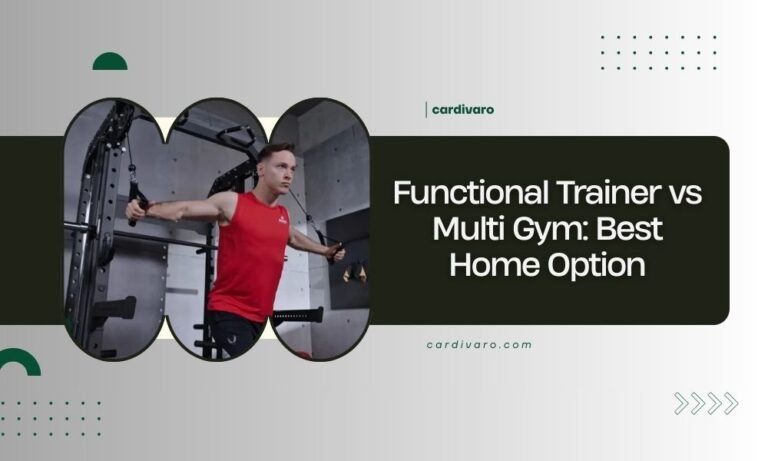
The best anti-rotation exercises on a functional trainer include cable Pallof presses, single-arm chest presses, and rotational chops that target your core stability muscles.
These movements help you build a stronger midsection by forcing your core to resist unwanted rotation while maintaining proper alignment.
What Are Anti-Rotation Exercises
Anti-rotation exercises train your core to resist twisting motions. Think of them as your body’s internal brakes. When life throws you off balance, these muscles keep you steady and strong.
Your core isn’t just about getting six-pack abs. It’s about creating stability from your ribcage to your pelvis. Anti-rotation work targets the deep stabilizing muscles that protect your spine during daily activities.
Why Your Core Needs Anti-Rotation Training
Your spine faces rotational forces all day long. Picking up groceries, getting out of bed, or playing with kids all challenge your core stability. Without proper anti-rotation strength, you’re setting yourself up for back pain and injury.
I found research showing that core stability training reduces lower back pain by up to 60% in healthy adults (Journal of Biomechanics). That’s a game changer for anyone who sits at a desk or does physical work.
Top Anti-Rotation Exercises for Functional Trainers
Cable Pallof Press
This is the gold standard of anti-rotation exercises. You’ll hold a cable at chest height and press it straight out while fighting the machine’s pull to rotate your torso.
How to Perform the Pallof Press
- Set the cable at chest height with moderate resistance
- Stand sideways to the machine, feet shoulder-width apart
- Hold the handle with both hands at your sternum
- Press the cable straight out from your chest
- Hold for 2-3 seconds, then return to start
- Complete 8-12 reps before switching sides
Common Pallof Press Mistakes
Don’t let your shoulders rotate toward the machine. Keep your chest square and your core tight. If you’re wobbling, reduce the weight and focus on control first.
Single-Arm Cable Chest Press
This exercise looks simple but packs a serious anti-rotation punch. You’ll press with one arm while your core works overtime to keep you from twisting.
Single-Arm Press Setup
- Position the cable at chest height
- Face away from the machine in a staggered stance
- Grab the handle with your outside hand
- Press forward while keeping your torso straight
- Return slowly and repeat for 8-10 reps per side
Cable Wood Chops
Wood chops might seem like rotation exercises, but they’re actually anti-rotation when done right. You control the movement instead of letting momentum take over.
High-to-Low Wood Chops
Start with the cable set high. Pull diagonally down and across your body while keeping your core engaged. Move like you’re chopping wood, but with control and precision.
Low-to-High Wood Chops
Reverse the movement by starting low and pulling up and across. This variation targets different muscle fibers and movement patterns.
Advanced Anti-Rotation Movements
Cable Dead Bug
Lie on your back and hold a cable overhead. Extend opposite arm and leg while keeping your back flat. This challenges your core in multiple directions at once.
Single-Arm Cable Row
Row with one arm while maintaining perfect posture. Your core has to work hard to prevent rotation as you pull the weight back.
Proper Rowing Form
- Keep your shoulders level throughout the movement
- Pull your elbow straight back, not out to the side
- Squeeze your shoulder blade at the top
- Control the weight on the way back
Programming Your Anti-Rotation Workouts
Beginner Recommendations
Start with 2-3 exercises per session. Focus on holding positions for 10-15 seconds rather than doing high reps. Quality beats quantity every time.
Intermediate Progressions
Add more resistance or hold positions longer. You can also combine movements, like doing a Pallof press while in a lunge position.
Weekly Training Schedule
| Experience Level | Frequency | Sets | Reps/Time |
|---|---|---|---|
| Beginner | 2-3x per week | 2-3 | 8-10 reps |
| Intermediate | 3-4x per week | 3-4 | 10-15 reps |
| Advanced | 4-5x per week | 4-5 | 15-20 reps |
Safety Tips and Form Cues
Breathing Patterns
Don’t hold your breath during these exercises. Breathe normally while maintaining core tension. Think of your core as a pressurized can that stays firm but allows airflow.
Common Form Errors
Watch out for compensations like hiking your shoulders or tilting your pelvis. These cheats reduce the exercise’s effectiveness and can cause problems down the road.
Warning Signs to Stop
- Sharp pain in your lower back
- Dizziness from holding your breath
- Inability to maintain proper form
- Excessive fatigue that affects technique
Benefits Beyond the Gym
Real-World Applications
Strong anti-rotation muscles help with everyday tasks. Carrying a heavy bag on one shoulder, pushing a lawn mower, or lifting a child all require core stability.
Athletic Performance Gains
Athletes see improvements in power transfer and injury prevention. A stable core lets you generate more force through your arms and legs while protecting your spine.
Sports That Benefit Most
- Golf and tennis (rotational sports)
- Running and cycling (repetitive movements)
- Basketball and soccer (change of direction)
- Swimming (core stability in water)
Conclusion
Anti-rotation exercises on a functional trainer give you a stronger, more stable core that translates to better movement in daily life. Start with basic Pallof presses and single-arm movements, then progress to more challenging variations as you get stronger.
Remember that consistency beats intensity. A few quality reps done regularly will serve you better than occasional hardcore sessions. Your back will thank you, and you’ll move with more confidence in everything you do.
How often should I do anti-rotation exercises on a functional trainer?
Start with 2-3 sessions per week, allowing at least one day of rest between workouts. As you get stronger, you can increase to 4-5 times per week since these exercises are generally less taxing than heavy lifting.
What weight should I use for cable anti-rotation exercises?
Begin with light to moderate resistance that allows you to maintain perfect form throughout all reps. You should feel challenged but not struggle to control the movement. Most people start with 20-40 pounds depending on the exercise.
Can anti-rotation exercises replace traditional ab workouts?
Anti-rotation exercises provide better functional core strength than crunches or sit-ups, but a well-rounded program includes both stability and mobility work. They should be your foundation, with other core exercises as supplements.
Are these exercises safe if I have lower back pain?
Many people with back pain benefit from anti-rotation exercises, but you should consult a healthcare provider first. Start with very light resistance and stop if you experience any increase in pain or discomfort.
How long does it take to see results from anti-rotation training?
Most people notice improved core stability and reduced back discomfort within 3-4 weeks of consistent training. Visible muscle changes typically take 6-8 weeks, while significant strength gains develop over 2-3 months of regular practice.