How to Choose a Cable Machine with Adjustable Arms
Choose a cable machine with adjustable arms by matching its arm positions and movement range to your exercises and available space. Check how the arms lock, where the cables travel, and whether you can move around the machine safely.
On this page (7 sections)
- What do adjustable arms change on a cable machine?
- How should you compare arm positions and movement range?
- How much room does a cable machine with arms need?
- What should you check before training with adjustable arms?
- How do you choose arms for the exercises you want to do?
- Which equipment can support a cable training setup?
- How do you choose a cable machine with adjustable arms?
A cable machine with adjustable arms is a good fit when you want to change the cable’s starting height and angle for different movements. Compare its arm positions, locking method, cable travel and required workout space against the exercises you plan to do.
Adjustable arms can make one station more useful for presses, flyes, rows and other cable movements. The machine still needs to fit your room and let you move through each exercise without hitting a wall or nearby equipment.
What do adjustable arms change on a cable machine?
Adjustable arms change where the cable begins, which affects the direction you can pull. More useful positions can make it easier to set up movements at high, middle and low angles, provided the arms lock securely.
Some cable stations use separate pulleys that move vertically on uprights. Others have articulated arms that swing or pivot to different positions.
These designs can support overlapping exercises, but the range and adjustment steps differ by machine.
A low cable can suit curls or low-to-high pulls, while a high cable can support pulldowns or high-to-low movements. A chest-height position may work for a standing press or fly.
The exact fit depends on the machine’s cable path and your body position.
Before choosing a machine, consider how you'll use it. If you’re new to the setup, our guide on How to Use a Functional Trainer? explains how to position yourself and control the cable through a repetition.
How should you compare arm positions and movement range?
Choose a machine whose arm positions cover the exercises you expect to do, with enough room for a natural path. A long adjustment list matters less than positions you can set safely and use comfortably.
Check these details:
| What to check | Why it matters |
|---|---|
| Adjustment range | Shows whether the cable can start high, low and at useful points between |
| Position spacing | Affects how closely you can match cable height to an exercise |
| Locking method | Keeps the arm in place while you pull |
| Arm swing or pivot | Changes how the cable can line up with your movement |
| Cable travel | Determines how far you can move before the handle reaches its limit |
| Handle clearance | Helps prevent the arm, handle or cable from crowding your body |
Think about where the cable should start and end for each exercise. For a standing chest press, you may need a starting point behind you and enough room to step forward; for a fly, you need a clear path to bring your hands together without the arms getting in your way.
If you want to compare home options, our Best Adjustable Pulley Cable Machine For Home Gym guide can help you evaluate the broader setup.
How do you check a cable machine arm’s range?
Map each planned movement to a starting cable height and a clear finishing position. If the arm cannot reach a useful starting angle, or the cable runs out before the movement ends, that station may not suit the exercise.
If possible, try setting the arms before loading weight. Follow the machine’s adjustment instructions, confirm the lock engages, and move the handle through the exercise path with no resistance.
Keep your fingers clear of hinges and pinch points.
Look for obstacles along the whole path: the frame, the opposite arm, a wall, a bench or another piece of equipment. A setup that works while standing in one spot may not work if the exercise needs a step, turn or wider stance.
Why does cable travel matter?
Cable travel is the usable distance the handle can move from its resting position. You need enough travel for the full movement without leaning, twisting or letting the stack hit its limit.
A taller user, a longer stride or a movement with a large arc may need more cable travel. Check the machine’s stated cable length when available, then compare it with your exercise plan and room layout.
A short cable path can limit movements that need a long reach. A long path also needs enough open floor so you can step away without pulling the cable into a door, wall or other equipment.
How much room does a cable machine with arms need?
Plan space for the frame plus the area where your body, arms and handles move. Measure the exercise zone, not just the machine footprint.
Use a tape measure to mark the machine’s width and depth on the floor. Then stand where you expect to train and check whether you can step, turn and extend your arms in each direction.
Account for:
- The full swing of articulated arms, if the machine has them.
- The space behind you for rows or presses that need a step back.
- Side clearance for flyes, lateral raises and rotational movements.
- A bench or seat, if you plan to use one.
- Access to weight adjustments and the machine’s locking points.
Also check ceiling height if the station includes a high pulley or overhead movement. Consider how the machine will enter the room during delivery and assembly, including doorways and tight turns.
A compact footprint can still require a wide exercise area. If you’re comparing home setups, look at room measurements alongside the machine’s adjustment range.
What should you check before training with adjustable arms?
Check that both arms are set to the intended height, locked in place and clear of your movement path. Start with little or no resistance while you confirm the cable and handle travel.
Use the maker’s adjustment and safety instructions for the specific machine. Keep your hands away from hinges and moving parts as you reposition the arms, and make sure the cable is not twisted or caught.
Before a set, check the handle connection and the cable for visible damage. If you find fraying or a loose part, stop using the machine until it has been inspected or repaired.
Our guide on How to Change a Cable Machine Cable? covers cable replacement considerations.
Choose a load that lets you control the movement from start to finish. Avoid jerking the handle or letting the weight stack slam down, especially while learning a new arm position.
How do you choose arms for the exercises you want to do?
Choose arm positions based on the movements in your routine, then confirm that the cable path and room support each one. A machine is only flexible if its adjustments work for your own exercise setup.
For example, a high cable may be useful for triceps pushdowns, while a low cable can support curls. Chest-height arms may help with presses or flyes.
These are starting points; the exact height depends on your body, the machine and how you perform the movement.
A cable machine exercise chart can help you connect common movements with cable positions and attachments. Use it as a planning aid, then follow the machine manual and adjust for your available space.
Think about whether you’ll train one side at a time or use both arms together. Independent arms can allow different cable angles, while paired settings may make setup simpler for movements where both sides follow the same path.
For a focused routine, see How to Do a Cable Machine Arm Workout?. If you're still deciding whether a cable station fits your training, What Is a Cable Machine Good For? outlines common uses.
Which equipment can support a cable training setup?
A cable station is the most direct match for adjustable cable-arm training, while other equipment can support different parts of a home routine. Choose add-ons according to the movements you want, rather than expecting them to copy a cable machine.
This station combines arm and leg stations and includes a selectorized weight stack. Check its dimensions and setup requirements against your room before choosing it.
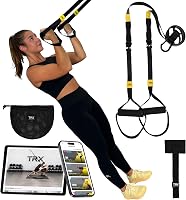
TRX GO includes a suspension strap, indoor and outdoor anchors, and a mesh carry bag. It does not provide adjustable cable arms, so consider it for bodyweight training rather than as a replacement for a cable station.
It offers multiple squat-angle settings and three built-in resistance bands. Its movement pattern and resistance system differ from a cable machine, so use it as complementary equipment if those exercises suit your routine.
How do you choose a cable machine with adjustable arms?
Choose a cable machine with arms that reach the angles your routine needs, lock securely and allow each movement to finish without running out of cable or space. Pick the model after checking its adjustment method, exercise range and room fit together.
If you mainly want different cable heights, compare the pulley positions and adjustment steps first. If your routine includes wide arcs or changing pull angles, check whether the arms pivot and whether your room can accommodate their movement.
Use the machine’s instructions to set and secure the arms, and begin with a controlled, light movement to confirm your setup. For more training ideas, start with What Is a Cable Machine Good For?.
Frequently asked questions
What should adjustable arms on a cable machine do?
They should let you set the cable origin at useful heights and angles, then hold that position during the exercise. Check how many positions are available, how the arms lock, and whether the setup gives enough clearance for the movements you plan to do.
Do cable machine arms need to swivel?
Swiveling arms can help aim the cable toward your path of motion, especially for presses, flyes and rotational movements. They are useful only if the arms have enough adjustment range and lock securely, so inspect the adjustment method and test the setup without load before training.
How much room does a cable machine with arms need?
Allow space for the machine itself, the cable handles, your full range of motion and a safe step back. Measure the footprint and the exercise area in front, beside and behind the machine, then check the assembly and clearance requirements for the model.
Can one cable machine replace free weights?
A cable machine can support many strength exercises, but it may not match every movement or training preference. Compare its exercise range, resistance options and space needs with the rest of your routine before treating it as your only strength equipment.