Can Apartment Buildings Restrict Home Gym Equipment?
On this page (7 sections)
Yes, apartment buildings can restrict certain home gym equipment. This is often due to concerns about weight limits, noise, and potential damage to the building’s structure. Your lease agreement is the first place to check for these rules.
Before buying that massive power rack or those super-heavy dumbbells, it’s wise to understand what’s allowed. Apartment complexes often have specific guidelines to protect their property and other residents. These rules can cover everything from the type of equipment to where you can use it.
- Your lease agreement likely details equipment restrictions.
- Buildings worry about floor weight limits and noise.
- Heavy equipment can pose structural risks.
- Always check with management before buying gym gear.
Let’s dive into exactly what you need to know about apartment building rules for home gyms.
Understanding Apartment Gym Equipment Restrictions
You’re probably wondering if your apartment building has rules about home gym gear. The short answer is yes, they absolutely can restrict what you bring in. This isn’t just about being difficult; it’s usually tied to practical concerns about safety and building maintenance.
Why Do Buildings Have These Rules?
Apartment managers and owners have a responsibility to keep their buildings safe and in good condition. Think of it like owning a car – you have to follow certain rules for it to run smoothly and safely. For apartment buildings, these rules help prevent damage and ensure peace for all residents.
Weight Concerns and Floor Loads
One of the biggest worries is the weight of equipment. Floors in apartment buildings are designed to hold a certain amount of weight. Adding very heavy items like large weight machines, multiple large dumbbells, or even a packed bookshelf can exceed these limits. We found that many buildings have specific rules about distributing weight evenly (Apartment Health and Safety Guidelines).
Imagine stacking too many heavy boxes in one spot. Eventually, something might give way. Apartment floors are similar. Exceeding the weight limit could potentially cause damage to the subflooring or even the structure below. This is why you often see limits on total weight or specific types of heavy equipment.
Noise and Vibrations
Another common issue is noise and vibrations. Dropping weights, using treadmills with loud motors, or the general thudding sounds of exercise can travel through floors and walls. This can be a major disturbance for neighbors, especially those living below you or next door.
Many apartment buildings have quiet hours, and excessive noise from a home gym can easily violate these. We found that noise complaints are a frequent reason for residents facing issues with their home gym setups (National Apartment Association Research). It’s all about maintaining a peaceful living environment for everyone.
Potential for Damage
Beyond weight and noise, there’s the risk of physical damage. Heavy equipment can scratch or dent floors if not placed carefully or moved properly. Water from sweat or spills could damage flooring or carpets if not cleaned up quickly. Some equipment might also require drilling into walls or floors, which is almost always prohibited without explicit permission.
Think about moving a large, heavy treadmill. It’s easy to scuff up walls or doorways. Building management wants to avoid these types of repairs. They also don’t want to deal with issues arising from damaged plumbing or electrical systems if equipment is improperly installed.
What Your Lease Agreement Says Matters Most
Your lease is your contract with the apartment building. It’s the most important document when it comes to understanding your rights and responsibilities. Before you even think about buying gym equipment, you should carefully read your lease.
Where to Look in Your Lease
Most leases have a section dedicated to rules and regulations, sometimes called “House Rules” or “Community Guidelines.” Look for specific mentions of:
- Restrictions on types of furniture or appliances.
- Rules about noise levels and quiet hours.
- Prohibitions on alterations to the unit (like drilling holes).
- Guidelines for common areas, which might indirectly apply to your unit.
If you can’t find anything specific about gym equipment, don’t assume it’s allowed. It’s always better to ask. Many leases also have a general clause about not causing damage or disturbances, which can be used to enforce restrictions.
What if the Lease is Unclear?
If your lease is vague on the topic, your next step is to contact property management. Send them an email or request a meeting. This creates a written record of your inquiry and their response. Asking directly is much safer than assuming you’re in the clear.
You might ask them: “Are there any restrictions on personal exercise equipment brought into the apartment?” or “Are there weight limits for items placed on the floor?” Getting a clear “yes” or “no,” or understanding specific limitations, will save you a lot of trouble later.
Common Types of Restricted Home Gym Equipment
Certain types of home gym equipment are more likely to run into restrictions than others. Understanding these categories can help you make smart choices from the start.
Heavy Weightlifting Gear
This is probably the most common area for restrictions. Items like:
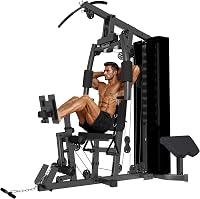
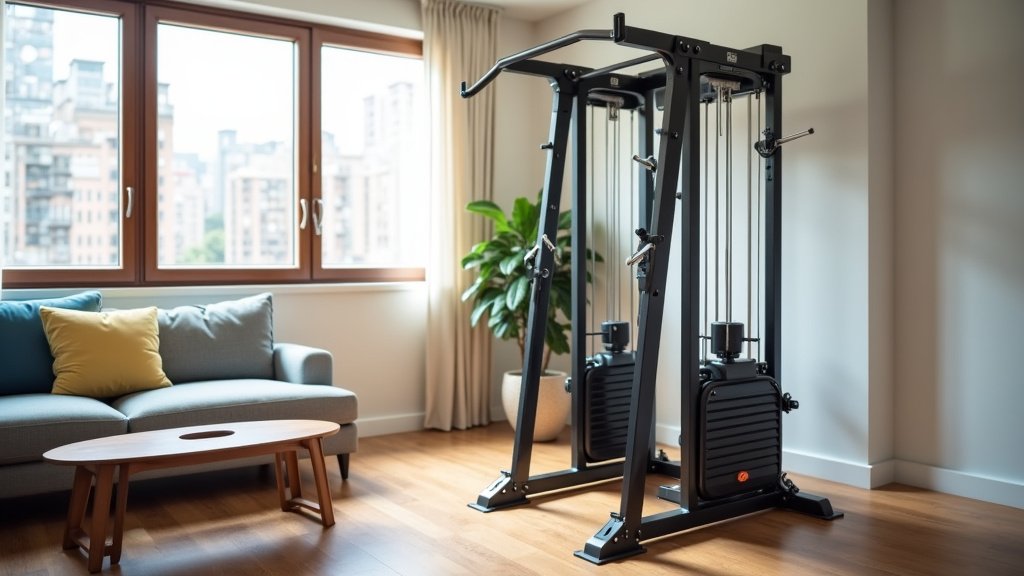
- Power racks and squat stands: These are heavy and can put significant concentrated weight on the floor.
- Olympic barbell sets and heavy dumbbells: A full set of iron plates or heavy dumbbells (over 50-75 lbs each) can add up quickly in weight.
- Weight benches: While not as heavy as racks, some can be bulky and add to the overall floor load.
The concern here is twofold: the sheer weight and the potential for dropped weights, which causes noise and impact damage. Many experts recommend using lighter, adjustable weights or resistance bands if heavy lifting is a concern (American Council on Exercise).
Cardio Machines with High Impact or Weight
While treadmills and ellipticals are popular, they can also cause issues.
- Treadmills: Especially older or very heavy models, can cause vibrations and noise. Their weight can also be a factor.
- Rowing machines: Some mechanical rowers can be quite noisy and create vibrations.
- Ellipticals: Similar to treadmills, they can generate noise and vibrations.
Consider the impact and noise your cardio machine might create. Newer models often have better shock absorption, but it’s still something to discuss with management. Some buildings might allow them but require you to use a thick exercise mat underneath.
Equipment Requiring Installation or Alterations
Anything that involves modifying the apartment is almost always a no-go.
- Pull-up bars that mount in doorframes: These can damage the paint or wood around doorways.
- Wall-mounted storage racks for weights: Drilling into walls is usually forbidden.
- Any equipment needing to be bolted to the floor or ceiling.
These types of setups are seen as permanent alterations. Even if you plan to fill the holes when you move, the initial damage and potential structural changes are usually not permitted. Always assume you cannot drill, nail, or otherwise attach anything permanently.
Smart Alternatives for Your Apartment Gym
Don’t despair if you can’t have a full-scale gym! There are plenty of effective and apartment-friendly ways to get a great workout. The key is choosing gear that is lighter, quieter, and less likely to cause damage.
Lightweight and Versatile Gear
These options are often a perfect fit for apartment living.
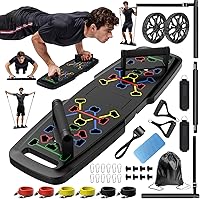
- Resistance bands: These are incredibly versatile and take up almost no space. They offer great resistance for strength training.
- Adjustable dumbbells: Instead of a full rack of heavy dumbbells, a single pair of adjustable ones can replace many. They are much more space-efficient and often lighter overall.
- Kettlebells: While they can be heavy, they are generally more compact than dumbbells and offer a different type of workout. Start with lighter weights.
We found that many fitness professionals recommend resistance bands and adjustable dumbbells for home workouts due to their flexibility and low impact on living spaces (Journal of Strength and Conditioning Research). They allow for a full-body workout without the heavy stress on your floors.
Floor Protection and Noise Reduction
If you do get approval for certain equipment, consider investing in accessories to protect your apartment.
- Thick exercise mats: Use these under any equipment that might cause vibrations or noise, like treadmills or weight benches.
- Rubber flooring tiles: These can create a dedicated workout area that absorbs impact and muffles sound.
- Equipment mats for under weights: Place these wherever you might set down dumbbells or plates.
These mats act like a buffer. They absorb some of the shock and sound before it travels through the floor. It’s a simple step that can make a big difference in keeping the peace with your neighbors and management. Consider investing in protective accessories to mitigate damage and noise.
Utilizing Apartment Amenities
Don’t forget about the gym facilities that may already be available in your building! Many apartments offer gyms with cardio machines, weight rooms, and sometimes even space for classes.
Using the building’s gym is the easiest way to avoid any equipment restrictions or damage concerns. It’s designed to handle the stress of workouts and is maintained by the building. Plus, it’s a great way to meet other residents!
Your Apartment Home Gym Checklist
Before you bring any gym equipment into your apartment, run through this quick checklist:
- Read your lease agreement thoroughly.
- Contact property management with any specific questions.
- Consider the weight and size of the equipment.
- Think about potential noise and vibration issues.
- Prioritize gear that is less likely to cause damage.
- Always get written permission for anything questionable.
By taking these steps, you can set up a functional home gym without running into trouble with your apartment building. A little research goes a long way toward ensuring a comfortable and compliant living situation.
Conclusion
Setting up a home gym in your apartment is totally doable with a little planning. You’ve learned that buildings can restrict equipment based on weight, noise, and potential damage. Always start by reading your lease agreement thoroughly. If anything is unclear, reach out to property management for written confirmation. By choosing apartment-friendly gear and using protective accessories, you can build a great workout space without issues. Prioritize clear communication and smart equipment choices for peace of mind and a successful home gym.
Frequently Asked Questions
Can I put heavy weights on my apartment floor?
It depends on your building’s rules and your floor’s weight capacity. Extremely heavy items like large weight racks can exceed limits. Your lease or management should clarify any restrictions on concentrated weight loads.
What if my lease doesn’t mention gym equipment?
If your lease is silent on the matter, it’s best to contact property management directly. Get any permission or clarification in writing to avoid future disputes. Don’t assume silence means permission.
Are treadmills usually allowed in apartments?
Treadmills can be allowed, but they often come with conditions. Buildings worry about their weight, vibrations, and noise. Using a thick exercise mat and checking your lease or management for specific rules is highly recommended.
Can I drill holes to mount gym equipment?
Generally, no. Most apartment leases prohibit drilling or making any alterations to walls or floors. Equipment requiring installation, like wall-mounted racks or certain pull-up bars, is usually not permitted.
What’s the best way to reduce noise from my home gym?
Using thick exercise mats, rubber flooring tiles, and equipment mats under weights can significantly reduce noise and vibrations. Avoiding dropping weights and choosing quieter equipment also helps maintain good neighborly relations.