Do You Need Wrist Wraps for Heavy Cable Pulls?
On this page (5 sections)
For heavy cable pulls, you might not always need wrist wraps. Many lifters find they help prevent wrist strain and improve grip, especially when lifting very heavy. So, while not mandatory for every single pull, they can be a smart addition for certain exercises.
When you’re pulling significant weight, your wrists can take a beating. Wrist wraps can offer a stable platform, keeping your wrists in a neutral position. This can help you focus more on the muscles you’re targeting, like your back and biceps, rather than worrying about potential discomfort.
- Wrist wraps can prevent wrist strain during heavy cable pulls.
- They can also improve your grip on the bar or handle.
- Many people find them helpful for exercises like lat pulldowns or face pulls.
- However, they are not always necessary for lighter weights or shorter sets.
Let’s walk through when you should consider using them and what to look for.
You’re pushing serious weight on those cable machines, feeling the burn in your back and biceps. That’s awesome! But what about your wrists? Do they need a little extra support during those intense cable pulls? It’s a common question, and the answer isn’t a simple yes or no. Let’s break down when wrist wraps might be your new best friend for heavy cable work. Let’s break down when wrist wraps might be your new best friend for heavy cable work on a cable machine.
Understanding Wrist Support for Heavy Lifts
When you’re lifting heavy, your wrists play a supporting role. They help you maintain a stable grip on the handle or bar. If your wrists feel weak or unstable, it can throw off your entire lift. This is where wrist wraps can step in. They offer a stabilizing effect. This can be a real game-changer for certain exercises.
Why Your Wrists Matter in Cable Pulls
Think of your wrists like the hinges on a door. If those hinges are rusty or loose, the door won’t open smoothly. Similarly, if your wrists aren’t supported during a heavy pull, you might experience discomfort or instability. This can lead to a loss of focus. You might end up compensating with other muscles. That’s not ideal for targeting your intended muscle groups.
The Role of Wrist Wraps
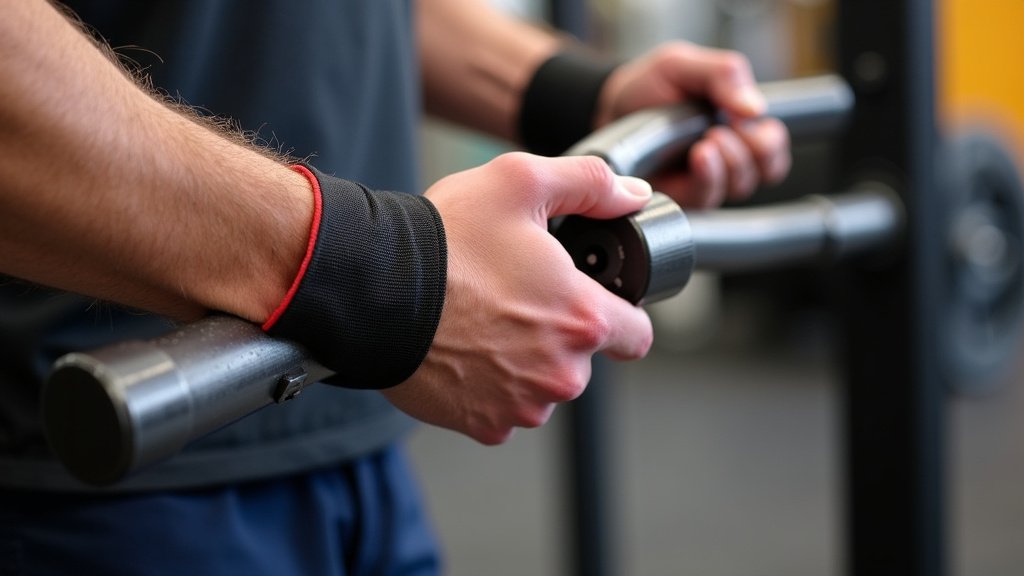
Wrist wraps are essentially sturdy straps made of elastic or cotton. You wrap them snugly around your wrists. They provide external support. This helps keep your wrists in a neutral, locked-out position. Many lifters find this prevents them from bending too far backward or forward under load. This can greatly reduce the strain on your wrist joints and tendons.
When to Consider Wraps for Cable Exercises
So, when should you actually reach for those wraps during your cable routine? It often comes down to the weight you’re lifting and the specific exercise. If you find yourself struggling to maintain wrist stability, or if you experience discomfort, that’s a strong signal. Wraps can help you push through those challenging sets.
Exercises Where Wraps Often Shine
Certain cable movements put more direct stress on the wrists than others. For instance, exercises where you’re pulling a heavy load towards your body can be tough. These include lat pulldowns, seated cable rows, and even some face pull variations with heavier weight. When the weight feels like it’s trying to pull your grip apart, wraps can help.
Lat Pulldowns and Rows
During lat pulldowns, your wrists are under extension as you grip the bar. For heavy rows, your wrists might be in a flexed or extended position depending on your grip. If you feel a sharp pinch or a dull ache in your wrists, wraps can offer much-needed support. This allows you to focus on squeezing your back muscles instead.
Face Pulls and Other Upper Back Movements
While face pulls are often done with lighter weight, if you’re aiming for higher reps or using a heavier variation, wrist support can still be beneficial. Some people just have naturally weaker wrists. Others might be recovering from an old injury. In these cases, wraps can provide confidence and stability.
The Weight Threshold
There’s no magic number, but many lifters start considering wrist wraps when they’re lifting around 70-80% of their one-rep max for certain exercises. If you’re consistently lifting weights that challenge your grip and stability, it’s probably time to think about wraps. For lighter warm-up sets or exercises where you’re not going heavy, they are usually unnecessary. For a safe start, see our guide to warming up before heavy pulls.
Grip Strength vs. Wrist Support
It’s important to distinguish between grip strength issues and wrist stability issues. If your forearms are burning out before your back or biceps, that’s a grip problem. You might need to work on your grip strength separately. However, if your wrists feel like they’re about to buckle or bend in an unnatural way, even if your grip is strong, that’s where wraps help. They provide a rigid frame for your wrist joint.
How to Choose and Use Wrist Wraps Effectively
If you’ve decided wrist wraps might be for you, how do you pick the right ones? And how should you wear them? The right wrap, worn correctly, can make a world of difference. The wrong one might feel bulky or ineffective.
What to Look for in Wrist Wraps
Consider the material and length. Wraps made from stiff cotton or a blend offer more rigidity. Elastic wraps are more flexible and might be better for mobility. Longer wraps generally provide more support. Look for a thumb loop to help with application. Many wraps come in different widths, too. Wider wraps tend to offer more stability.
Proper Application Technique
The goal is to create a stable “splint” for your wrist. Start by placing the thumb loop on your thumb. Wrap the material firmly around your wrist. You want it snug, but not so tight that it cuts off circulation. Most experts recommend wrapping from the base of your palm towards your elbow. Don’t wrap over your hand. Ensure the wrap is tightest where your wrist bends the most.
Avoiding Common Mistakes
One common mistake is wrapping them too loosely. This defeats the purpose of providing support. Another is wrapping them too high up on the forearm, which doesn’t stabilize the wrist joint itself. Experiment with the tightness until you find a comfortable yet firm hold. It should feel secure when you flex or extend your wrist against resistance.
When NOT to Use Wrist Wraps
It’s also wise to know when to skip the wraps. Over-reliance on wrist wraps can hinder the development of your natural wrist strength and stability. If you use them for every single set and every single exercise, you might become dependent. Think of them as a tool for specific, heavy lifting. Use them when you truly need them, not as a crutch.
Prioritizing Natural Strength Development
Your body is incredibly adaptable. If you constantly support your wrists, they might not get the stimulus they need to strengthen over time. It’s like using a brace for a mild ankle sprain when you could just do some balance exercises. For lighter weights or exercises where you feel no wrist strain, let your own strength shine. This builds resilience for the long haul.
A Quick Checklist for Wrist Wrap Use
Should you use wrist wraps for your heavy cable pulls? Ask yourself these questions:
- Do your wrists ache or feel unstable during heavy cable movements?
- Are you lifting weights that significantly challenge your grip and wrist stability?
- Do you feel your wrists bending unnaturally under load?
- Are you targeting exercises like heavy lat pulldowns or rows?
- Do you want to focus more on muscle activation and less on wrist discomfort?
- Do you understand that they are a tool, not a requirement for every lift?
If you answered “yes” to several of these, wrist wraps could be a very beneficial addition to your gym bag. They can help protect your wrists and improve your overall lifting performance when used correctly.
Conclusion
When you’re tackling heavy cable pulls, wrist wraps can offer a smart advantage. They’re not for every lift, but they can definitely prevent strain and improve your stability on challenging sets. Think of them as a tool for when your wrists feel that extra strain or wobble. Prioritize using them on exercises like heavy lat pulldowns and rows where your wrists are put to the test. If you’re unsure, use our checklist to decide. Ready to feel more secure during your next heavy pulling session? Consider adding a pair to your gym bag.
Frequently Asked Questions
Do I need wrist wraps if my grip is strong but my wrists still hurt?
Yes, you likely do. If your forearms feel fine but your wrists experience pain or instability, that indicates a need for direct wrist support. Wrist wraps provide a rigid structure to prevent unnatural bending under load, even with a strong grip.
Can using wrist wraps weaken my wrists over time?
There’s a risk of becoming dependent if you use them on every single set, even light ones. However, when used strategically for heavy lifts, they help protect your wrists, allowing you to train harder. Balance their use with exercises that build natural wrist strength.
Are there specific cable exercises where wraps are more beneficial?
Yes, exercises like heavy lat pulldowns and seated cable rows often benefit most. These movements can place significant extension or flexion stress on your wrists. Face pulls, if performed with very heavy weight, can also be a candidate.
How tight should I wrap my wrists for cable pulls?
You want them snug, but not so tight they cut off circulation. The wrap should feel firm and provide a stable “splint” for your wrist. It should prevent excessive bending without causing discomfort.
What’s the difference between needing grip strength training and wrist wraps?
Grip strength issues mean your forearms fatigue first. Wrist wraps address wrist joint stability; if your wrists feel like they might buckle or bend unnaturally, that’s when wraps help, regardless of your grip strength.