Does a Home Gym Add Resale Value to a House?
On this page (3 sections)
Does a home gym add resale value to a house? Generally, the answer is yes, it can add value, but with some important caveats. A well-designed and integrated home gym space can be a major selling point for potential buyers. However, a poorly executed or overly personalized gym might not fetch the return you’re hoping for.
When buyers see a dedicated, attractive fitness area, they often imagine themselves using it. This can make your home feel more functional and desirable. We found that buyers appreciate a space that looks like it was built for purpose, not just an afterthought. Think about how it integrates with the rest of your home’s style; a cohesive look is key.
- Home gyms can add resale value if done right.
- Buyers are attracted to dedicated, well-designed fitness spaces.
- Integration and aesthetics matter to potential buyers.
- A personalized or poorly built gym might not boost value.
- Consider your target market when creating a home gym.
Let’s dive into what makes a home gym a selling advantage and what might hold it back.
Boosting Home Value: The Home Gym Factor
Could a home gym actually make your house more appealing to buyers? The short answer is a resounding yes, it can.
We found that buyers often see a dedicated fitness space as a serious perk. It’s not just about the equipment; it’s about the lifestyle it represents. A well-designed gym signals a home that supports health and wellness.
What Buyers Look For in a Home Gym Space
What truly impresses potential buyers isn’t just a treadmill in the corner. It’s about how the space feels and functions. Buyers appreciate a room that looks like it was purpose-built for fitness.
Think about flow and aesthetics. Is the gym integrated into the home’s overall design? Or does it feel like an afterthought? A cohesive look is much more appealing. We found that homes with thoughtfully designed spaces generally perform better on the market.
Integrated Design is Key
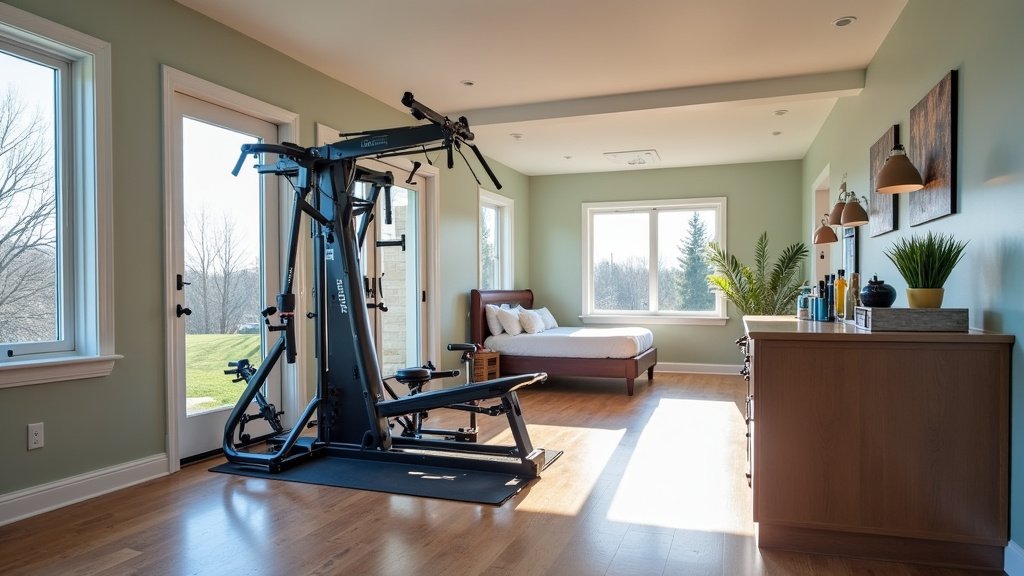
When a home gym feels like a natural extension of your living space, it makes a bigger impact. This means considering things like flooring, lighting, and ventilation. A gym that has proper lighting and perhaps even some nice natural light can feel far more inviting.
If your gym is in a basement, consider good task lighting. In a spare bedroom, ensure it doesn’t feel cramped. Buyers want to see a space that’s both functional and aesthetically pleasing. They should be able to easily imagine their own workouts happening there.
The Appeal of Purpose-Built Spaces
Many experts say that buyers are willing to pay more for homes that offer convenience. A home gym offers ultimate convenience. No more commuting to a fitness center. Your workouts are just a few steps away. This time-saving aspect is a major selling point.
We found that buyers respond well to spaces that look professional. This doesn’t mean you need commercial-grade equipment. It means the space looks clean, organized, and ready for use. A few well-chosen pieces can be more impactful than a crowded room full of random machines.
Factors That Can Detract from Home Gym Value
While a home gym can be a big plus, it’s not always a guaranteed value boost. Certain aspects can actually make it less appealing to potential buyers. Sometimes, a gym can be too personalized.
If your gym is filled with very specific equipment that only you use, it might alienate buyers. Imagine a dedicated powerlifting setup or a highly specialized yoga studio. If a buyer doesn’t share that exact interest, it might feel like a wasted space. This is a common pitfall many homeowners overlook.
Over-Personalization and Niche Equipment
We observed that buyers are often looking for versatility. A room that can easily be repurposed is often more desirable. If your gym is so specialized that it can’t be easily converted into a home office or hobby room, it might limit its appeal. Think about a buyer who doesn’t lift weights; they might see your power rack as an obstacle.
The goal is to appeal to the broadest possible range of buyers. When you’re setting up your gym, consider if the equipment is generally appealing. Some popular items include treadmills, ellipticals, free weights, and versatile resistance machines. These tend to have wider appeal than highly niche items.
Poorly Executed or Neglected Spaces
A home gym that looks neglected can be a real turn-off. Stale air, dusty equipment, or chipped paint can send a negative message. It suggests a lack of care for the home overall. Buyers want to see a space that’s been well-maintained.
We found that buyers are sensitive to odors and visible signs of disrepair. Even if the equipment itself is expensive, if the room feels dingy, it won’t create a positive impression. Ensuring good ventilation and keeping the space clean is paramount. A space that feels clean and airy is always a plus.
Understanding Your Target Market’s Needs
Who is likely to buy your home? Understanding your local market can help you tailor your home gym. Are you in an area with many young families? They might prioritize playrooms over workout rooms. Are you near a university? Students and faculty might appreciate a good study space.
We found that in areas with a strong focus on health and fitness, a home gym can be a major selling point. This is especially true if the surrounding fitness facilities are expensive or inconvenient. Buyers in these areas are actively seeking out homes that support their active lifestyles.
Maximizing Your Home Gym’s Resale Impact
So, how can you ensure your home gym adds the most value? It comes down to smart planning and presentation. Think of it as staging your home gym for sale.
Neutral Aesthetics and Versatility
Keep the design and equipment choices as neutral as possible. This makes it easier for buyers to envision their own fitness routines. Avoid bright, bold paint colors on the walls. Opt for calming, neutral tones instead. This makes the space feel larger and more adaptable.
We recommend choosing equipment that offers a range of exercises. A good adjustable bench, a set of dumbbells, and resistance bands can be very versatile. These items take up less space than bulky machines. They also appeal to a wider range of fitness levels and goals.
Professional Presentation Matters
Make sure the space is impeccably clean and well-lit. Ensure any workout equipment is in good working order. If there’s a mirror, make sure it’s spotless. Consider adding a touch of decor, like a plant or a clean towel. This shows that the space is cared for.
Think about storage solutions too. When buyers see a place for everything, it looks more organized. This can include wall-mounted racks for weights or resistance bands. We found that buyers often have a keen eye for organization. A tidy gym looks like a space that’s easy to maintain.
Is a Home Gym a Worthwhile Investment for Resale?
The decision to create or enhance a home gym for resale value depends on several factors. It’s not a one-size-fits-all answer. However, when done correctly, it can certainly contribute positively to your home’s appeal.
Consider the costs versus potential return. If you’re investing heavily in extremely specialized equipment, it might not pay off. But a well-designed, versatile, and cleanly presented fitness space can be a compelling feature for many buyers. It signals a home that supports a healthy and convenient lifestyle.
Checklist for a Home Gym That Adds Value
- Prioritize versatility: Choose equipment that supports various workouts.
- Maintain a neutral look: Opt for calming paint colors and decor.
- Ensure excellent lighting: Make the space feel bright and inviting.
- Keep it spotless: Cleanliness is key to buyer perception.
- Organize equipment: Use storage solutions to keep things tidy.
- Ventilate well: Ensure fresh air circulation in the space.
Conclusion
So, can a home gym boost your home’s resale value? Absolutely, but it’s all about how you do it. Buyers are drawn to well-designed, versatile spaces that feel like a natural part of the home. Think clean lines, neutral colors, and adaptable equipment that appeals to a wide range of fitness interests. Avoid over-personalization or neglect, as these can actually deter potential buyers. To maximize your gym’s appeal, focus on presentation, cleanliness, and a welcoming atmosphere. Your next step is to assess your current gym space through a buyer’s eyes and make any necessary adjustments.
Frequently Asked Questions
Will buyers see a home gym as a negative if they aren’t into fitness?
Generally, a well-presented and versatile home gym is seen as a bonus, not a drawback. Buyers often appreciate the potential for the space to be easily converted into something else, like an office or hobby room, if they don’t use it for workouts. A clean, organized, and neutral space is key here.
How much more can a home gym add to a home’s value?
It’s difficult to put an exact dollar amount on it, as it depends heavily on your local market and how well the gym is integrated. A thoughtfully designed gym can make your home more competitive and potentially lead to a quicker sale or a slightly higher offer, rather than a specific percentage increase.
Should I leave my expensive fitness equipment when selling?
This is a personal decision. If the equipment is high-quality, versatile, and fits the aesthetic of the gym space, it can be a selling point. However, if it’s very niche or you’d rather take it with you, removing it and ensuring the space is clean and presentable is perfectly fine. Buyers may be more interested in the purpose-built room itself.
Is a basement gym as appealing as one on the main floor?
Basement gyms can be very appealing, especially if they are well-lit, properly ventilated, and finished nicely. Buyers appreciate dedicated spaces regardless of location. Ensure the area feels inviting, not damp or unfinished, and good lighting is essential to combat any natural light limitations.
What’s more important: specialized equipment or a clean, versatile space?
For resale value, a clean, well-maintained, and versatile space is almost always more important than having highly specialized equipment. Buyers are looking for potential and a space they can envision themselves using, whether for workouts or other purposes. Neutrality and adaptability will appeal to more people.