The best functional trainer pec deck alternatives include cable flyes, resistance band chest flyes, dumbbell flyes, and push-up variations that target your chest muscles effectively.
You can build a strong chest without a pec deck machine by using these proven functional trainer alternatives that work the same muscle groups with similar movement patterns.
Why You Need Pec Deck Alternatives
Your home gym space is limited. You want chest gains without buying every machine on the market.
Pec deck machines take up serious floor space and cost thousands of dollars. Plus, they only do one movement pattern. That’s not very smart for a home gym setup.
What Makes a Good Pec Deck Alternative
A solid replacement needs three things. First, it targets your chest muscles with the same squeezing motion. Second, it lets you control the resistance throughout the movement. Third, it fits your space and budget.
I found that the best alternatives mimic the pec deck’s arc-like movement. This keeps tension on your chest muscles from start to finish.
Cable Machine Alternatives
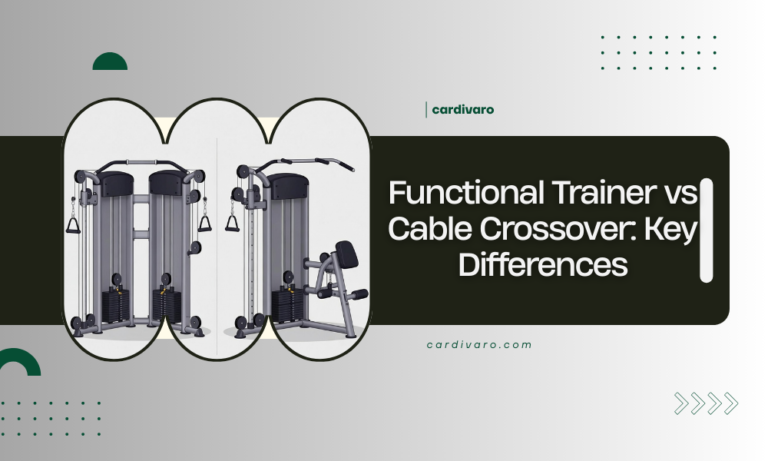
Your functional trainer’s cable system is perfect for pec deck movements. The cables provide smooth resistance that feels natural.
Standing Cable Flyes
Set both cables to chest height. Grab the handles and step forward slightly. Keep a slight bend in your elbows.
Pull your hands together in a wide arc motion. Squeeze your chest at the peak. Control the weight back to the starting position.
Pro Tips for Cable Flyes
- Keep your shoulders back and down
- Don’t let your hands go behind your shoulders
- Focus on squeezing your chest, not your arms
- Use a weight that lets you feel the stretch
Incline Cable Flyes
Set the cables to the lowest position. Use an adjustable bench at 30-45 degrees.
This variation hits your upper chest harder. Many people struggle to build their upper chest, so this movement fills that gap.
Decline Cable Flyes
Set cables to the highest position. You can do this standing or on a decline bench.
The decline angle targets your lower chest. This creates that full, rounded chest look you’re after.
Resistance Band Options
Bands are cheap, portable, and surprisingly effective. I came across research showing bands can build muscle just as well as weights when used correctly.
Resistance Band Chest Flyes
Anchor the band behind you at chest height. Hold the handles and step forward to create tension.
The movement is identical to cable flyes. The difference is that bands provide variable resistance – they get harder as you stretch them.
Band Selection Tips
- Choose bands with comfortable handles
- Get multiple resistance levels
- Make sure the anchor point is secure
- Replace worn bands before they snap
Band Pull-Aparts for Rear Delts
Hold the band with both hands in front of your chest. Pull it apart by squeezing your shoulder blades together.
This works your rear delts and helps balance all that chest work. Your shoulders will thank you later.
Dumbbell Alternatives
Dumbbells give you the freedom to move in any direction. They also force each side of your body to work independently.
Dumbbell Flyes on Bench
Lie on a flat bench with a dumbbell in each hand. Start with your arms extended above your chest.
Lower the weights in a wide arc until you feel a stretch in your chest. Bring them back together using the same path.
Common Mistakes to Avoid
- Using too much weight and losing control
- Dropping your arms too low and risking injury
- Pressing instead of flying the weights
- Holding your breath during the movement
Single-Arm Dumbbell Flyes
Work one side at a time for better muscle activation. Use your free hand to spot yourself if needed.
This unilateral approach helps fix muscle imbalances. Most people have one side stronger than the other.
Push-Up Variations
Don’t sleep on push-ups. They’re free, require no equipment, and you can do them anywhere.
Wide-Grip Push-Ups
Place your hands wider than shoulder-width apart. This shifts more work to your chest muscles.
The movement pattern is similar to a pec deck, just inverted. You’re pushing your body away instead of pulling handles together.
Dumbbell Push-Up Flyes
Get in a push-up position with dumbbells in your hands. As you push up, slide one dumbbell out to the side.
This combines the pushing motion with a flying motion. Your chest gets hit from multiple angles.
Progressive Push-Up Options
- Incline push-ups for beginners
- Standard push-ups for intermediate
- Decline push-ups for advanced
- Single-arm push-ups for experts
Equipment Comparison Table
| Equipment | Cost | Space Needed | Versatility | Effectiveness |
|---|---|---|---|---|
| Cable Machine | High | Large | Excellent | Excellent |
| Resistance Bands | Low | Minimal | Good | Good |
| Dumbbells | Medium | Medium | Excellent | Excellent |
| Push-Ups | Free | None | Good | Good |
Programming Your Chest Workouts
How often should you train chest? Most experts recommend 2-3 times per week with at least one day of rest between sessions.
Sets and Reps Guidelines
For muscle growth, aim for 3-4 sets of 8-12 reps. For strength, try 3-5 sets of 3-6 reps. For endurance, go with 2-3 sets of 15-20 reps.
Weekly Chest Volume
Research from exercise science suggests 10-20 sets per muscle group per week for optimal growth. Start on the lower end and add volume as you adapt.
Safety Tips and Form Cues
Your shoulders are vulnerable during chest exercises. Always warm up properly before lifting heavy weights.
Shoulder-Friendly Setup
Keep your shoulder blades pulled back and down. This creates a stable base for your chest to work from.
Never let your shoulders roll forward during the movement. This puts unnecessary stress on your shoulder joint.
Conclusion
You don’t need a pec deck machine to build an impressive chest. Cable flyes, resistance band exercises, dumbbell movements, and push-up variations all target the same muscles effectively.
Pick the options that fit your space, budget, and goals. Mix different exercises to keep your workouts interesting and your muscles growing. Your chest will respond well to consistent training with proper form, regardless of which equipment you choose.
Can I build a big chest without a pec deck machine?
Yes, you can build significant chest muscle using cable machines, dumbbells, resistance bands, and bodyweight exercises. The key is consistent training with progressive overload, not the specific equipment you use.
Which pec deck alternative works best for beginners?
Resistance band chest flyes are ideal for beginners because they provide variable resistance and are easier to control than free weights. You can also adjust the difficulty by changing your distance from the anchor point.
How many chest exercises should I do per workout?
Include 2-4 chest exercises per workout, focusing on different angles like flat, incline, and decline movements. This ensures complete chest development without overtraining.
Are cable flyes better than dumbbell flyes?
Cable flyes provide constant tension throughout the movement, while dumbbell flyes offer a greater stretch at the bottom. Both are effective, so you can use either based on your available equipment and preferences.
What’s the biggest mistake people make with chest flyes?
Using too much weight and turning the exercise into a pressing movement instead of a flying motion. Focus on feeling the stretch and squeeze in your chest muscles rather than moving heavy weight.