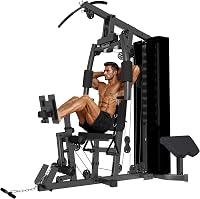
How Do You Move a Functional Trainer to a New House?
On this page (4 sections)
Yes, you absolutely can move a functional trainer to a new house, but it requires careful planning and the right approach. You’ll need to disassemble the machine into manageable parts and ensure you have adequate help and proper moving equipment to transport it safely.
Functional trainers are significant pieces of gym equipment. They often consist of multiple heavy components, including weight stacks and frame pieces. Protecting your floors and the trainer itself during the move is just as important as getting it to your new place in one piece.
- Disassemble the functional trainer carefully.
- Gather the right tools and moving supplies.
- Get help from strong friends or professional movers.
- Protect all parts during transport.
- Reassemble at your new home.
Let’s walk through exactly how to get your functional trainer from your old home to your new one without any major headaches.
Moving Your Functional Trainer: A Step-by-Step Guide
You’ve decided to bring your trusty functional trainer to your new home. That’s a smart move! These machines are fantastic for a full-body workout. But let’s be honest, they can feel a bit like trying to move a small elephant. You’re probably wondering, “How do I actually do this without breaking my back or my equipment?” We’ve got you covered.
Preparing for the Move: What You Need to Know
Moving a functional trainer isn’t like packing up your old books. It requires more strategy. The good news is, with a little planning, it’s totally doable. You just need to approach it systematically. Think of it like solving a fitness puzzle. Each piece needs careful handling.
Assessing Your Functional Trainer
First, take a good look at your specific model. Functional trainers vary in size and weight. Some are sleeker, while others are more robust. Knowing what you’re dealing with helps immensely. Note the main components: the frame, the weight stacks, and any accessories.
Weight Stack Considerations
The weight stacks are usually the heaviest part. They are often removable. This is a huge help. If they are not designed to be removed, it adds a significant challenge. We found that most manufacturers design them to be separated. This allows for easier transport of this dense component.
Frame and Pulley System
The main frame is bulky. It might be one solid piece or several large sections. The pulley system is delicate. You want to protect the cables and pulleys from damage. Loose cables can become tangled or frayed. This is something you’ll want to secure.
Gathering Your Moving Toolkit
Before you start taking anything apart, get your tools ready. Having everything within reach saves time and frustration. You wouldn’t go into a heavy lifting session without your gym gear, right? The same applies here. We recommend a standard set of tools.
- Socket wrench set: For bolts and screws.
- Screwdriver set: Phillips and flathead.
- Allen wrenches (hex keys): Often included with the equipment.
- Pliers: For gripping small parts.
- Measuring tape: To ensure parts fit through doorways.
- Packing materials: Bubble wrap, moving blankets, sturdy boxes or bins.
- Dolly or hand truck: Essential for heavy lifting.
- Straps or rope: To secure pieces to dollies or vehicles.
Disassembly: Taking It Apart Smartly
This is where the real work begins. Taking apart your functional trainer makes it much lighter and more manageable. See this guide on moving a functional trainer for additional steps. It also protects it during the move. Working slowly and methodically is key. You don’t want to strip a bolt or lose a critical piece. Many experts suggest taking photos as you go.
Step-by-Step Disassembly Process
Start with the accessories. Remove any handles, bars, or straps. These are usually attached with carabiners or clips. Keep them together in a labeled bag. Next, focus on the weight stacks. If they are removable, carefully lift them off their guide rods. Be prepared for their considerable weight. You will definitely need help here. We found that sometimes a little wiggle is needed to free them from their base.
Handling the Frame Sections
Look for bolts that connect different parts of the frame. Unscrew these carefully. As you remove bolts, place them in a resealable plastic bag. Tape the bag securely to the corresponding frame piece. This keeps everything organized and prevents lost parts. This strategy is often recommended by moving professionals (National Association of Movers).
Protecting Cables and Pulleys
The cables need special attention. You don’t want them to snag or fray. Gently wind them up and secure them with zip ties or Velcro straps. This keeps them tidy and prevents damage. For pulleys, ensure they are not stressed or bent. They should move freely but not be loose.
Securing and Transporting the Parts
Once disassembled, each piece needs to be protected. This is vital for preventing scratches and dents. Think of each part like a precious artifact you’re transporting. Good packing makes a big difference. We found that a little extra padding goes a long way.
Packing for Protection
Wrap smaller parts like bolts and accessories in bubble wrap. Place them in sturdy boxes or bins. Label each box clearly with its contents and the part of the trainer it belongs to. For larger frame pieces, use moving blankets. Secure the blankets with tape or stretch wrap. This shields them from bumps and scrapes. You don’t want to arrive at your new home with a mangled machine.
Using the Right Equipment
You’ll need more than just your muscles. A heavy-duty dolly or a hand truck is essential for moving larger pieces. Furniture sliders can also be a lifesaver for gliding heavier items across floors. If you have a truck, ensure you have enough space. You might need moving straps to keep everything from shifting during transit.
Getting Help: The Buddy System (or Pros!)
This is not a solo mission. Functional trainers are heavy, even when disassembled. You’ll need at least one, possibly two, strong helpers. Ask friends or family if they can lend a hand. If you’re not comfortable with the lifting, hiring professional movers is a wise investment. They have the experience and equipment to handle heavy gym gear safely. We found that many moving companies offer specialized services for gym equipment.
Reassembly at Your New Home
You’ve made it to your new place! Now it’s time to put your functional trainer back together. This is essentially the reverse of disassembly. Take your time and refer to those photos you took. If you lost the manual, a quick online search for your model might help.
A Checklist for Reassembly
Here’s a quick checklist to guide you:
- Clear ample space for the trainer.
- Start with the base frame.
- Attach main uprights securely.
- Reinstall weight stacks.
- Reconnect and secure cables.
- Attach accessories and handles.
Testing and Adjustments
After assembly, test every part of the machine. Move the weight stacks up and down. Check that the pulleys are smooth. Ensure all bolts are tight. Make small adjustments as needed. Your functional trainer should feel sturdy and ready for action. You’ve earned your next workout!
Conclusion
Moving your functional trainer to a new house is a manageable project with the right game plan. By carefully disassembling the machine, gathering your tools, protecting each part, and getting sufficient help, you can ensure its safe transport. Remember, patience and organization are your best allies here. Take photos, label everything, and don’t be afraid to ask for assistance or hire professionals for the heavy lifting. Your dedication will be rewarded with a fully functional machine ready for your workouts in your new home.
Frequently Asked Questions
How do I protect my functional trainer’s cables during the move?
You’ll want to gently wind the cables and secure them with zip ties or Velcro straps to prevent tangling and fraying. Ensure they aren’t stretched or stressed. This keeps them tidy and protected during transport.
What is the heaviest part of a functional trainer to move?
The weight stacks are almost always the heaviest components. Be prepared for their substantial weight and plan to use a dolly or hand truck. You will definitely need strong help to manage them safely.
Can I move a functional trainer without taking it apart?
It is strongly advised against moving a functional trainer without disassembling it. The machine is too heavy and bulky. Disassembly makes it lighter, more manageable, and significantly reduces the risk of damage to both the equipment and your home.
How much help do I realistically need to move a functional trainer?
For most functional trainers, even when disassembled, you’ll need at least one or two strong helpers. If you’re not confident in your or your friends’ strength, hiring professional movers experienced with gym equipment is a safer bet.
What if I lose the bolts or small parts during disassembly?
This is why organization is key! We recommend placing all bolts and small parts from a specific section into a resealable plastic bag and taping that bag directly to the corresponding frame piece. This ensures everything stays together.