How to Do a Cable Machine Posture Workout?
On this page (3 sections)
To do a cable machine posture workout, you should focus on exercises that strengthen your back and core muscles, like face pulls and cable rows. These movements help pull your shoulders back and improve overall alignment, which is key to better posture. We found that incorporating these into your routine can make a big difference. For equipment options, compare functional trainers for posture correction.
Many people struggle with poor posture due to modern lifestyles and desk jobs. Using a cable machine offers a great way to target specific muscle groups that support good posture. You can adjust the resistance and angles to suit your needs, making it a versatile tool for improvement. For more on training posture with this equipment, see our functional trainer posture guide.
- Cable machines help strengthen posture muscles.
- Exercises like face pulls and rows are very effective.
- Adjustable resistance suits all fitness levels.
- Can improve shoulder alignment and core strength.
Ready to stand taller and feel better? Let’s walk through exactly how to set up and perform a cable machine posture workout, step by step.
Crafting Your Cable Machine Posture Routine
Ready to improve your posture with a cable machine? We’ll guide you through setting up your workout for maximum benefit. A good plan focuses on strengthening key muscle groups that support your spine (Cleveland Clinic).
Understanding Posture-Supporting Muscles
Good posture isn’t just about standing straight. It involves a network of muscles working together. We found that targeting these specific areas is crucial for lasting improvement.
Back Muscles
Your back muscles are like the main pillars of your posture. Strong upper and middle back muscles help pull your shoulders back. They prevent that common rounded-shoulder look. Think of them as your natural brace.
Core Muscles
Your core is more than just your abs. It includes muscles deep within your torso. These muscles stabilize your spine. A strong core acts like a strong foundation for a building, keeping everything upright.
Shoulder Stabilizers
The small muscles around your shoulder blades are also important. They help keep your shoulders in the correct position. Weak shoulder stabilizers can lead to slouching and discomfort.
Essential Cable Machine Exercises for Posture
Let’s dive into the specific exercises that will make a difference. We’ve selected movements that directly target your posture muscles. These are tried-and-true movements for better alignment.
Face Pulls
This exercise is a powerhouse for improving upper back posture. Functional trainer reverse flys also work the rear deltoids and upper back. It strengthens your rear deltoids and upper back. Face pulls also help to externally rotate your shoulders, counteracting internal rotation from desk work.
- Set the cable pulley to shoulder height.
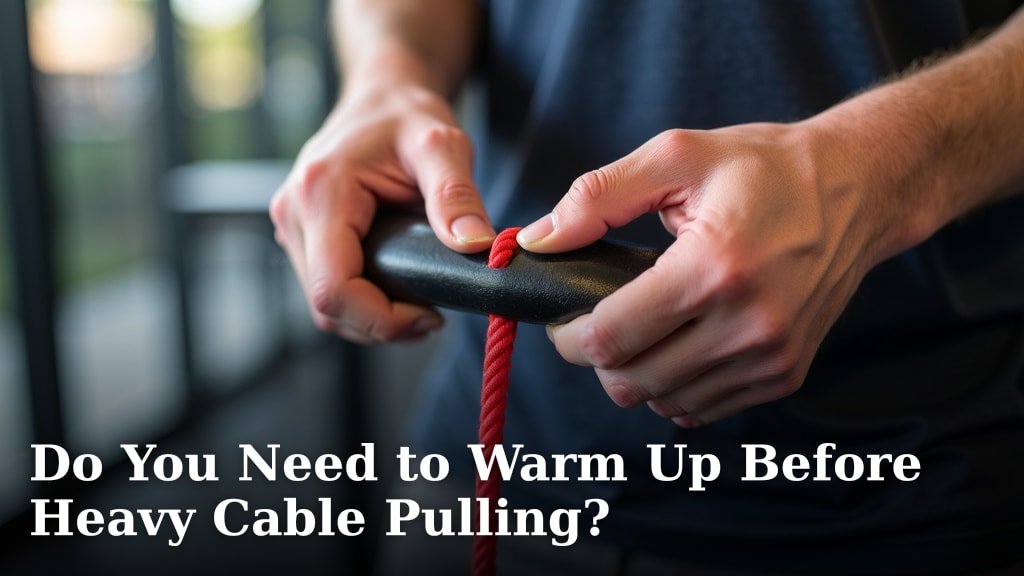
- Grab the rope attachment with an overhand grip.
- Step back to create tension.
- Pull the rope towards your face, leading with your elbows.
- Squeeze your shoulder blades together at the end.
- Slowly return to the start.
Cable Rows (Seated or Standing)
Cable rows are fantastic for developing your mid-back strength. They help pull your shoulders down and back. This movement directly combats the forward slump often seen with poor posture.
- For seated rows, use a V-bar or close-grip handle.
- Keep your back straight and chest proud.
- Pull the handle towards your lower abdomen.
- Squeeze your shoulder blades together.
- Control the release back to the start.
Cable Pullovers
While often used for lats, cable pullovers can also help with posture. They engage the muscles that depress your shoulders. This helps create a more open chest and better upper body alignment.
- Use a rope attachment or straight bar.
- Set the pulley to a high position.
- Stand facing away from the machine, or kneel.
- Keep a slight bend in your elbows.
- Pull the weight down towards your thighs.
- Feel the stretch in your lats and upper back.
Structuring Your Posture Workout
Consistency is key when it comes to posture improvement. We found that a structured approach yields the best results. Here’s how you can organize your cable machine posture workout.
Warm-Up Before You Start
Always begin with a light warm-up. This prepares your muscles for work. A few minutes of arm circles, shoulder rolls, and light stretching is enough.
Workout Frequency and Sets/Reps
Aim for 2-3 posture workouts per week. Allow a day of rest in between sessions. For most exercises, 3 sets of 10-15 repetitions is a good starting point. Focus on quality over quantity for each rep.
| Exercise | Sets | Reps | Focus Area |
|---|---|---|---|
| Face Pulls | 3 | 12-15 | Upper Back, Rear Delts |
| Seated Cable Rows | 3 | 10-12 | Mid-Back |
| Cable Pullovers | 3 | 10-12 | Lats, Shoulder Depression |
| Plank (Bodyweight) | 3 | 30-60 sec | Core Stability |
Important Tips for Effective Posture Training
Getting the most out of your posture workout involves more than just exercises. Small adjustments can make a big difference. We’ve compiled some tips to help you succeed.
Focus on Mind-Muscle Connection
Don’t just go through the motions. Really feel the muscles working with each repetition. This helps you engage the correct muscles. It makes your workout much more effective.
Maintain Proper Form
Good form is crucial to prevent injury and maximize results. If you can’t maintain proper form, lower the weight. It’s better to use less weight with perfect form than heavy weight with poor form.
Listen to Your Body
Pay attention to any pain or discomfort. Exercise should feel challenging, not painful. If something hurts, stop and adjust your form or the weight.
Consistency Over Intensity
Regular, moderate workouts are more effective than sporadic, intense ones. Make posture training a regular part of your routine. You’ll see gradual, lasting changes.
Integrating Posture Work into Daily Life
Your posture isn’t just about your workouts. It’s also about your daily habits. We found that incorporating awareness throughout your day reinforces your training.
- Check Your Desk Setup: Is your monitor at eye level? Are your feet flat on the floor?
- Take Regular Breaks: Stand up and stretch every 30-60 minutes.
- Practice Standing Tall: Imagine a string pulling your head towards the ceiling.
- Be Aware While Walking: Keep your shoulders back and down, and gaze forward.
- Sleep Posture: Try sleeping on your back or side with proper pillow support.
A comprehensive approach includes both exercise and daily habit adjustments. You’re building new muscle memory, so reinforce it often. This holistic view is supported by various health organizations (Harvard Health).
Conclusion
Improving your posture with a cable machine is entirely achievable. We’ve shown you how to target key muscles like your back, core, and shoulders. By incorporating face pulls, cable rows, and pullovers, you can effectively strengthen your posture. Remember, consistency and proper form are your best allies. Start today, and you’ll soon experience the benefits of standing taller and feeling better in your daily life.
Frequently Asked Questions
How long until I see posture improvements from cable exercises?
You can often feel subtle improvements in muscle engagement within a few weeks. Visible changes in posture typically take 6-12 weeks of consistent effort. Everyone is different, so be patient with your progress.
Can cable machines fix severe rounded shoulders?
Cable exercises can significantly help strengthen the muscles that counteract rounded shoulders. For severe cases, combining these exercises with professional guidance, like from a physical therapist, is often most effective. They can assess your specific needs.
Is it okay to do a cable posture workout every day?
Generally, it’s best to allow your muscles time to recover. We recommend 2-3 posture workouts per week, with at least one rest day in between. Overtraining can lead to fatigue or injury, hindering your progress.
What if I don’t have access to a cable machine?
While cable machines are excellent, you can still improve posture with other equipment. Dumbbell rows, resistance band face pulls, and various bodyweight exercises like planks are great alternatives. Focus on movements that strengthen your upper back and core.
Should I feel pain during a posture workout?
No, you should not feel sharp or lingering pain during or after your workout. A feeling of muscle fatigue or a good “burn” is normal. If you experience pain, stop the exercise and check your form or consult with a fitness professional.