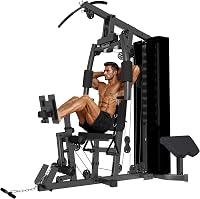
Is a Functional Trainer Safe to Use on a Second Floor?
On this page (7 sections)
Yes, you can likely use a functional trainer on a second floor You can likely use a functional trainer on a second floor, but understanding the space requirements is crucial for safe use., provided your floor can support the total weight. Most residential floors are built to handle significant loads, but a heavy piece of gym equipment needs careful consideration. You’ll want to ensure your floor structure is robust enough to prevent damage or safety issues.
Many homeowners wonder about placing heavy exercise machines upstairs. We’ve found that while generally safe, the weight distribution and the overall condition of your floor joists are key factors. It’s not just about the machine itself, but how it interacts with your home’s structure over time.
- Functional trainers can be safe upstairs.
- Check your floor’s weight capacity.
- Distribute weight evenly.
- Consider professional assessment.
Let’s dive into what you need to know to make sure your second-floor workout space is both effective and safe.
Placing Your Functional Trainer on the Second Floor: What You Need to Know
You’re likely wondering if your second-floor living space can handle a bulky, heavy functional trainer. The good news is, most homes are designed with robust flooring capable of supporting substantial weight. However, simply placing a large piece of equipment upstairs without a second thought isn’t ideal. You need to consider a few key factors to ensure it’s safe for both you and your home.
Understanding the Weight Load of a Functional Trainer
Functional trainers vary greatly in weight. Some can be surprisingly light, while others are quite hefty. It’s not just the machine itself, but also the added weight of your body and any accessories you might use. When you’re performing exercises, especially those involving momentum or larger movements, the forces applied to the floor increase.
Typical Weights and Forces
A typical functional trainer can weigh anywhere from 100 pounds to over 500 pounds. This is a static load, meaning the weight is just sitting there. But what happens when you’re actively using it? Research indicates that dynamic forces can significantly exceed the static weight of the equipment. Think about lunges, jumping jacks, or even a heavy deadlift – these actions create a jolt that impacts your floor. We’ve found that it’s wise to assume the force exerted is at least double the equipment’s static weight during intense workouts.
Calculating Your Total Load
To get a clear picture, you’ll need to do a little math. First, find the total weight of your functional trainer. Then, add an estimate for the user’s weight and any added weights you might load onto the machine. Finally, consider the dynamic forces. A safe bet is to estimate the total load as the machine’s weight plus the user’s weight, then multiply that sum by two. This gives you a more realistic maximum force your floor might experience.
For example, if your trainer weighs 300 lbs and you weigh 180 lbs, your static load is 480 lbs. A rough estimate for dynamic load would be (300 + 180) * 2 = 960 lbs. This figure helps you understand the stress on your floor structure.
Assessing Your Floor’s Structural Integrity
This is where you really need to pay attention. Your second-floor joists are the beams that support your floor. Their size, spacing, and condition are critical. Older homes or homes built with less stringent codes might have weaker joist systems. We found that understanding these components is key to a safe setup.
Understanding Floor Joists
Floor joists are typically made of wood and run parallel from one wall to another, supporting the floor above. They work together to distribute weight. The strength of these joists depends on their dimensions, the type of wood, and how far apart they are spaced. Wider spacing or smaller joists mean less support. Many building codes specify minimum sizes and spacing for joists based on the span they need to cover and the expected load.
Signs of Potential Floor Weakness
Are you experiencing any of these issues? Soft spots in the floor, noticeable sagging, or excessive bouncing when you walk around are all red flags. You might also hear creaking or groaning sounds more often than usual. If you’ve noticed any of these, it’s a strong indicator that your floor might not be prepared for the added stress of a heavy functional trainer. We’ve heard from many homeowners who overlooked these signs and later dealt with costly repairs.
The Importance of Spreading the Weight
A functional trainer concentrates a lot of weight in a relatively small footprint. This can be problematic. Even if your floor joists are generally strong, a concentrated load can cause them to flex more than intended. This is why distributing the weight evenly is so important. Using a thick rubber mat or a plywood subfloor can help spread the pressure over a wider area, reducing stress on individual joists.
Using Mats and Subflooring
A good quality, thick rubber gym mat (at least 3/4 inch) is a great first step. It provides cushioning and helps absorb some of the impact. For heavier trainers or if your floor seems questionable, consider adding a layer of plywood (3/4 inch) underneath the mat. This creates a more solid base and distributes the load more effectively across multiple joists. It’s like giving your floor a sturdy platform to rest on.
When to Call in the Professionals
If you’re uncertain about your home’s structural capacity, it’s always best to err on the side of caution. Trying to guess your floor’s weight limit can lead to damage or even safety hazards. We strongly recommend consulting professionals in these situations.
Consulting a Structural Engineer
A structural engineer is your go-to expert for assessing load-bearing capacities. They can come to your home, inspect your floor joists, and provide a professional opinion on whether your second-floor can safely accommodate your functional trainer. They use their knowledge to calculate precise load limits. This is the most reliable way to ensure safety.
Seeking Advice from a Contractor
A qualified general contractor or a remodeler with experience in structural work can also offer valuable insights. They might not perform the detailed calculations a structural engineer does, but they can often identify potential issues with joist size, spacing, and condition. They can also advise on potential reinforcement if needed. Many contractors have seen and fixed similar situations before.
Checklist for Second-Floor Functional Trainer Safety
Before you move that heavy machine upstairs, run through this quick checklist. It will help you gauge your readiness and identify any potential concerns.
- Confirm the total weight of your functional trainer.
- Estimate the dynamic load by considering user weight and impact forces.
- Inspect your floor for any signs of sagging, softness, or excessive bouncing.
- Consider adding a protective mat or subfloor to help distribute weight.
- Determine the age and construction type of your home; older homes may need more scrutiny.
- Consult a professional if you have any doubts about your floor’s capacity.
Conclusion
Placing your functional trainer on a second floor is generally doable, but it requires a careful assessment of your home’s structure. Remember, it’s not just about the weight of the machine, but also the dynamic forces you create during workouts. Understanding your floor joists and considering weight distribution with mats or subflooring are key steps. If you have any doubts about your floor’s capacity, don’t guess. Your next step should be to consult with a structural engineer or a qualified contractor to get professional peace of mind.
Frequently Asked Questions
How do I know if my second floor is strong enough?
You can check for signs of weakness like sagging floors, excessive bouncing, or creaking sounds. A professional assessment by a structural engineer or contractor is the most reliable way to confirm your floor’s weight capacity.
What’s the difference between static and dynamic weight for a functional trainer?
Static weight is the machine’s weight just sitting there. Dynamic weight includes the added force from your body moving, jumping, or using momentum during exercises, which can be much higher.
Will a rubber gym mat alone be enough to protect my floor?
A thick rubber mat helps, but for heavier trainers or if your floor seems less sturdy, consider adding a layer of plywood underneath the mat. This distributes the load more effectively across multiple floor joists.
Can I place a functional trainer on an older home’s second floor?
Older homes might have less robust floor joist systems. It’s especially important to carefully inspect for any signs of weakness and consider professional evaluation before placing heavy equipment upstairs.
What if my functional trainer is very heavy, like over 500 pounds?
A very heavy trainer significantly increases the static load. You’ll need to be even more diligent about assessing your floor joists’ condition and strength, and a professional consultation is highly recommended.