Is It Cheaper to Buy a Functional Trainer or Build a Home Gym?
On this page (7 sections)
Deciding whether to buy a functional trainer or build your own home gym depends on your goals and budget. Generally, buying a functional trainer is cheaper for most people if you’re starting from scratch and want a versatile, all-in-one solution. However, if you have specific equipment needs or love DIY projects, building your gym might offer more customization at a potentially lower cost over time.
When we look at the numbers, a commercial-grade functional trainer can cost anywhere from $1,000 to $5,000 or more. Building a home gym piece by piece could start with a rack for under $500, and then you add weights, benches, and other accessories. This approach allows you to invest as you go, potentially saving money if you don’t need every feature a functional trainer offers right away.
- Functional trainers offer all-in-one versatility but come with a higher upfront cost.
- Building a home gym allows for customization and phased investment, which can be cheaper long-term.
- Consider your fitness goals and available space when making the choice. Consider your available space when deciding between a functional trainer and a DIY gym.
- DIY home gyms can be cost-effective if you find used equipment or focus on essential pieces.
Let’s break down the costs and benefits of each option to help you make the best decision for your home workouts.
You’re standing at a fitness crossroads. Do you go for the all-in-one convenience of a functional trainer, or do you prefer the customizable adventure of building your own home gym from the ground up? Both paths lead to a stronger you, but the journey and the cost can be quite different. Let’s break down what makes sense for your wallet and your workout goals. If you plan to buy a trainer, this guide on when to shop can help you plan.
Weighing the Costs: Functional Trainer vs. DIY Gym
Choosing between these two options really comes down to what you want from your home fitness setup. We found that the decision often hinges on upfront cost versus long-term flexibility.
Understanding Functional Trainers
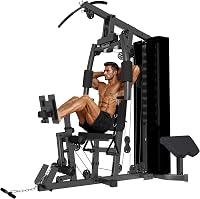
A functional trainer is like the Swiss Army knife of home gym equipment. It typically features two adjustable weight stacks and a pulley system. This allows for a huge variety of exercises. You can perform anything from chest presses and rows to bicep curls and triceps extensions. Many also come with attachments like handles, ropes, and ankle straps to expand your training even further. They are designed for versatility and space efficiency, packing a lot of workout potential into a single unit.
The Price Tag of a Functional Trainer
When you look at functional trainers, the price can vary wildly. Entry-level models might start around $1,000. Mid-range options often fall between $1,500 and $3,000. High-end, commercial-grade machines can easily climb to $5,000 or more. These costs depend on factors like the brand, the quality of materials, the weight stack options, and any extra features included. You’re paying for the integrated design and convenience.
Pros and Cons at a Glance
- Pros: All-in-one solution, space-saving, great for variety, quick to set up.
- Cons: High upfront cost, limited by weight stack increments, can be bulky.
The DIY Home Gym Approach
Building your own home gym is about creating a space tailored precisely to your needs. You get to choose each piece of equipment. This means you can start small and add to it over time. It’s a path for those who enjoy the process of selection and perhaps even a bit of hunting for deals. You can focus on the essential equipment that serves your specific training style.
The Building Blocks of a Home Gym
The core of many home gyms starts with a power rack or squat stand. These are essential for safe barbell training. A good rack can often be found for under $500. Next, you’ll need a barbell and weight plates. A basic set might add another $300-$500. Then comes an adjustable bench, which can range from $100 to $300. From there, you might add dumbbells, resistance bands, kettlebells, or other accessories depending on your fitness goals.
Cost Breakdown: Piece by Piece
The beauty of building your own gym is that you control the spending. You can start with the essentials and gradually add. A very basic setup (rack, bar, plates, bench) might cost around $800-$1,200. As you grow and your needs change, you can invest in more specialized equipment. This makes it a more budget-friendly option initially, especially if you don’t need every bell and whistle right away.
Pros and Cons of a DIY Gym
- Pros: Customizable, can be cheaper long-term, phased investment, can find used deals.
- Cons: Requires more research, can become cluttered, takes more time to set up, might need more space for separate pieces.
Comparing the Investment Over Time
When we look at the long haul, the financial picture can shift. What seems cheaper upfront might not be the most economical choice down the road.
Functional Trainer: Long-Term Value?
A functional trainer is an all-in-one investment. For someone who wants a wide range of exercises without needing multiple machines, it can be a good value. You avoid the need to buy and store numerous separate pieces of equipment. However, if your training progresses to needing heavier weights than the stacks provide, you might find yourself needing additional equipment anyway. This makes the initial cost less flexible if your needs change significantly.
DIY Gym: Scalability and Savings
The DIY gym model shines in its scalability. You can start with a solid foundation and add specialty items as needed. For example, if you decide you want to get into Olympic lifting, you can invest in bumper plates later on. If you find great deals on used equipment, you can significantly reduce the overall cost. Many fitness enthusiasts report saving money over time by carefully selecting and acquiring their equipment piece by piece. This phased approach allows your gym to grow with your fitness journey without massive upfront financial strain.
Which Option is Right for Your Workout Style?
Your personal fitness goals play a huge role. Are you training for general fitness, bodybuilding, or a specific sport? Let’s see how each option stacks up.
For the All-Around Fitness Enthusiast
If you enjoy a broad range of exercises and want to hit every muscle group without switching machines, a functional trainer is very appealing. It’s excellent for compound movements and isolation exercises alike. You can perform cable crossovers, lat pulldowns, and even some lower body work. This type of training promotes balanced development and functional strength. If space is a concern, the compact nature of many functional trainers is a big plus.
For the Strength-Focused Athlete
If your primary goal is to lift heavy weights, a functional trainer might feel limiting. The weight stacks typically cap out around 150-300 lbs. For serious powerlifters or those aiming for significant strength gains, a power rack and free weights are usually a better fit. You can load barbells with hundreds of pounds. Building a DIY gym around a sturdy rack allows for unlimited progression in weight. You can also incorporate exercises like deadlifts, squats, and bench presses with greater freedom and safety (when using proper spotting or safety bars).
For the Budget-Conscious Beginner
Starting out can be expensive. Building a DIY home gym with used equipment is often the most cost-effective route for beginners. You can find barbells, plates, and even benches for a fraction of the new price. This allows you to get started with essential training tools without breaking the bank. As you gain experience and clarity on what equipment you use most, you can then invest in newer or higher-quality pieces. It’s a smart way to build your gym gradually.

Space and Practical Considerations
Don’t forget about where this equipment will live! Your home gym needs to fit comfortably.
Space Efficiency: Functional Trainers
Functional trainers are designed with space efficiency in mind. Many have a relatively small footprint, often less than 6 feet by 6 feet. They allow you to perform a multitude of exercises in a single spot. This makes them ideal for smaller rooms or areas where you need to preserve floor space. You can often do your entire workout without moving from the machine itself. This convenience in a compact form is a major selling point.
Space Needs: DIY Gyms
A DIY gym can require more space, especially if you’re setting up a rack, bench, and space for barbell lifts. A power rack, for example, can take up a significant portion of a room. You also need clearance around the rack for performing exercises safely. However, you can scale a DIY gym down. A simple squat stand is much smaller than a full power rack. You can also opt for wall-mounted racks that fold away when not in use, offering a space-saving solution for DIY setups.
Your Home Gym Checklist: What to Consider
Before you make the leap, run through this quick checklist:
- Your Budget: How much can you realistically spend upfront?
- Your Goals: What kind of training do you want to do?
- Available Space: How much room do you have to dedicate?
- Equipment Longevity: Do you want something that lasts forever or are you okay with upgrades?
- DIY Enthusiasm: Do you enjoy assembling and finding deals?
- Versatility Needs: Do you need one machine for everything, or do you prefer specialized tools?
Conclusion
So, is it cheaper to buy a functional trainer or build your own gym? Our research shows that for most people starting fresh, a functional trainer offers convenience at a higher upfront price. renting or buying, especially with used equipment, often proves more budget-friendly long-term and offers greater customization. Consider your specific fitness goals, available space, and your willingness to hunt for deals. For a versatile, all-in-one solution, a functional trainer might be your answer. If you crave flexibility and progressive investment, building your gym is likely the smarter move.
Frequently Asked Questions
Can I really get a decent home gym for under $1000?
Yes, you absolutely can. By focusing on essential pieces like a power rack, barbell, weight plates, and an adjustable bench, you can build a solid foundation for around $800 to $1,200. Hunting for used equipment can bring this cost down even further, making it achievable for many budgets.
What if my fitness goals change later?
This is where building your own gym shines. If your goals shift from general fitness to strength training, you can easily add heavier weights or specialized bars to your existing setup. A functional trainer might become limiting if your needs evolve beyond its weight stack capacity.
Are functional trainers worth the high upfront cost?
For some, yes. If you value an all-in-one, space-saving solution and want a wide variety of exercises without needing multiple machines, a functional trainer can be a good investment. It’s about convenience and the ability to do many workouts in one spot.
How much space do I really need for a DIY home gym?
It depends on your setup. A basic squat stand and bench require less space than a full power rack. You’ll need enough room for the equipment itself plus clearance to move safely. Foldable racks can be a great space-saving option for smaller areas.
Is buying used equipment for a home gym a good idea?
It can be an excellent way to save money. Many people sell lightly used gym equipment in great condition. Just be sure to inspect items thoroughly for wear and tear, especially weight plates and racks, to ensure they are safe and functional.