How to Repair a Legion FT100 Functional Trainer Cable Pulley
To repair a Legion FT100 functional trainer cable pulley, stop using the machine, inspect the cable and wheel, and replace damaged parts only with compatible components. Follow the FT100 manual and contact Legion if the cable path or replacement part is unclear.
On this page (8 sections)
- What should you do before repairing the FT100 pulley?
- How can you inspect a Legion FT100 cable pulley?
- What can cause an FT100 pulley to jam or squeak?
- How do you replace a damaged FT100 pulley?
- How do you reassemble and check the pulley?
- Do cable stoppers or protective materials help with this repair?
- When should you contact Legion or a repair technician?
- How should you decide whether to repair the FT100 pulley?
To repair a Legion FT100 functional trainer cable pulley, stop using the machine, inspect the cable and wheel, and replace damaged parts only with compatible components. Follow the FT100 manual and contact Legion if the cable path or replacement part is unclear.
A pulley problem can come from a dirty track, a cable out of alignment, a loose mount, or a worn wheel. Inspect the full route before deciding which part needs attention.
What should you do before repairing the FT100 pulley?
Unload the machine and stop using the affected cable station until you know the cause. Keep hands clear of the cable path, and don't pull or twist a cable under tension.
Read the FT100 manual for its service steps and safety warnings. If you can't confirm how to release tension safely, ask Legion support or a qualified fitness-equipment technician.
Keep the work area clear, and take photos of the pulley, cable routing, and hardware before removing anything. Those pictures can help you restore the original cable path.
How can you inspect a Legion FT100 cable pulley?
Check the cable, wheel, mount, and cable path for visible damage or obstruction. Look for frayed strands, kinks, flattened areas, rust, cracks, looseness, and a wheel that rubs or doesn't turn freely.
With the machine unloaded, move the handle slowly only if the manual permits it. Watch whether the cable stays centered in the pulley groove and passes over nearby wheels without rubbing a frame or guard.
Stop if the cable jumps, binds, or shows damage. For more general inspection steps, see the Functional Trainer Pulley Replacement Guide.
What can cause an FT100 pulley to jam or squeak?
A jam often points to a cable obstruction, misalignment, debris, or a pulley that no longer turns freely. Squeaking can come from friction or wear, but the sound alone doesn't identify the failed part.
Check for debris around the wheel and make sure the cable sits in its groove. Don't apply lubricant unless the FT100 manual specifies where and what to use, since lubricant can attract dirt or affect parts.
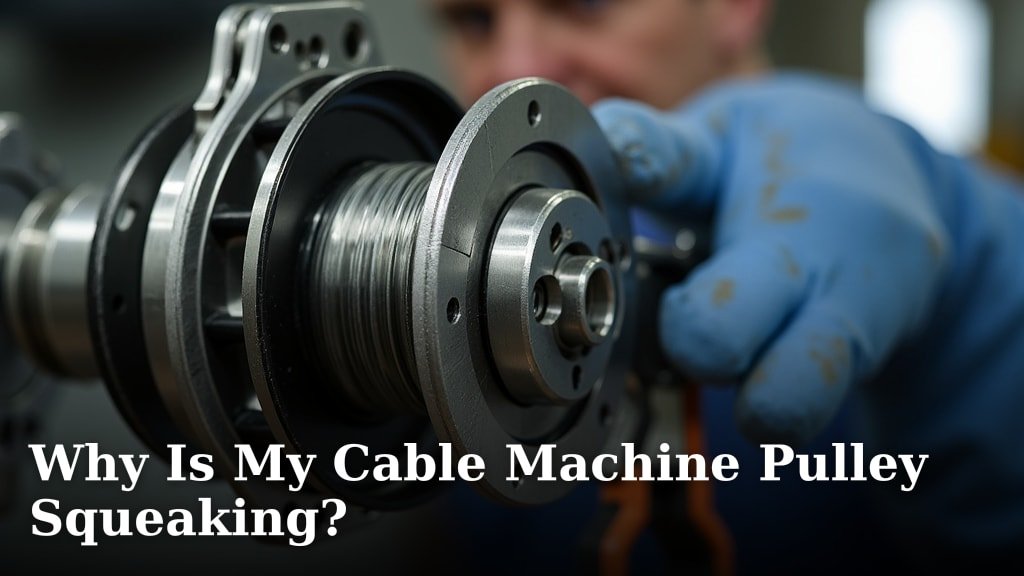
If the wheel stops turning or the cable catches, keep the machine out of use until you identify the cause. Our guides explain why a cable pulley may be jammed and why a cable machine pulley may squeak.
Is the cable damaged, or is only the wheel affected?
Treat visible cable damage as a reason to stop using the station. A damaged wheel can often be replaced, but a worn or frayed cable also needs attention before the machine returns to service.
Check the cable from end to end, including the areas hidden by pulley covers if the manual explains how to remove them. Don't disassemble covers or tensioned parts without clear instructions.
How do you replace a damaged FT100 pulley?
Use the FT100's service instructions and a replacement pulley confirmed for that machine. Generic pulley dimensions or a similar-looking wheel aren't enough to establish compatibility.
Before disassembly, take a clear photo of the cable route and identify the hardware at the mounting point. Follow the manual's sequence for unloading or releasing the cable, then remove only the parts needed to reach the pulley.
Inspect the axle, bracket, and fasteners while the wheel is off. Replace damaged mounting hardware as directed, and don't reuse a bent bracket or cracked wheel.
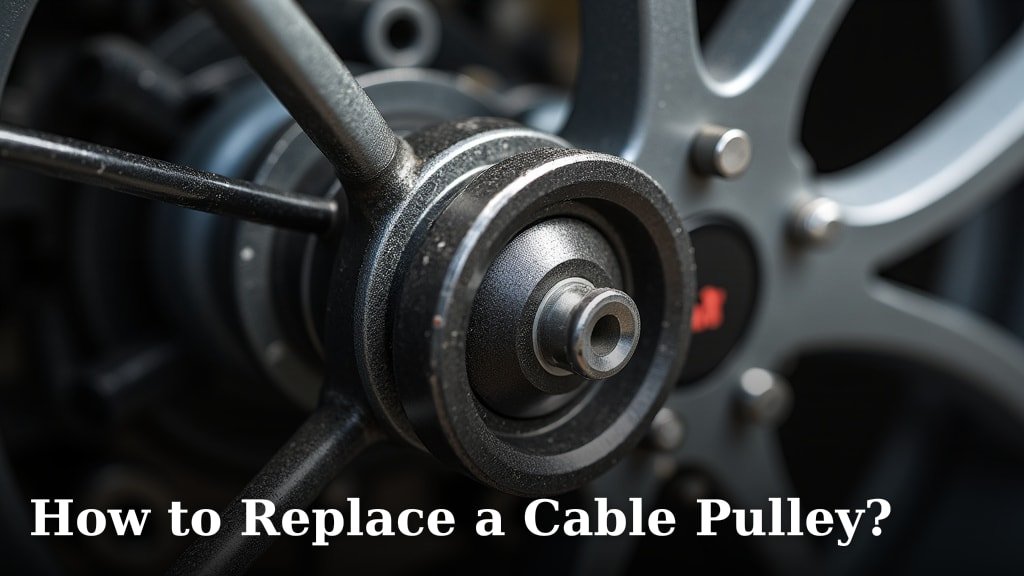
For a broader walkthrough, read How to Replace a Cable Pulley?. If the manual doesn't show the FT100 assembly or you can't confirm the correct part, contact Legion before ordering or reinstalling anything.
What replacement parts should you confirm?
Confirm the wheel, axle or bearing, fasteners, and cable compatibility as a complete setup. The FT100 manual or Legion support is the source for machine-specific fit and routing.
ULXIOM's stopper assembly uses a steel terminal core with set screws and a rubber stop. It is an end-stop component, not a pulley wheel or a repair for frayed cable.
A winch stopper is designed for winch cable use, so don't substitute one for a functional-trainer part unless Legion confirms that exact use. The best cable pulley system for a functional trainer and best cable pulley wheel for a functional trainer guides can help you compare general parts, but FT100 fit still needs confirmation.
How do you reassemble and check the pulley?
Restore the cable to its documented route and secure each fastener as the manual directs. Keep the cable centered in the wheel groove and check that guards and covers are back in place.
Before loading the machine, move the handle slowly through its full travel while watching the cable. Stop if you hear scraping, see the cable drift, or feel uneven resistance.
Only return the station to use after the wheel turns freely, the cable tracks correctly, and all hardware is secure. If anything shifts or binds, stop and contact Legion support.
Do cable stoppers or protective materials help with this repair?
A stopper or cover can help with a specific cable-end or upholstery issue, but neither repairs a pulley. Choose accessories only after confirming their size and purpose match the FT100 setup.
Its split silicone design and included hardware are for winch applications. The stated diameter range alone doesn't mean it fits or is safe for a functional trainer.
The fabric is water resistant and intended for upholstery and craft projects. It won't reinforce a pulley mount, protect a moving cable, or replace any machine safety component.
When should you contact Legion or a repair technician?
Get help when the cable path is unclear, a mount is bent, a cable is frayed, or the correct replacement part can't be confirmed. Don't guess at a repair that could let a loaded cable slip or break.
Send Legion support the FT100 model details, photos of the affected pulley and cable route, and a short description of what happens during movement. Ask them to confirm the part number and repair steps for your machine.
How should you decide whether to repair the FT100 pulley?
For a Legion FT100 functional trainer cable pulley repair, clean and inspect only what the manual allows, then replace parts using machine-specific instructions. Stop using the station if the cable is damaged, the wheel binds, or the mounting hardware is compromised.
Choose a self-repair only when the fault and compatible part are clear. If the cable routing or fit is uncertain, contact Legion or a qualified technician before using the trainer again.
Frequently asked questions
Can I keep using the FT100 if its pulley squeaks?
Stop and inspect it before another workout. A squeak may come from debris, misalignment, or a worn wheel, and sound alone cannot show whether the cable is safe.
Check the manual and look for fraying, kinks, looseness, or a wheel that binds.
Don't use the machine if you find damage.
Can I use any replacement pulley on the Legion FT100?
No. Match the pulley to the FT100's cable path, mounting point, dimensions, and load requirements, using the manual or Legion support to confirm the part.
A wheel that looks similar may have a different groove or bearing and can misalign the cable.
How do I know if the cable needs replacement too?
Replace the cable if you see broken strands, fraying, kinks, flattening, corrosion, or damage near a stop or termination. A new pulley won't make a damaged cable safe.
Use the FT100 manual or Legion support to confirm the correct cable and replacement procedure.
Are cable ball stoppers a replacement for pulley repair?
No. A cable ball stopper helps limit travel at a cable end, but it doesn't repair a damaged wheel, bearing, cable, or mounting point.
Use one only if the FT100 cable size and setup are confirmed compatible, and follow the machine's instructions.