What Is a Low Pulley Attachment Used For?
On this page (6 sections)
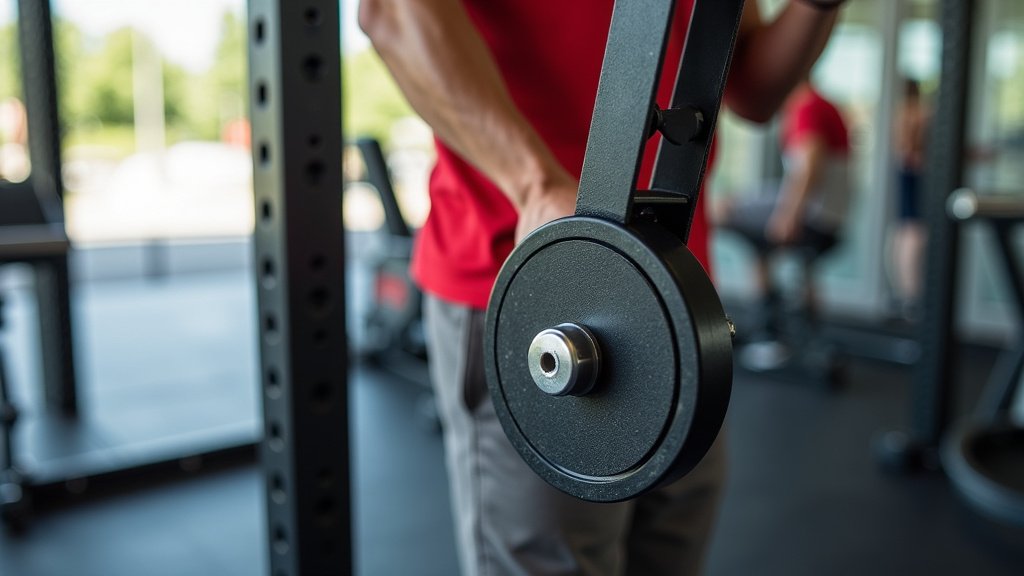
A low pulley attachment is a versatile piece of gym equipment used for a wide range of strength training exercises. For cable work from a mid-height position, see our guide to mid pulley uses. For a higher cable position and its uses, see our guide to high pulley attachments. It allows you to perform movements from a lower angle, targeting muscles like your hamstrings, glutes, and core. This attachment significantly expands the possibilities for your workouts.
You’ll often find a low pulley attachment as part of a cable machine or functional trainer. It’s excellent for exercises like hamstring curls, seated rows, and various single-leg movements. Many people find it a great way to add variety and effectiveness to their fitness routine.
- The low pulley attachment helps build lower body strength.
- It targets muscles such as hamstrings and glutes.
- It’s great for exercises like hamstring curls and rows.
- It adds great versatility to cable machines.
So, what exactly can you do with a low pulley attachment? Let’s break down its most common and effective uses for your next gym session.
The Versatile Roles of a Low Pulley Attachment in Your Workouts
So, you’ve seen the low pulley attachment on the gym cable machine and wondered what it’s really good for. You’re in the right place to find out! This seemingly simple piece of equipment is a secret weapon for building strength and improving your physique. It’s fantastic for targeting muscles you might otherwise miss.
The low pulley attachment offers a unique angle of resistance. This means it can help you perform exercises in ways that free weights or machines can’t. You’ll be able to hit your muscles from a different direction. This can lead to better muscle development and help you break through plateaus.
Building Lower Body Power and Definition
Many people associate low pulleys with upper body work, but they are a powerhouse for your legs and glutes. The constant tension provided by the cable is ideal for these muscle groups. You can achieve excellent results with focused movements.
Hamstring Focus: The Lying Hamstring Curl
One of the most popular uses for a low pulley is the lying hamstring curl. You’ll typically attach an ankle cuff to the pulley. Then, lie face down on a bench with your feet extended towards the machine. You pull your heels towards your glutes, feeling a deep contraction in your hamstrings.
This exercise is excellent for strengthening the back of your thighs. Strong hamstrings are vital for athletic performance and can help prevent knee injuries. Research shows that training the hamstrings directly is important for overall leg health and balance (National Strength and Conditioning Association).
Tips for a Better Hamstring Curl
When performing lying hamstring curls, focus on a controlled movement. Don’t let the weight slam back down. Squeeze your hamstrings at the top of the movement. You should feel the muscle working hard. Keep your hips pressed into the bench to avoid using your lower back.
Glute Activation and Development
The low pulley is also superb for targeting your gluteal muscles. These are key for powerful movements like running, jumping, and even just standing. Strengthening your glutes can also help with posture and alleviate lower back pain.
The Cable Kickback: A Glute Essential
For glute kickbacks, you’ll again use an ankle cuff attached to the low pulley. Stand facing the machine and place one foot through the cuff. You can hold onto the machine for balance. Keeping your core engaged, extend your leg straight back, squeezing your glute at the peak of the movement. You’ll feel a great burn in your rear end.
This exercise helps isolate and build the gluteus maximus. Many find it more effective than bodyweight exercises alone. The constant tension from the cable ensures your glutes are working throughout the entire range of motion. This is a key advantage for muscle growth.
Single-Leg Romanian Deadlifts (RDLs)
You can also perform single-leg RDLs using the low pulley. Attach a handle to the low pulley. Stand facing the machine, holding the handle with the hand on the opposite side of your working leg. Keeping your standing leg slightly bent, hinge at your hips, lowering your torso as your free leg extends behind you. This works your hamstrings, glutes, and improves balance.
This movement challenges your stability and your posterior chain muscles simultaneously. It’s a fantastic way to improve functional strength. Remember to keep your back straight throughout the movement.
Strengthening Your Upper Body and Core
While fantastic for the lower body, the low pulley’s utility doesn’t stop there. It’s equally effective for building a stronger upper body and a more resilient core. You can perform a surprising variety of movements from this low anchor point.
The Mighty Seated Row
The seated row is a staple for back development, and the low pulley makes it highly accessible. Attach a V-bar or straight bar handle to the low pulley. Sit on the floor or a bench with your legs extended. You’ll want to keep your back straight and core engaged.
Pull the handle towards your torso, squeezing your shoulder blades together. You should feel this working your back muscles, like the rhomboids and lats. The low angle targets the lower and mid-back effectively. It’s a great exercise for improving posture.
Form Tips for Seated Rows
To get the most out of your seated rows, avoid leaning too far back. Keep your chest up and focus on pulling with your back, not just your arms. Imagine you’re trying to pinch a pencil between your shoulder blades. This focus helps you activate the right muscles.
Bicep Curls: A Different Angle
Did you know you can perform bicep curls from the low pulley? Attach a straight bar or EZ-bar handle. Stand facing away from the machine, holding the handle with an underhand grip. Keeping your elbows tucked in, curl the weight up towards your chest. This variation hits your biceps from a slightly different angle than standing barbell curls.
This can be a great way to shock your biceps and encourage new growth. Many people find that varying their exercises helps them continue to make progress. It’s all about keeping your muscles guessing!
Core Strength and Stability
Your core muscles – your abdominals, obliques, and lower back – are essential for stability and power transfer. The low pulley can be a fantastic tool for developing a strong, resilient core.
The Pallof Press: Anti-Rotation Power
One of the best core exercises you can do with a low pulley is the Pallof press. Attach a single handle or rope to the pulley at chest height. Stand sideways to the machine, holding the handle with both hands in front of your chest. Step away from the machine until you feel tension. Your goal is to resist the rotational pull of the cable.
Press the handle straight out in front of you, holding for a moment, and then slowly return. You should feel your core muscles working hard to keep you stable. This exercise is brilliant for building anti-rotational strength, which is highly functional in everyday life and sports.
Wood Chops: Rotational Power
For a more dynamic core exercise, try the wood chop. Attach a rope or single handle to the low pulley. Stand sideways to the machine. Start with the handle high on one side of your body and pull it diagonally across your body towards the opposite knee. You’ll engage your obliques and abs in a controlled rotational movement. This exercise mimics functional movements and helps build power.
Remember to control the movement on the way back. The resistance should feel challenging but manageable. This exercise is great for developing the power and strength needed for twisting motions. It’s a fun way to train your core.
Adding Variety and Progression to Your Routine
One of the biggest benefits of the low pulley attachment is the sheer variety it adds to your workouts. You’re not limited to just a few exercises. You can tailor your routines to hit specific muscles or work on weaknesses.
Making the Most of Cable Resistance
The constant tension of a cable machine is a key advantage. Unlike free weights, the resistance doesn’t significantly decrease at different points in the movement. This means your muscles are engaged throughout the entire range of motion. This type of tension is excellent for muscle hypertrophy (growth).
Research has shown that variable resistance training, which cables provide, can be very effective for muscle building and strength gains (Journal of Strength and Conditioning Research). It’s like having a personal trainer constantly adjusting the weight for you.
Progression Strategies
The low pulley makes progression straightforward. You can easily increase the weight incrementally to challenge yourself. You can also increase the number of repetitions or sets. Adjusting the height of the pulley can also change the angle of resistance, offering a new stimulus.
Consider changing the tempo of your lifts. Slowing down the eccentric (lowering) phase can increase time under tension. You can also incorporate pauses at peak contraction. These small tweaks can make a big difference in your results. Don’t be afraid to experiment!
Here’s a quick checklist to help you remember the key uses:
- Target hamstrings with lying curls.
- Build glutes with cable kickbacks.
- Strengthen your back with seated rows.
- Develop your core with Pallof presses.
- Add bicep variations.
- Improve single-leg stability.
The low pulley attachment is a truly versatile tool in your fitness arsenal. Whether you’re looking to build lower body strength, sculpt your back, or develop a rock-solid core, it has you covered. So next time you’re at the gym, don’t overlook this powerful piece of equipment!
Conclusion
You’ve seen how a low pulley attachment can dramatically expand your workout options. It’s your go-to for building powerful legs and glutes, strengthening your back and biceps from new angles, and developing a rock-solid core. Remember that constant tension from cables is fantastic for muscle growth and strength. So, don’t just stick to what you know. Next time you’re in the gym, make it a point to incorporate a few low pulley exercises into your routine. Your body will thank you for the added challenge and variety!
Frequently Asked Questions
Can I really build significant glute muscle with a low pulley?
Yes, you absolutely can. Exercises like cable kickbacks and single-leg Romanian deadlifts use constant tension. This keeps your glutes activated throughout the entire movement, which research shows is great for muscle hypertrophy.
Is a low pulley good for beginners?
Yes, it is. The stable resistance of a cable machine makes it easier for beginners to learn proper form. You can start with lighter weights and focus on mastering the movements before increasing the load.
How often should I use the low pulley for my workouts?
You can incorporate low pulley exercises into your routine 2-3 times per week, depending on your overall training split. Ensure you allow adequate rest for muscle recovery between sessions.
Can I use a low pulley for rehabilitation or injury recovery?
Often, yes. The controlled resistance and smooth movement can be beneficial for regaining strength post-injury. However, it’s always best to consult with a physical therapist or doctor before starting any new exercises for rehabilitation.
What’s the main difference between using a low pulley and free weights for the same exercise?
The key difference is the constant tension. Cables provide resistance throughout the entire range of motion, while free weights can have points where the resistance is less. This constant tension can lead to more consistent muscle engagement and potentially better results.