What Is a Spotter Arm on a Functional Trainer?
On this page (8 sections)
- Understanding Spotter Arms on Your Functional Trainer
- Why You Need Spotter Arms for Functional Training
- Types of Spotter Arms and Their Features
- Choosing the Right Spotter Arms for Your Functional Trainer
- Maximizing Safety: Best Practices for Using Spotter Arms
- Your Checklist for Spotter Arm Safety
- Conclusion
- Frequently Asked Questions
A spotter arm on a functional trainer is a safety device that catches the weight if you fail a lift. It’s a crucial accessory for Learn about essential functional trainer safety checks to ensure your equipment is always reliable.preventing injuries, especially when you’re training alone. These arms provide a reliable safety net, letting you push your limits with confidence.
Think of them as your personal safety crew for every rep. Spotter arms are designed to protect you from being crushed by heavy weights. Many fitness experts recommend them for anyone using a functional trainer for strength building. They truly add peace of mind to your workouts.
- Spotter arms catch falling weights.
- They are essential for safe solo training.
- They prevent injuries by providing a safety net.
- They allow you to lift heavier with more confidence.
Let’s dive into exactly what spotter arms are and why they are so important for your functional training sessions.
Understanding Spotter Arms on Your Functional Trainer
So, what exactly are these spotter arms we’re talking about? They are essentially safety attachments for your functional trainer or squat rack. Think of them as a built-in safety net for your lifting sessions. They are designed to catch the barbell if you can’t complete a repetition. This prevents you from getting pinned under the weight. Many home gym setups include these, or they can be added as an accessory.
How Spotter Arms Work to Keep You Safe
Spotter arms function by being positioned at a height that’s just below your chest or head, depending on the exercise. They typically stick out from the uprights of your rack. When you lower the barbell during a lift, like a bench press or squat, and you can’t push it back up, the barbell will fall. Instead of dropping all the way to the floor or onto you, the spotter arms catch the weight. This stops the weight from falling further. It allows you to safely bail out of the lift without injury.
The Mechanics of Protection
The design of these arms is pretty straightforward. They are usually made of sturdy steel. This ensures they can handle a lot of weight. They often have a pin or bolt system that slots into the holes on your functional trainer’s frame. This makes them adjustable. You can move them up or down to match your specific lifting needs. Some models feature protective padding. This padding helps to reduce noise and protect your barbell from damage.
Why You Need Spotter Arms for Functional Training
Let’s talk about the real reason you’re here: safety. Training alone can be intimidating. You might worry about what happens if you hit a sticking point on a heavy lift. This is where spotter arms become your best friend. They are a game-changer for solo lifters. They remove a lot of the fear associated with pushing your limits.
The Dangers of Lifting Without a Spotter
When you’re lifting heavy weights, especially compound movements like squats or bench presses, there’s always a risk. If you fail a rep, you need a way to get out of trouble. Without a spotter or safety arms, you could be in a dangerous situation. A dropped barbell can cause serious injury. This includes muscle tears, fractures, or even more severe trauma. Research from the National Strength and Conditioning Association highlights that improper lifting techniques or fatigue can lead to accidents (NSCA).
When Spotter Arms Shine
Spotter arms are particularly useful for:
- Bench Pressing Alone: This is perhaps the most common scenario. If you can’t press the bar up, it can fall onto your chest or throat. Spotter arms prevent this catastrophe.
- Squatting Heavy: Failing a squat can lead to the bar rolling off your back. If you’re in a power rack with spotter arms, they’ll catch the bar. This is a much safer outcome.
- Overcoming Sticking Points: Sometimes you just get stuck. You can’t push through a certain part of the lift. Spotter arms give you the confidence to go for that extra rep, knowing you have a safety net.
- Progressive Overload: To get stronger, you need to gradually increase the weight you lift. Spotter arms allow you to attempt heavier weights with less fear of failure.
Peace of Mind for Your Workouts
The psychological benefit of having spotter arms cannot be overstated. Knowing you have a safety system in place allows you to focus better on your form and your muscles. You’re not constantly distracted by the fear of what might go wrong. This mental freedom can lead to more effective workouts. You can push yourself harder and achieve your fitness goals faster. It’s like having a silent, reliable gym partner who never gets tired or distracted.
Types of Spotter Arms and Their Features
Not all spotter arms are created equal. They come with different features and designs. Understanding these differences will help you choose the best ones for your needs. We found that the material, length, and attachment mechanism are key considerations.
Pin and Hanger Style Spotter Arms
These are the most common type. They use a thick pin that inserts into the uprights of your rack. A “hanger” or cradle is attached to the pin. This cradle holds the barbell. They are generally very strong and reliable. The pin diameter and length vary between manufacturers. You’ll want to ensure the pin size matches your rack’s hole size.
Safety Strap Spotter Arms
These are a less common but effective alternative. Instead of solid metal arms, they use heavy-duty straps. These straps are made from materials like nylon or Kevlar. They wrap around the uprights or attach via pins. When the barbell drops, the straps absorb some of the impact and catch the weight. Some users prefer these for their ability to absorb shock.
Key Features to Look For
When you’re shopping for spotter arms, keep these features in mind:
- Weight Capacity: Make sure the arms can safely support much more weight than you plan to lift. Most good quality arms will list a capacity of 600-1000 lbs or more.
- Length: The length of the arm determines how far out it extends. Longer arms can provide more stability, especially for wider racks. Measure your rack to ensure a good fit.
- Material and Construction: Look for thick, high-quality steel. Welds should be clean and strong.
- Attachment Mechanism: Ensure the pin or bolt system is robust and easy to adjust.
- Padding: Some arms come with rubber or vinyl padding. This protects your barbell from scratches and reduces noise during lifts.
Choosing the Right Spotter Arms for Your Functional Trainer
Selecting the correct spotter arms involves a few simple checks. Your primary goal is to ensure they are compatible with your equipment and meet your training demands. We found that compatibility is key to safety.
Compatibility Check: Rack Type and Hole Spacing
The most important factor is whether the spotter arms will fit your functional trainer or power rack. Most arms are designed for standard racks with pin-and-hole uprights. You need to know the hole spacing on your rack. Common hole spacings are 1-inch or 2-inch increments. Measure your rack’s holes to confirm compatibility. Also, check the pin diameter; it needs to match the holes.
Considering Your Lifting Goals
Think about the exercises you do most often. Are you primarily bench pressing? Squatting? Do you plan on doing Olympic lifts? For squatting, longer arms might be preferable. For bench pressing, standard length arms are usually fine. If you lift very heavy, prioritize spotter arms with the highest weight capacity. Many fitness professionals recommend checking the manufacturer’s specifications for your rack.
Budget and Brand Reputation
Like any fitness equipment, prices can vary. You can find spotter arms for under $100, and premium models can cost more. While budget is a factor, don’t compromise on safety. We found that investing a little more in a reputable brand often means better quality and durability. Reading reviews from other users can be very helpful.
A Quick Comparison of Spotter Arm Types
Here’s a simple way to look at the differences:
| Feature | Pin & Hanger Style | Safety Strap Style |
|---|---|---|
| Durability | High (Solid Steel) | Moderate to High (Depends on strap material) |
| Weight Capacity | Generally Very High | Can be high, but may vary |
| Shock Absorption | Low | Higher |
| Noise Reduction | Low (Unless padded) | Moderate |
| Commonality | Very Common | Less Common |
Maximizing Safety: Best Practices for Using Spotter Arms
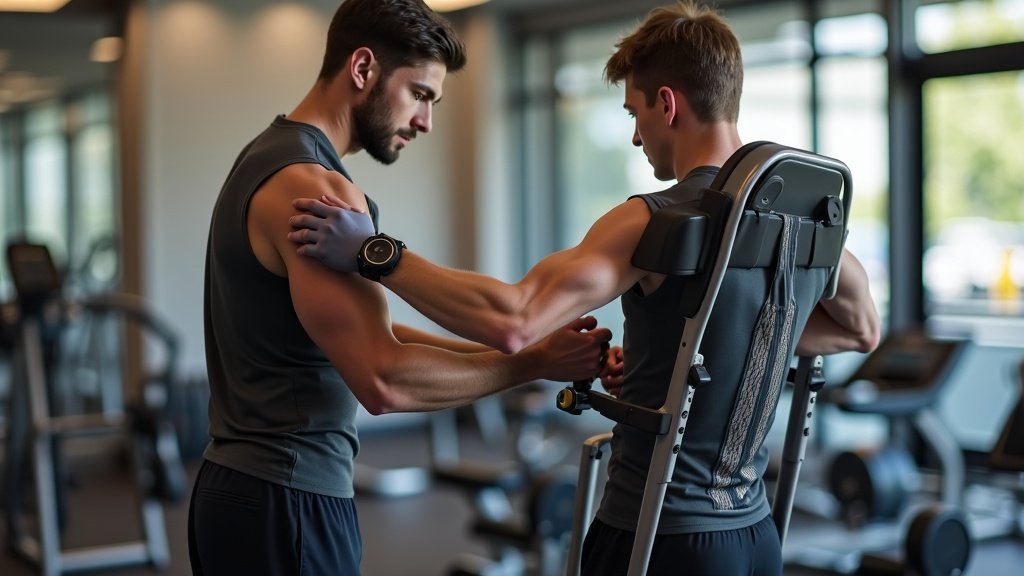
Having spotter arms is only part of the safety equation. Using them correctly is just as important. Think of it like wearing a seatbelt; it’s there to protect you, but you still need to buckle up properly.
Proper Placement is Key
Always set your spotter arms to the correct height before you start lifting. For bench presses, they should be just below your chest when the bar is racked. For squats, they should be positioned low enough so that if you fall, you can drop the bar onto them without it hitting your legs or the floor. Many trainers advise having a spotter double-check your placement if possible. Always test the weight on the spotter arms with a light load first.
When Not to Rely Solely on Spotter Arms
While spotter arms are excellent, they aren’t foolproof. They can’t help if you fall forward during a squat, for example. For highly technical lifts or when attempting personal bests, having a trained human spotter is still the safest option. Consider spotter arms as a primary safety measure for solo training, but not a complete replacement for all scenarios.
Regular Inspection and Maintenance
Periodically check your spotter arms for any signs of wear and tear. Look for cracks, rust, or loose parts. Ensure the pins are secure and the padding (if any) is intact. We found that maintaining your equipment is a simple way to ensure its reliability. A quick check before each workout can prevent unexpected issues.
Your Checklist for Spotter Arm Safety
Here’s a quick rundown to keep you safe:
- Confirm your rack’s hole size and spacing match the spotter arms.
- Check the weight capacity of the arms against your lifting goals.
- Ensure the arms are securely locked into the rack before lifting.
- Set the height correctly for each specific exercise.
- Inspect arms for damage before each workout session.
- Know when a human spotter is still the best choice.
Conclusion
You now understand that spotter arms are a vital safety feature for your functional trainer. They act as your personal safety net, especially when you’re training solo. By catching the weight if you fail a lift, they protect you from serious injury. Whether you choose pin-and-hanger or strap styles, ensuring proper fit and placement is key. Prioritize investing in quality arms that match your rack and your lifting goals. Make sure to regularly inspect them for wear and tear. Use this knowledge to build confidence and push your limits safely in your home gym. Your next step? Confirm your rack’s specifications and find the perfect spotter arms to enhance your training safety.
Frequently Asked Questions
Are spotter arms really necessary if I have a spotter?
Spotter arms are primarily designed for solo training. While a human spotter is always ideal for heavy or technical lifts, spotter arms provide essential backup. They are a reliable safety net for those times when you can’t make it to the gym or simply want an extra layer of security for your solo sessions.
How do I know if spotter arms will fit my functional trainer?
You’ll need to check your functional trainer’s specifications for hole spacing and pin diameter. Most spotter arms are designed for standard racks with pin-and-hole uprights. Measuring your rack’s hole spacing (commonly 1-inch or 2-inch increments) and the pin size is crucial for ensuring compatibility.
Can spotter arms break or fail?
High-quality spotter arms made from sturdy steel are built to handle significant weight, often exceeding 1000 lbs. However, like any equipment, they can fail if damaged or overloaded. Regularly inspecting them for cracks, rust, or loose parts is important to ensure their continued safety and reliability.
What’s the difference between pin-and-hanger and safety strap spotter arms?
Pin-and-hanger style arms use solid steel pins that slot into your rack, with a cradle to catch the bar. Safety strap arms use heavy-duty straps, often made of nylon or Kevlar, to absorb impact and catch the weight. Pin-and-hanger styles are generally considered more robust, while straps can offer better shock absorption.
Should I get longer or shorter spotter arms?
The ideal length depends on your rack and exercises. Longer arms provide more stability, which can be beneficial for wider racks or for exercises like squats where you need to bail out safely. For standard bench pressing, shorter arms are often sufficient. Measure your rack and consider your primary lifts when deciding.