What Is an Ankle Cuff Attachment?
On this page (6 sections)
An ankle cuff attachment is a versatile accessory for cable machines and resistance bands. It’s designed to secure around your ankle, allowing you to perform a wide range of lower body exercises like leg extensions, hamstring curls, and glute kickbacks.
You’ll often see these used in gyms for exercises that target your legs and glutes. They provide a secure connection point for adding resistance. This helps you build strength and tone your muscles effectively. Many find them a simple yet effective tool for a good workout.
- Ankle cuff attachments connect you to cable machines or bands.
- They focus resistance on your lower body muscles.
- Popular for leg, glute, and hamstring exercises.
- They offer a secure and comfortable way to add resistance.
Ready to see how these can level up your leg day? Let’s break down exactly what an ankle cuff attachment is and how you can use it.
Understanding Ankle Cuff Attachments for Your Workouts
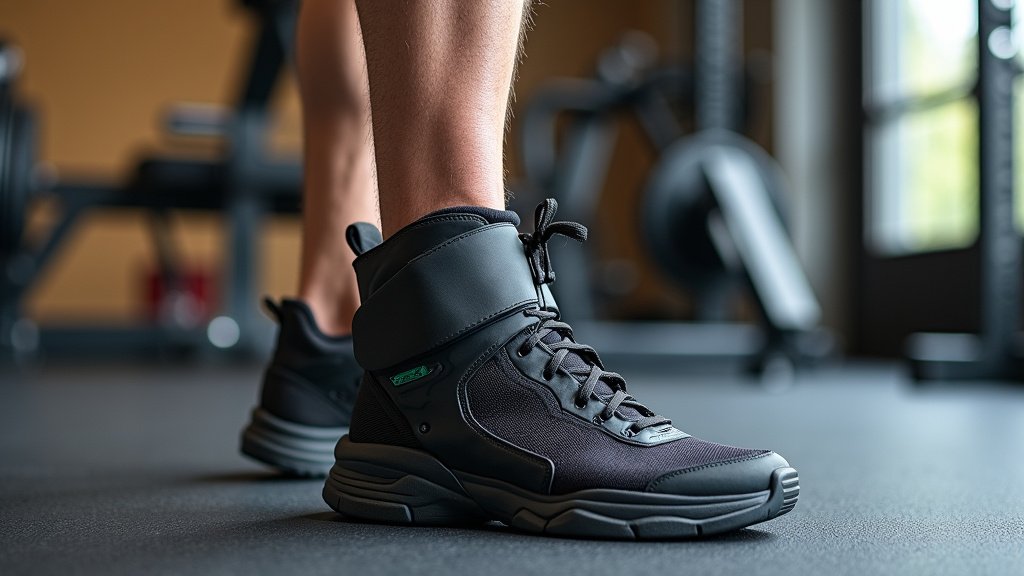
An ankle cuff attachment is essentially a strap that wraps around your ankle. It has a D-ring or loop. This D-ring connects to the cable of a gym machine or a resistance band. Think of it like a specialized handle for your feet. It lets you target specific lower body muscles with added resistance. Many people find it a simple yet effective tool for building leg and glute strength.
What Makes an Ankle Cuff Attachment Work?
The magic is in how it distributes resistance. Instead of holding a weight or handle with your hands, you’re using your legs and glutes to pull or push against the resistance. This allows for isolation of certain muscle groups. For example, when you do a leg extension, the cuff pulls your leg back, and your quad muscles work to extend it forward. It’s a direct line of tension.
The Science Behind the Strap
When you attach a cuff to a cable machine, the weight stack provides the resistance. When you attach it to a resistance band, the band’s tension is your resistance. The cuff ensures that this resistance is applied directly to your ankle. This means the muscles around your hip and knee have to work harder. We found that this focused resistance can lead to quicker gains in strength and muscle definition.
Comfort and Security Features
Most ankle cuffs are made with padded materials. This keeps them comfortable against your skin, even during intense workouts. They often have adjustable straps, so you can get a snug fit. This is important. A secure fit prevents slipping and ensures the resistance is applied correctly. It also makes the exercise feel more controlled. You don’t want to be distracted by a loose cuff during a challenging set.
Why Use an Ankle Cuff Attachment?
The primary reason people use ankle cuffs is for targeted lower body training. They excel at exercises that isolate your hamstrings, quadriceps, glutes, and hip abductors/adductors. This kind of focused work is difficult to achieve with traditional free weights or even some other cable attachments. You get a direct line of pull. Ankle cuffs are particularly useful for hip abduction exercises, which target the muscles on the outside of your thighs.
Enhanced Muscle Activation
Research suggests that using ankle cuffs can increase the activation of specific muscles. For instance, when performing hamstring curls with a cuff, you might feel a more intense contraction in your hamstrings compared to using a standard ankle strap on a machine. This greater muscle engagement is key for building strength and shaping muscles. Many fitness professionals recommend them for this reason.
Variety of Exercises
The versatility of an ankle cuff is a big draw. You’re not limited to just one or two movements. You can perform a wide array of exercises. This keeps your workouts fresh and ensures you’re working your lower body from multiple angles. It’s like adding a new dimension to your leg day. You can challenge your muscles in ways you might not have thought of before.
Portability and Convenience
Unlike bulky gym equipment, ankle cuffs are lightweight and portable. You can easily pack them in your gym bag. This means you can get a great lower body workout at home, at the gym, or even while traveling. If you rely on resistance bands, they are a perfect companion. You can take your entire workout setup with you anywhere. Ankle cuffs are lightweight and portable, making them a great addition to a foldable functional trainer setup.
Common Exercises You Can Do With Ankle Cuffs
Ankle cuffs open up a world of lower body exercises. They are especially popular for targeting the muscles in your legs and glutes. Here are some of the most common and effective movements you can incorporate into your routine.
Glute Kickbacks
This is a go-to exercise for glute development. You’ll attach the cuff to a low cable pulley. Then, stand facing the machine, holding onto it for balance. Keeping your leg mostly straight, kick your foot backward and slightly upward, squeezing your glutes at the top. Control the movement as you return to the start. It’s a great way to isolate the gluteus maximus.
Hamstring Curls (Standing or Lying)
Hamstring curls are essential for balanced leg development. You can do these standing, facing away from a low cable pulley, or lying on your stomach on a bench with the cuff attached. Curl your heel towards your glutes, focusing on the contraction in your hamstrings. Make sure to keep your hips stable. This targets the hamstrings effectively.
Leg Extensions
While many machines have built-in leg extension attachments, using a cuff with a low cable can offer a different angle of resistance. Attach the cuff to your ankle, then sit on a bench with the cable anchor point in front of you. Extend your leg forward, straightening your knee. Your quadriceps will do the work here. It’s good for quadricep isolation.
Hip Abduction and Adduction
These movements target the muscles on the outside and inside of your thighs, respectively. For abduction (moving leg away from the body), you’ll stand facing away from a low cable pulley. Keeping your leg straight, move it out to the side. For adduction (moving leg towards the body), you’d typically do this on a specialized machine or use a resistance band anchored to the floor on one side, pulling your leg across your body. Ankle cuffs make these crucial hip movements easier to perform with added resistance.
Walking Exercises
You can also use ankle cuffs for dynamic movements. Try side-walking or monster walks by attaching the cuff to a resistance band. This engages your glutes and hip abductors as you move. It’s a fantastic way to improve hip stability and work smaller stabilizing muscles.
Choosing the Right Ankle Cuff Attachment
With so many options available, picking the right ankle cuff can seem tricky. However, focusing on a few key features will help you find one that suits your needs and budget. We found that durability and comfort are often the most important factors.
Material and Padding
Look for cuffs made from durable materials like nylon or neoprene. Good padding is essential to prevent chafing and discomfort. A thicker, softer padding will make longer workouts much more pleasant. Some people find that cuffs with a fleece lining are particularly comfortable. Ensure the padding covers a good portion of the strap that contacts your skin.
Strap Design and Closure
The closure system is crucial for a secure fit. Most cuffs use Velcro straps, but the quality can vary. Look for strong Velcro that won’t loosen during your workout. Some high-end cuffs might feature buckles or double D-rings for extra security. Adjustable straps are a must, allowing you to customize the fit for different exercises or if you’re using them on different body parts.
D-Ring or Loop Strength
The D-ring or loop where you attach your cable or band needs to be strong. It should be made of metal, like steel, and securely attached to the cuff. Check reviews to see if others have had issues with the ring breaking or detaching. A reinforced attachment point is a sign of a quality product.
Compatibility
Most ankle cuffs are designed to be universal. They work with standard cable machines found in gyms. They also work with most resistance bands that have carabiners or loops. If you plan to use them with a specific type of equipment, it might be worth double-checking the attachment mechanism. But in general, they are highly compatible with common fitness gear.
Tips for Using Your Ankle Cuff Attachment Safely and Effectively
Using ankle cuffs is straightforward, but a few tips can help you maximize your results and stay injury-free. It’s all about proper form and listening to your body.
- Start Light: Always begin with a lighter weight or band than you think you need. Focus on mastering the form first.
- Control the Movement: Avoid jerky motions. Perform each exercise with a slow, controlled tempo, both during the lifting and lowering phases.
- Engage Your Core: Keep your abdominal muscles tight throughout most exercises. This provides stability and protects your lower back.
- Breathe Properly: Exhale during the exertion phase (when you’re lifting or pushing) and inhale during the return phase.
- Listen to Your Body: If you feel any sharp pain, stop the exercise immediately. Adjust the weight or your form.
- Warm-Up Adequately: Always perform a dynamic warm-up before using ankle cuffs, especially focusing on hip and knee mobility.
Conclusion
You’ve learned that an ankle cuff attachment is a simple yet powerful tool for your lower body workouts. It efficiently targets muscles like your quads, hamstrings, and glutes. The ability to add resistance with both cable machines and bands makes it incredibly versatile. By focusing on comfort and security, you can ensure a safe and effective training session. Ready to feel the difference? Start incorporating these exercises into your routine to build strength and tone your lower body more effectively than ever before.
Frequently Asked Questions
Can I use an ankle cuff attachment with any resistance band?
Generally, yes. Most ankle cuffs are designed with a D-ring or loop that easily attaches to standard resistance bands. For the best results and safety, ensure your band has a secure point like a carabiner or loop to connect to. This connection should feel solid and reliable for your workout.
Are ankle cuff attachments comfortable for long workouts?
Most high-quality ankle cuffs are designed with comfort in mind. They typically feature padding made from materials like neoprene or fleece to prevent chafing. Adjustable straps also help ensure a snug, comfortable fit. If you experience discomfort, check that the cuff is positioned correctly and the padding is adequate.
How do I know if my ankle cuff is secure enough?
A secure ankle cuff won’t slip or shift during exercise. Look for strong Velcro straps that hold firmly. The D-ring or loop should be robust and securely attached to the cuff material. You should feel confident that the cuff will stay in place, allowing you to focus on your movement and muscle engagement without worry.
Can ankle cuff attachments help with injury rehabilitation?
Ankle cuffs can be useful in rehabilitation, but always under the guidance of a physical therapist or healthcare professional. They allow for controlled, targeted movements that can help rebuild strength in a specific area. Starting with very light resistance and focusing on proper form is essential during recovery.
What’s the difference between an ankle cuff and a standard ankle strap?
While both attach to your ankle, an ankle cuff typically offers a more robust and comfortable design, often with thicker padding and a more secure closure. They are generally built to handle higher resistance levels and provide a better user experience. A standard ankle strap might be thinner and less padded, suitable for lighter use.