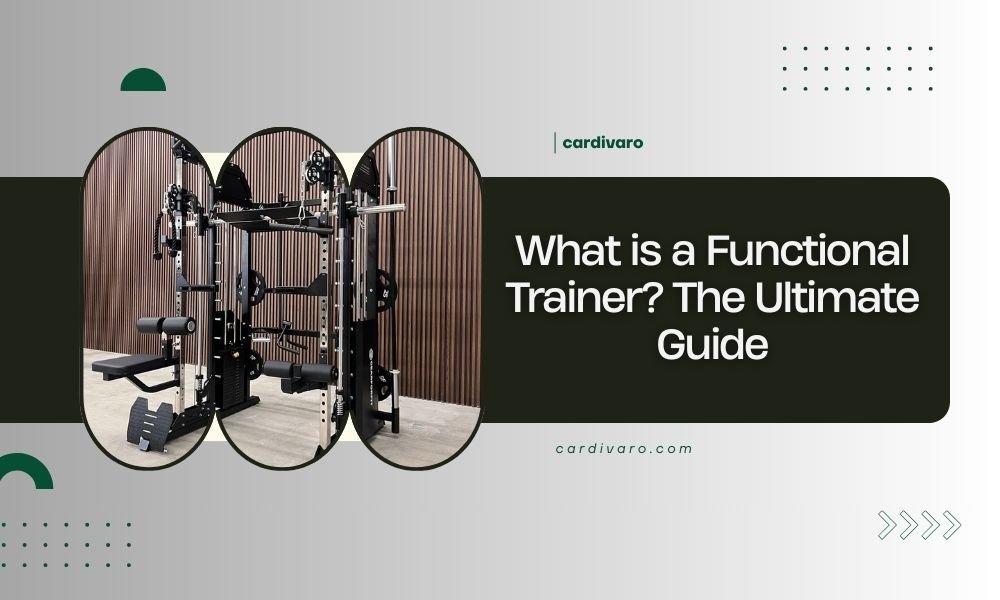
A functional trainer is a cable-based exercise machine that uses adjustable pulleys and weight stacks to create resistance for full-body workouts. This versatile equipment allows you to perform hundreds of exercises that mimic real-world movements and daily activities.
Unlike traditional weight machines that isolate single muscles, functional trainers engage multiple muscle groups simultaneously while improving your balance, coordination, and core stability.
How Does a Functional Trainer Work?
Think of a functional trainer as your personal gym assistant. It uses two independent weight stacks connected to adjustable cable columns. You can move the pulleys up, down, or to different positions on each side.
The cables provide smooth, consistent resistance throughout your entire range of motion. This means your muscles work harder during both the lifting and lowering phases of each exercise.
The Cable System Explained
Most functional trainers use a 2:1 or 1:1 pulley ratio. With a 2:1 ratio, you’ll lift half the weight stack’s actual weight. This might sound confusing, but it actually gives you more control and smoother movement.
The cables can rotate 360 degrees around the pulleys. This freedom lets you move in any direction your body naturally wants to go.
Key Components of a Functional Trainer
Weight Stacks
Most home models come with weight stacks ranging from 150 to 200 pounds per side. Commercial units often go up to 300 pounds per stack.
The weight increments are usually 10 or 20 pounds. Some machines offer 5-pound increments for more precise resistance adjustments.
Adjustable Pulleys
The pulleys slide up and down the columns with quick-release pins or handles. You can typically adjust them to about 20 different height positions.
This adjustability is what makes the machine so versatile. High pulleys work great for lat pulldowns. Low pulleys are perfect for rows and lower body exercises.
Cable Attachments
Your functional trainer comes with various handles and attachments. Common ones include straight bars, curved bars, single handles, ankle straps, and rope attachments.
Each attachment targets muscles differently and adds variety to your workouts.
Types of Functional Trainers
Dual-Stack Trainers
These are the most common type. They have two separate weight stacks with independent cable systems. You can work both arms at different resistance levels or combine both cables for heavier exercises.
Best for Home Gyms
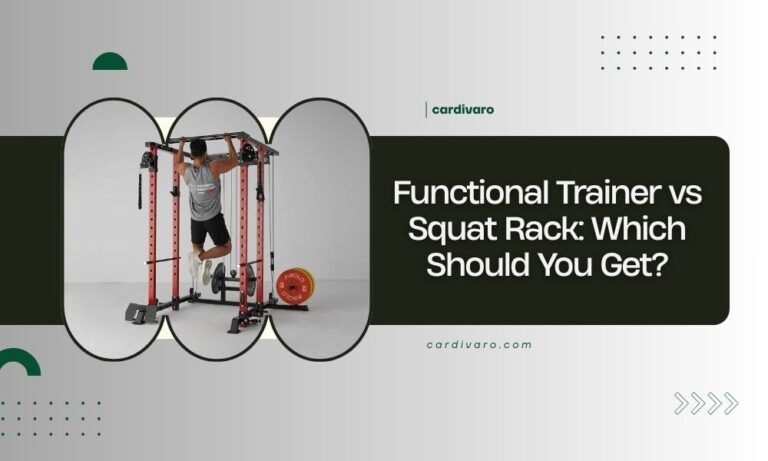
Dual-stack models give you the most exercise options. They take up about 8 feet by 4 feet of floor space.
Single-Stack Trainers
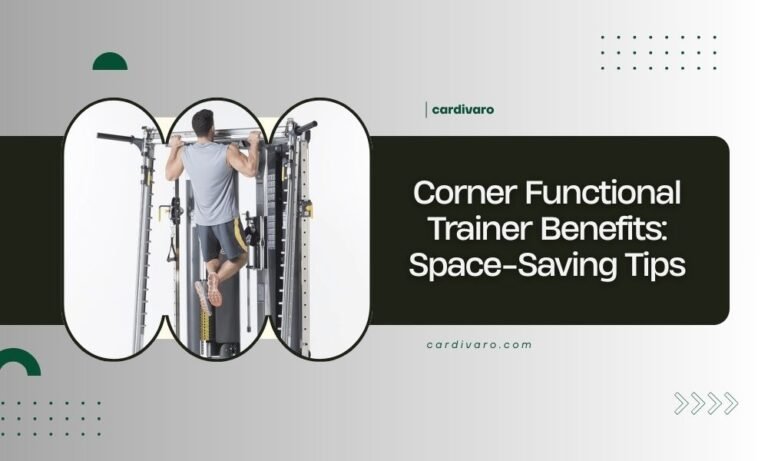
These use one weight stack with a cable that splits to two pulleys. They’re more compact but limit some exercise possibilities.
Space-Saving Option
If you’re tight on space, single-stack trainers work well. They’re usually 2-3 feet narrower than dual-stack models.
Multi-Station Trainers
These combine a functional trainer with other equipment like a power rack, lat pulldown, or smith machine. They’re like having an entire gym in one unit.
Benefits of Using a Functional Trainer
Mimics Real-Life Movements
Your daily activities involve multiple joints and muscles working together. Functional trainers train these movement patterns instead of isolating individual muscles.
This approach improves your performance in sports and everyday tasks like lifting groceries or playing with your kids.
Builds Core Strength
Since the cables create resistance from different angles, your core muscles constantly work to stabilize your body. This happens automatically during most exercises.
Research from the American Council on Exercise shows that cable exercises activate core muscles 20-30% more than similar machine exercises.
Joint-Friendly Workouts
The smooth cable resistance puts less stress on your joints compared to free weights. The weight doesn’t rely on gravity alone, so there’s consistent tension without jarring movements.
Great for Injury Recovery
Physical therapists often use cable exercises because they allow controlled, pain-free movement patterns during rehabilitation.
Popular Exercises You Can Do
Upper Body Exercises
- Chest press and flyes
- Lat pulldowns and rows
- Shoulder presses and lateral raises
- Bicep curls and tricep extensions
- Wood chops for core rotation
Lower Body Exercises
- Cable squats and lunges
- Leg curls and extensions
- Hip abduction and adduction
- Calf raises
- Glute kickbacks
Full-Body Movements
You can create compound exercises that work your entire body. Examples include squat-to-press combinations, rotating lunges, and functional lifting patterns.
Who Should Use a Functional Trainer?
Beginners
The guided resistance helps you learn proper movement patterns safely. You’re less likely to drop weights or use poor form compared to free weights.
Athletes
Sports require multi-directional movements and power. Functional trainers let you train sport-specific movement patterns with resistance.
Older Adults
The smooth resistance and seated exercise options make functional trainers ideal for maintaining strength and mobility as you age.
Functional Trainer vs Other Equipment
| Equipment | Versatility | Space Needed | Learning Curve |
|---|---|---|---|
| Functional Trainer | Very High | Medium | Low |
| Free Weights | High | Medium | High |
| Weight Machines | Low | High | Very Low |
| Resistance Bands | Medium | Very Low | Medium |
What to Look for When Buying
Weight Stack Size
Consider your current strength level and future goals. Most people find 150-200 pounds per stack sufficient for home use.
Build Quality
Look for heavy-duty steel construction and smooth cable operation. Commercial-grade units last longer but cost more.
Warranty Considerations
A good warranty shows the manufacturer’s confidence in their product. Look for at least 2-3 years on parts and labor.
Available Space
Measure your space carefully. Don’t forget about clearance around the machine for full range of motion during exercises.
Conclusion
A functional trainer gives you gym-quality workouts at home while training your body for real-world activities. The cable-based system provides smooth resistance and endless exercise variety for all fitness levels.
Whether you’re a beginner looking for safe strength training or an athlete wanting sport-specific conditioning, a functional trainer adapts to your needs. The investment pays off through years of versatile, effective workouts that keep your entire body strong and functional.
Can you build muscle effectively with a functional trainer?
Yes, you can build significant muscle mass using a functional trainer. The constant tension from cables and ability to adjust resistance makes it excellent for muscle growth. Many bodybuilders use cable exercises as staples in their routines.
How much space do you need for a functional trainer?
Most functional trainers need about 8 feet by 8 feet of space, including clearance for movement. The machine itself is typically 4 feet wide and 7 feet tall, but you need extra room to perform exercises safely.
Are functional trainers suitable for small apartments?
Compact single-stack models or wall-mounted units work well in small spaces. Some fold against the wall when not in use. Measure your space and consider ceiling height before purchasing.
How often should you service a functional trainer?
Basic maintenance includes weekly cleaning and monthly cable inspection. Professional servicing every 6-12 months keeps the machine running smoothly and extends its lifespan, especially with heavy use.
Can children safely use functional trainers?
Teens can use functional trainers under proper supervision, but they’re not recommended for young children. The adjustable resistance and guided movements make them safer than free weights for adolescent strength training.